
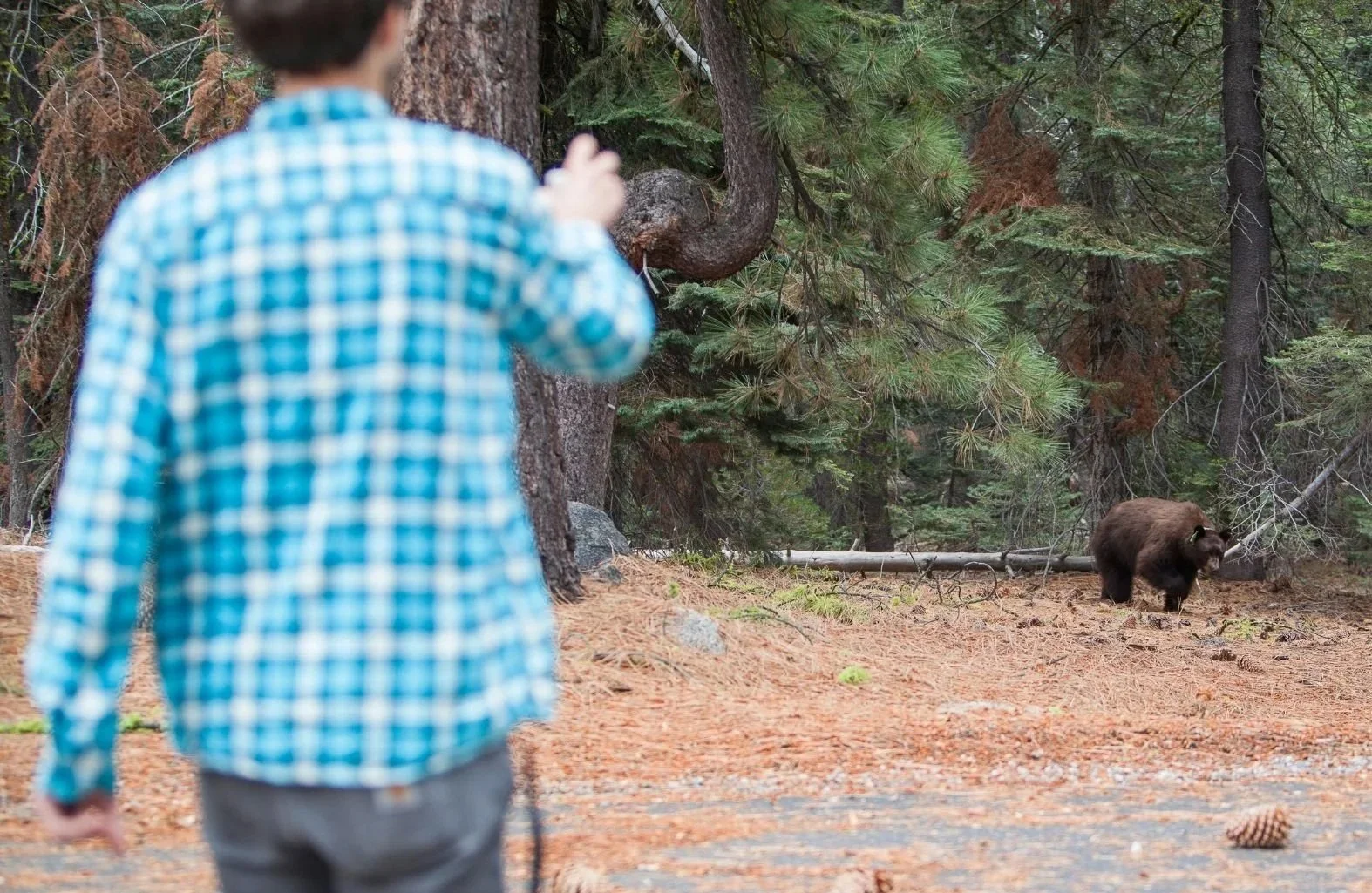
Bear Detection
AI that sees the bear before your guests do — and gets the warning out before the encounter happens.

In bear country, the first person to spot the bear is usually the person closest to it. Bear Detection makes sure it's a camera instead — with a warning out before the encounter happens.
What It Does
Bear Detection recognizes when a bear appears in a monitored area in real time, giving you early warning of a danger that doesn’t allow second chances. It’s built for mountain trails, campsites, farmland, resorts and neighborhoods that border forests, places where a bear sighting is only useful if it reaches the people who need to move, fast. With real-time detection, residents and visitors can be warned or an area cleared before an encounter happens, not after one is reported.
Precision is the point. Detection is limited to bears, so deer, dogs and other everyday wildlife don’t trigger alerts, and a filtering process keeps alarms reliable in the low light and busy natural backgrounds common at outdoor sites. When this alert goes off, it means a bear, so everyone who gets it can act without hesitating.
Who Uses It
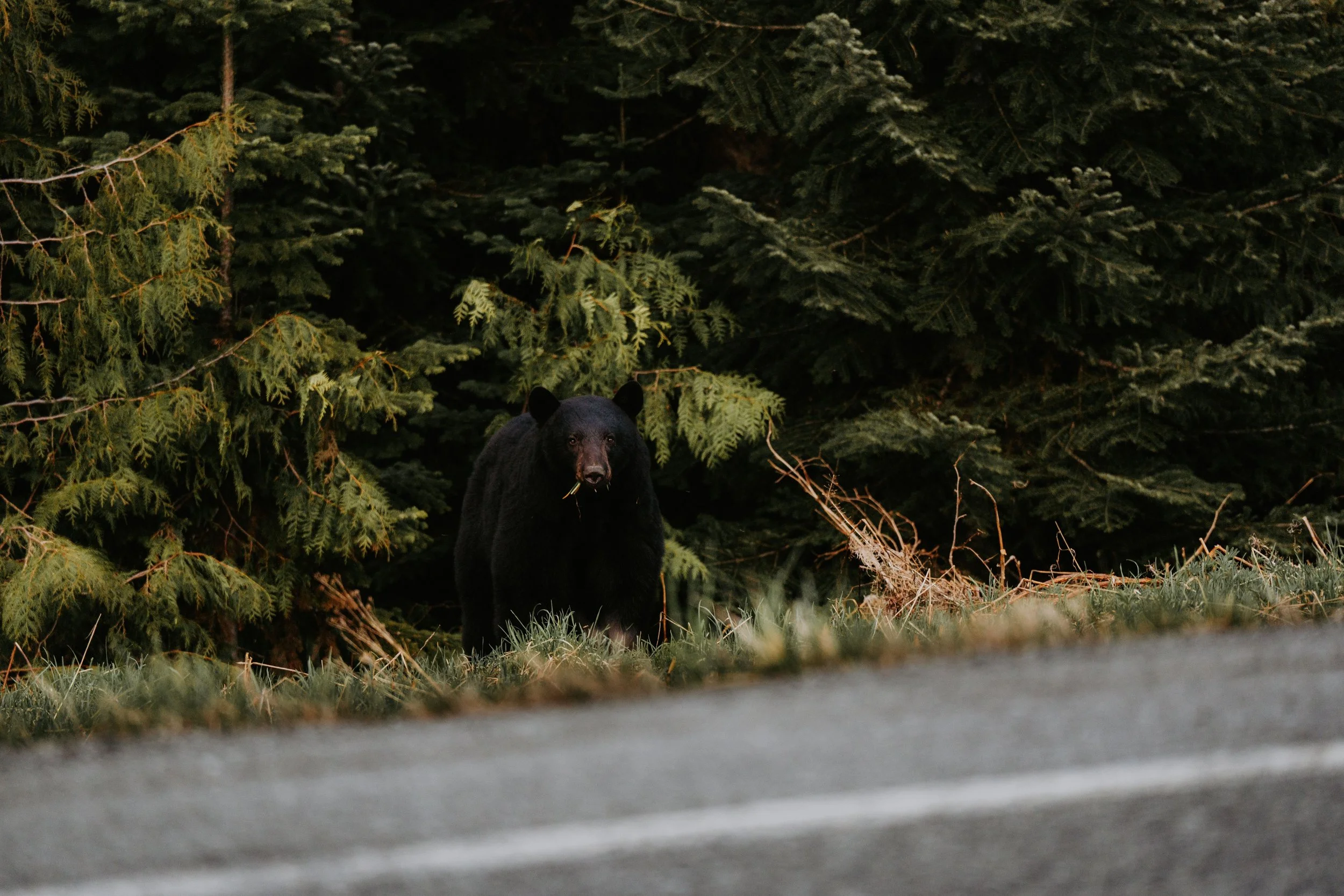
Rangers Shouldn't Hear About a Bear After the Encounter.
Trailheads, campgrounds and picnic areas in bear country usually depend on visitors reporting sightings after the fact. DICE real-time detection changes that.
- Lets rangers close a trail or clear a campground before a bear and the public cross paths
- Covers trailheads, campgrounds and picnic areas
- The response is based on a verified sighting, not a secondhand report
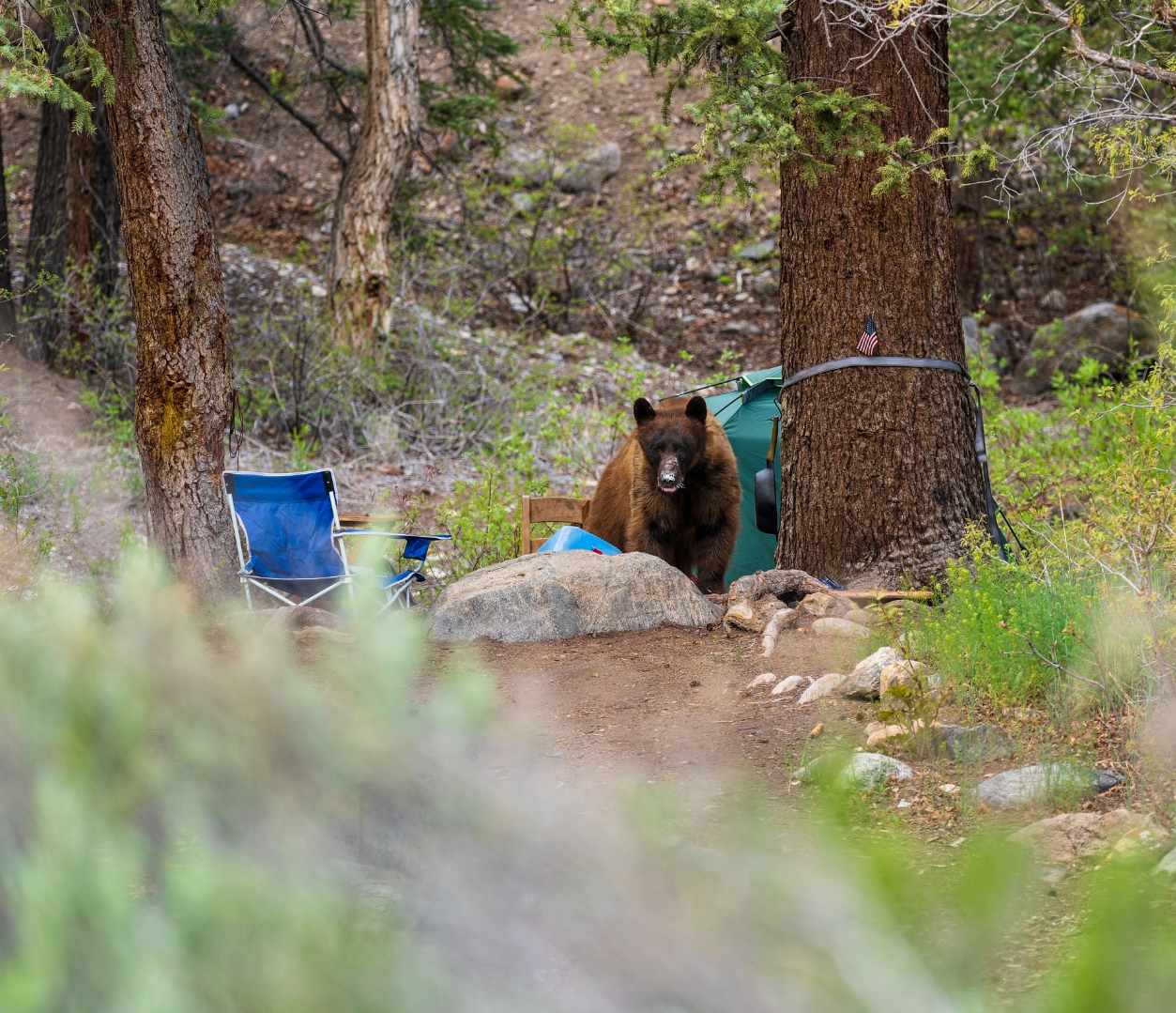
A Bear at the Dumpsters During Business Hours Is an Incident Waiting for a Guest.
DICE detection gives staff time to secure anything that attracts bears and calmly move guests away, before someone turns a corner and comes face to face with one.
- Covers dumpster areas, base areas and resort grounds
- Early alerts allow calm guest management instead of a last-minute scramble
- Reduces liability from wildlife encounters during business hours
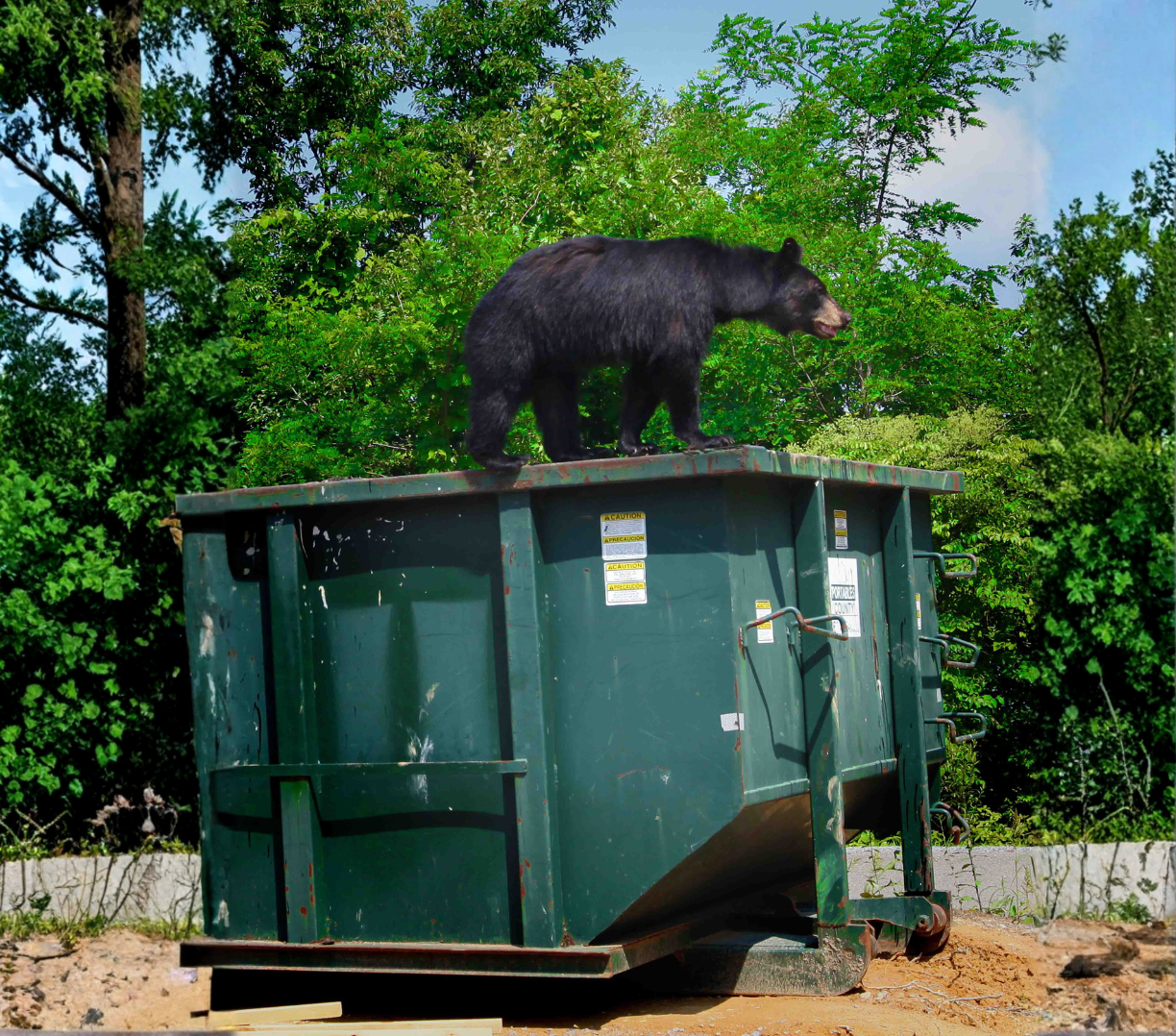
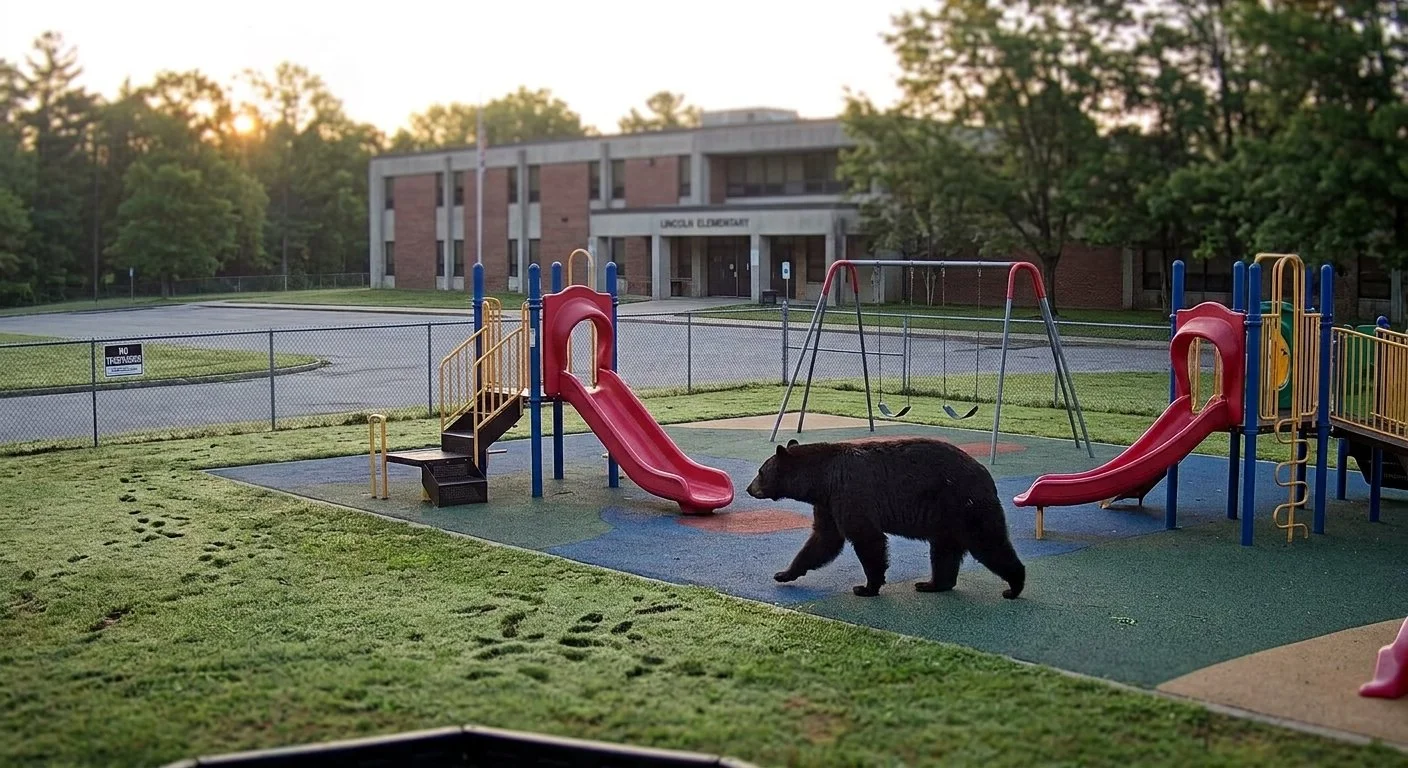
The Office Should Know Before the First Student Does.
A bear on school grounds calls for hold-in-place decisions that depend entirely on when you find out. DICE automated detection gives administrators verified information in time to act.
- Covers playgrounds, fields, parking lots and campus perimeters
- Automated alerts reach the office before any student comes across the bear
- A verified sighting supports hold-in-place decisions with confidence
Verified Warnings Instead of Rumors and Blurry Doorbell Clips.
Neighborhoods that border forests see bears in yards, on porches and around trash collection areas. Community cameras with DICE Bear Detection give residents information they can actually act on.
- Covers yards, porches, alleys and trash collection areas
- Verified alerts replace secondhand sightings and social media rumors
- Community-wide notifications from one monitored camera network

Surprising a Bear at Close Range Is How People Get Hurt.
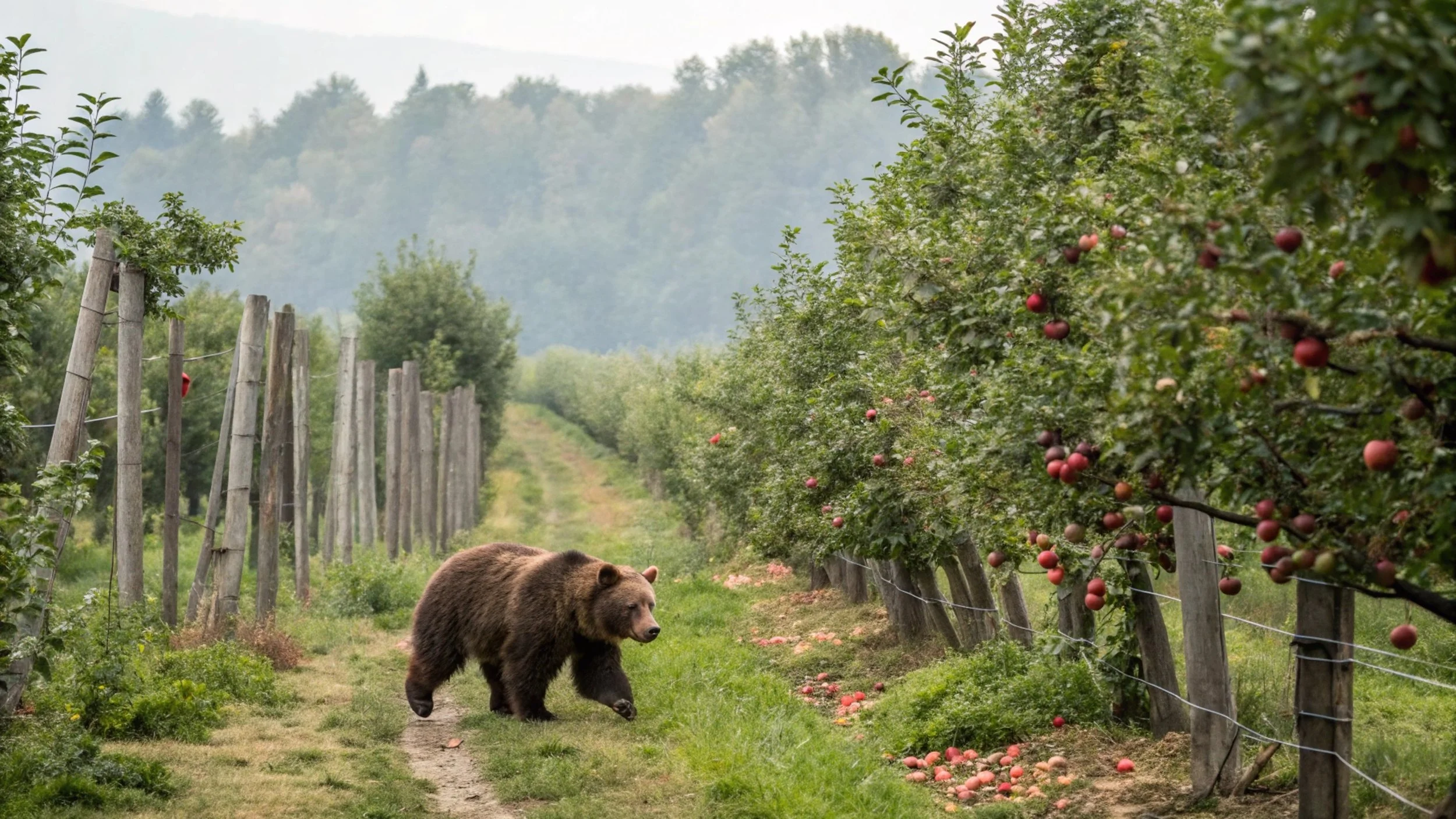
Bears raid orchards, beehives and feed storage, usually overnight. DICE alerts let crews avoid the area and respond carefully, instead of walking into an encounter at first light.
- Covers orchards, beehives, feed storage and field perimeters
- Overnight alerts mean crews know before they head out in the morning
- Audio deterrents over on-site speakers can move bears along without sending anyone out
How It Works
Detection
A bear is detected and the event streams to DICE's 24/7 live monitoring operators.
Verify
Operators confirm the sighting on live video and identify the location.
Notify Staff
Your staff, rangers, or community contacts are notified with the bear's location.
Audio
Audio is issued over on-site speakers where available — warning people in the area and encouraging the animal to move on.
Dispatch If Needed
When a bear poses an immediate threat to people, operators escalate to wildlife officers or emergency dispatch, including direct digital 911 delivery. Minutes of warning are what turn a bear sighting into a non-event.

FAQs
-
No. Detection targets are limited specifically to bears, so ordinary wildlife and domestic animals don't raise events. That specificity is what lets recipients act on every alert immediately, without second-guessing.
-
Yes. A filtering process is applied to keep alarms reliable under the low light and cluttered natural backgrounds typical of outdoor installations — exactly the conditions in which bears move most.
-
A DICE operator verifies the sighting on live video within seconds, then notifies your designated contacts with the camera location, uses on-site audio where available, and escalates to wildlife authorities or 911 when there's immediate danger to people. You get a verified warning, not just a camera event.