

Bullying Detection
AI That Sees What Staff Can't — In Every Hallway, Stairwell, and Corner of the Yard.

Most bullying is never reported — and when it is, it's long over. Bullying Detection recognizes two or more people surrounding and harassing an individual, in real time, so an adult can intervene while it's happening.
What It Does
DICE Bullying Detection analyzes how multiple people interact to recognize the signs of group harassment: two or more people surrounding, cornering and harassing one person. It’s built for schools, dormitories and public facilities, where incidents are usually reported long after they happen, if they’re reported at all, and where stepping in depends entirely on someone noticing at the time. DICE makes sure someone notices.
The detection is tuned for busy spaces. Sensitivity and the minimum number of people involved can be set for each zone, and a filtering process makes sure ordinary gatherings, like friends talking or students waiting in line, don’t trigger alerts. Only sustained incidents that match the pattern of harassment set off an alert.

Who Uses It
Bullying Happens Where Adults Aren't Watching.
Hallways, stairwells, locker areas and schoolyard corners are exactly where bullying happens, and exactly where staff can't always be. DICE keeps watch over those spaces.
- Real-time detection turns blind spots into places where help arrives in minutes
- Gives administrators objective video of what actually happened
- A live DICE operator verifies every alert before staff are notified

Hazing and Group Harassment Carry Real Liability. Early Awareness Changes the Outcome.
Group harassment in residence halls and common areas creates Title IX exposure and institutional risk. DICE provides early awareness in the spaces where resident assistants can't always be.
- Covers residence halls, common areas and shared spaces
- Flags group harassment before it escalates
- Supports Title IX documentation with objective event video
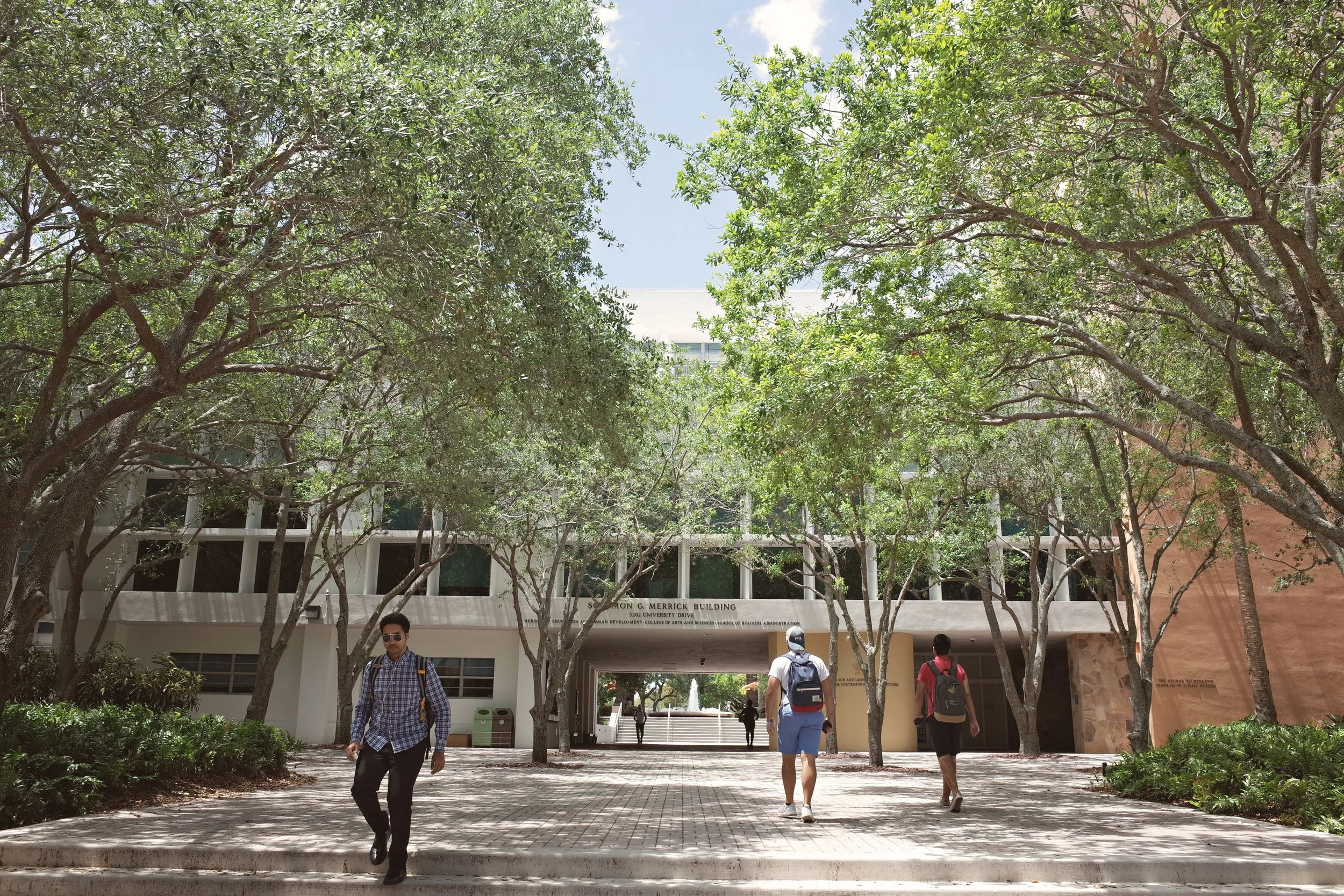
A Group Closing In on One Person Is a Warning Sign of Assault.
In dayrooms and yards, group harassment is often the first warning sign of violence. DICE recognizes it early, giving officers a verified warning before it turns physical.
- Covers dayrooms, yards and common housing areas
- Detects a group closing in on one person before an assault happens
- A verified alert reaches officers while there's still time to step in

Group Harassment Drives People Away From the Spaces Built to Serve Them.
Parks, recreation centers, transit stops and libraries lose their purpose when harassment goes unchecked. DICE lets staff and responders deal with incidents as they form, not after.
- Covers parks, recreation centers, transit stops and libraries
- Detects harassment in open public spaces
- Makes it possible to respond while the incident is still developing
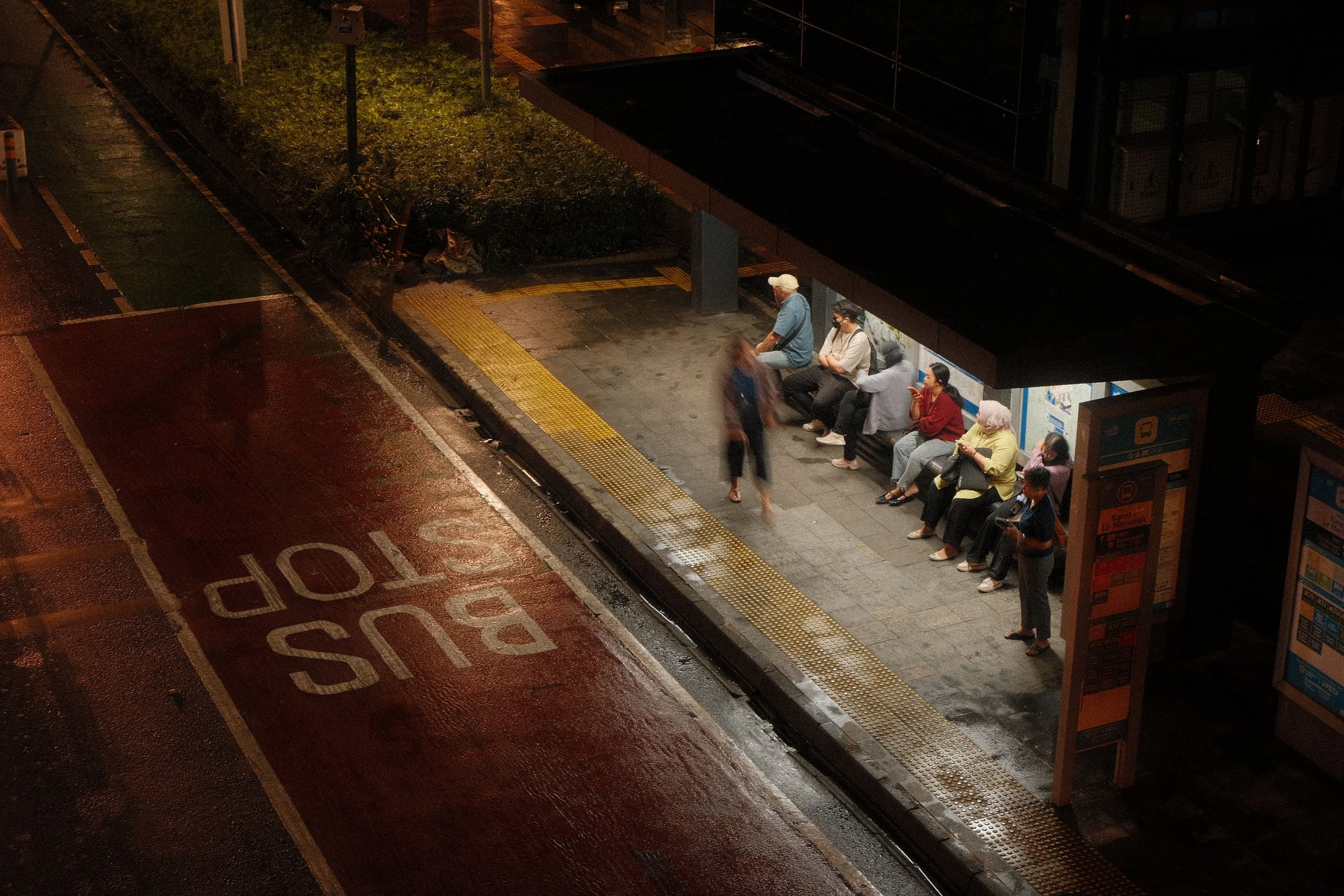
Show Active Supervision, Even When Staff Are Stretched Thin.
Programs responsible for kids can back up their supervision promise with DICE monitored detection, covering common areas even when staff can't be in two places at once.
- Covers common areas, recreation spaces and gathering areas
- Shows parents and regulators that supervision is active
- Live monitoring makes sure no incident goes unaddressed

How It Works
Detection
A bullying pattern is detected and the event streams immediately to DICE's 24/7 live monitoring operators.
Assess and Notify
Operators assess the situation on live video and notify school staff or facility security — getting an adult physically on scene fast.
Voice-Down
A live audio voice-down is issued over on-site speakers where appropriate — often enough to disperse the group on its own.
Dispatch
If the situation is turning violent, operators escalate to dispatch, including direct digital 911 delivery. The incident gets a response while it's still an incident, not a report.

FAQs
-
No. The detection looks for the specific pattern of two or more people surrounding and harassing an individual, with a filtering process so ordinary gatherings don't raise events. Sensitivity and the minimum number of participants are configured per zone, and a live operator verifies every alert before anyone is notified.
-
No. Detection is based on the behavior pattern in the scene, not on identity. It alerts staff that an incident is occurring and where — the response and any follow-up remain with your administrators, supported by the event video.
-
Yes. Every detected event is timestamped and paired with the video footage reviewed by the live operator. That record — time, location, and verified video — gives administrators and legal teams objective documentation of what occurred, not just a student's account of it.