
Dynamic Privacy Masking
Full-body bystander redaction, applied automatically — so every clip is shareable the moment it exists, with no manual redaction step.

One person triggered the alert. Everyone else in the frame is just living their life. Dynamic Privacy Masking keeps it that way — automatically, on every clip.
What It Does
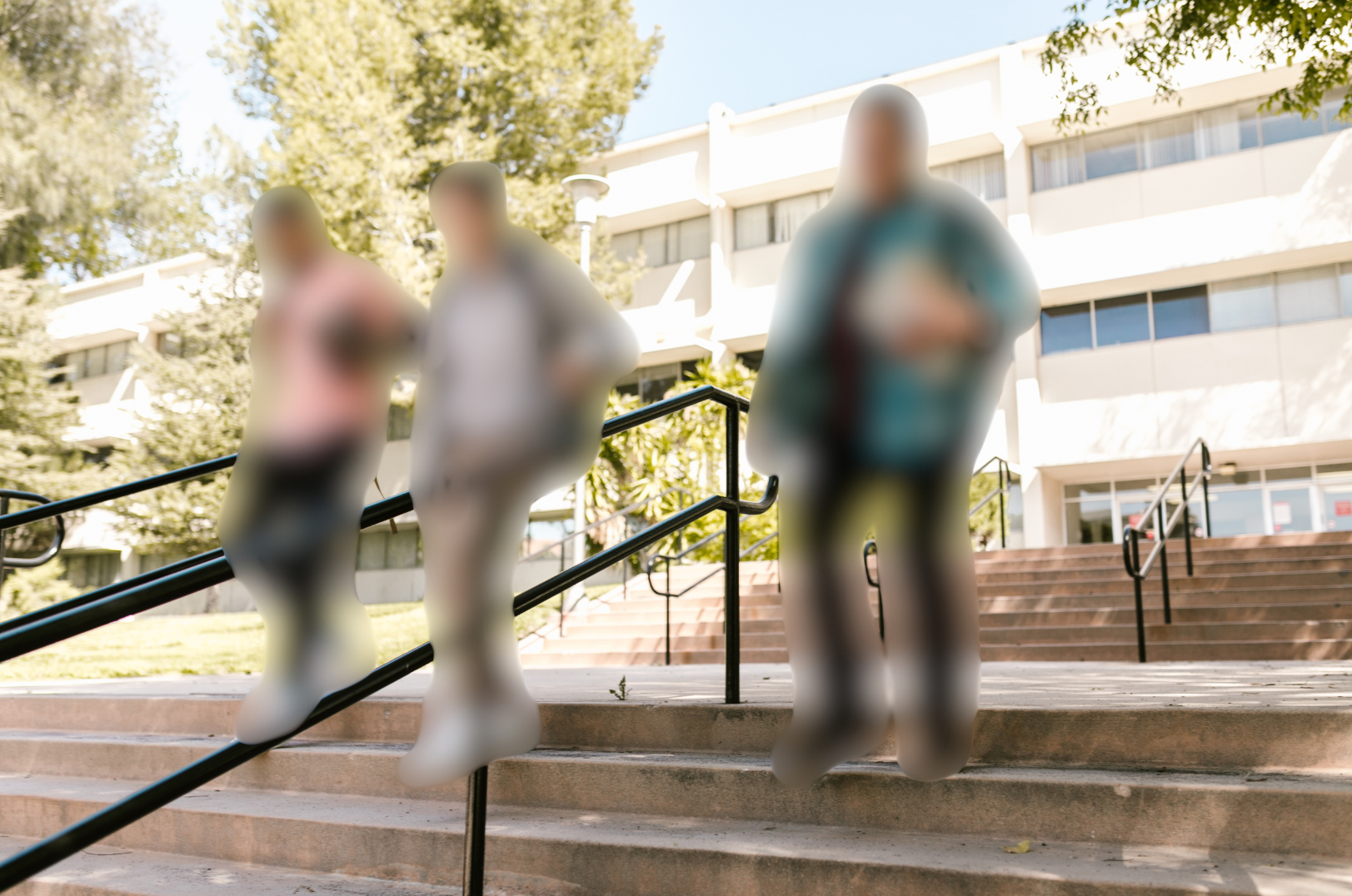
Dynamic Privacy Masking analyzes the scene, locates every person in it, and masks everyone except the person for whom the event was detected. Unlike face-only approaches, it obscures the whole body — the right choice where clothing, posture, or context could identify a bystander even with the face hidden. A distinctive jacket, a uniform, a wheelchair, a familiar gait: full-body masking removes all of it from view while the subject of the incident remains fully visible for assessment and response.
Masking is applied dynamically as people move through the frame, tracking each person continuously rather than blurring fixed regions. That means footage of an incident can be reviewed and shared the moment it exists — with police, insurers, property managers, or compliance teams — without a separate redaction pass, without redaction software, and without the risk that a frame slips through with a bystander exposed. The privacy protection is built into the video itself, not bolted on afterward.

Who Uses It
Keep the Incident Actionable. Keep the Patients Anonymous.
A fight in an emergency department waiting room or a theft in a hospital hallway happens surrounded by patients. Sharing that clip with police or risk management usually means exposing people in a medical setting. DICE privacy masking changes that.
- Full-body masking protects patient identities in exported footage
- Clips can be shared with police and risk management right away
- Helps support HIPAA-aligned footage handling without a manual redaction step

Hand the Clip to Police Without Turning Every Tenant Into Evidence.
A package thief walks past a dozen residents in the lobby. With DICE, property managers can share footage with police or ownership without exposing every tenant who happened to walk by.
- Residents in the background are masked, so only the subject is visible
- Clips can be shared with police and ownership without extra redaction
- Protects tenant privacy and reduces liability for property managers

One Incident Shouldn't Put Fifty Other Students on Record.
Full-body masking matters here, because uniforms, backpacks and body type can identify a student even when their face is blurred. When an incident involves one student, reviewing the footage shouldn't expose everyone else.
- Full-body masking, not just face blurring, protects students' identities
- Footage can be shared with administrators and police without extra redaction
- Helps support FERPA-aligned incident documentation

Answer Records Requests Without a Manual Redaction Project.
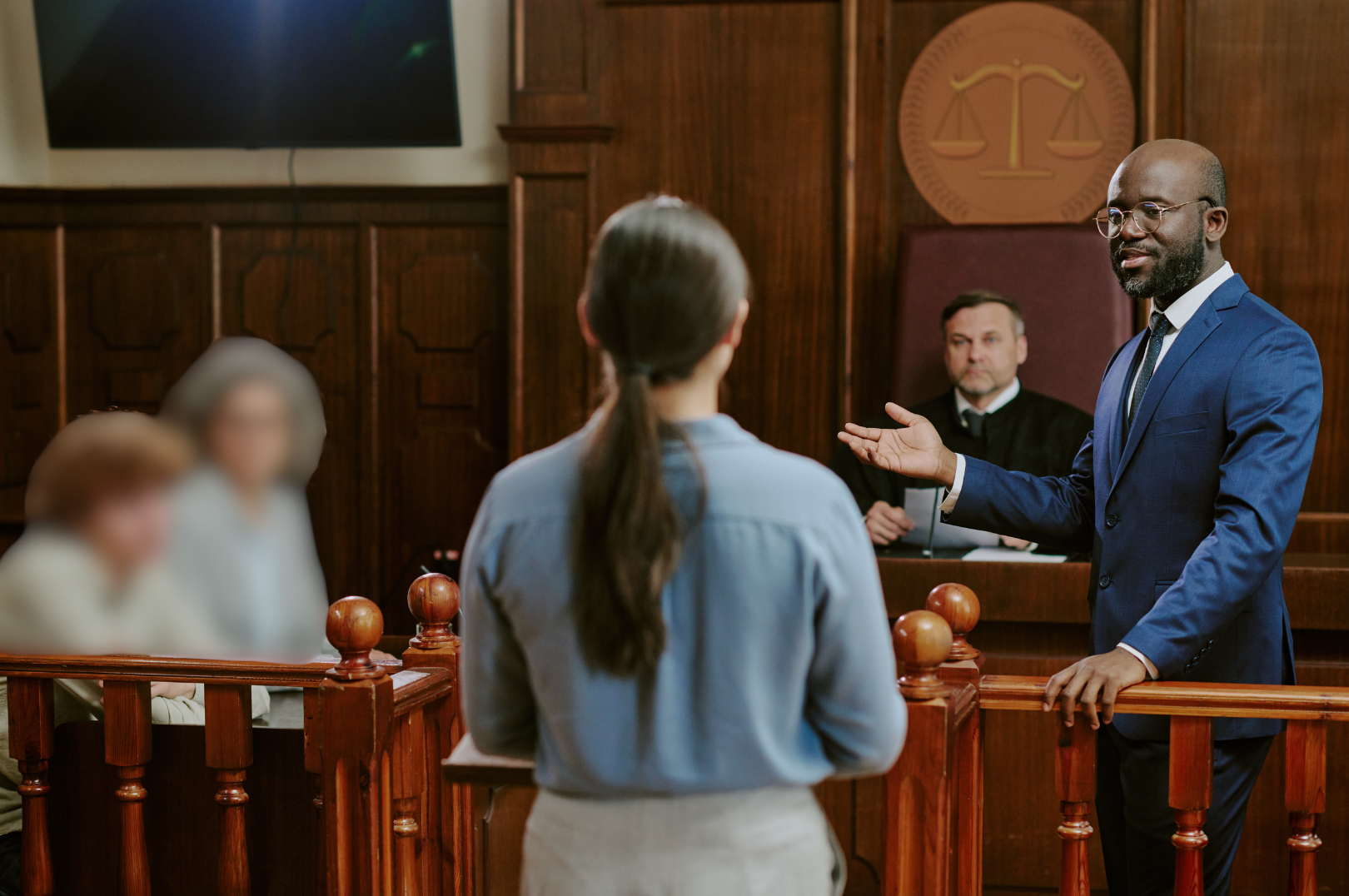
Agencies that receive public records requests can provide incident footage without starting a redaction process, because the bystanders in a courthouse lobby or transit hall are already hidden.
- Footage is ready for records requests as soon as it's captured
- Covers courthouse lobbies, transit halls and other public agency buildings
- Eliminates redaction time on every request, and the risk of missed frames
Footage That Leaves the System Includes Only What the Incident Requires.
Organizations following GDPR-style privacy principles can show that any footage leaving the system contains no more personal information than the incident requires, because it's masked from the start instead of redacted later.
- Helps support privacy-by-design principles under GDPR and similar regulations
- Bystanders are masked from the start, not edited out afterward
- Shows you're keeping personal data to a minimum without redacting every clip by hand

Loss Prevention Clips Get Shared. Make Sure Only the Subject Is in Them.
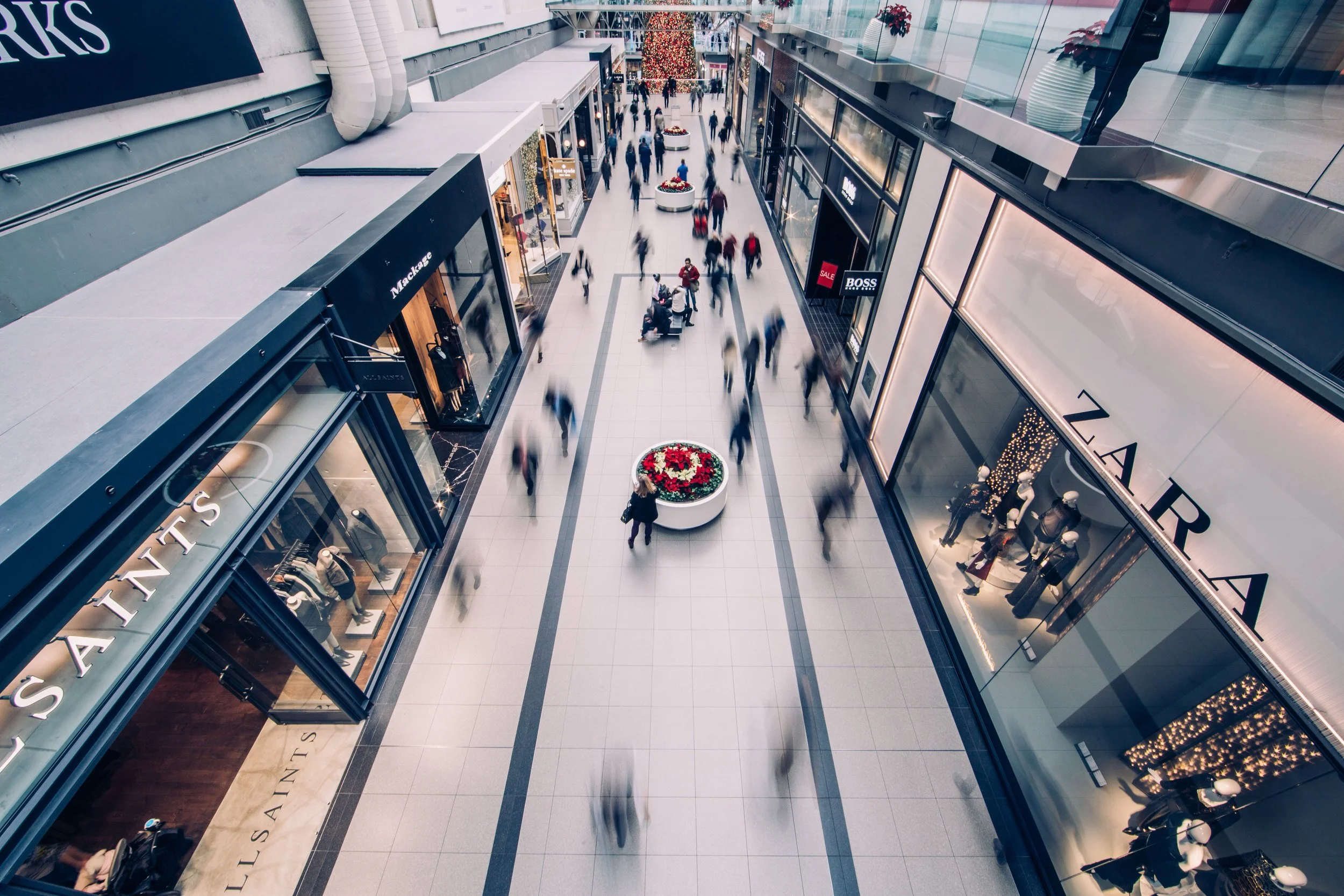
Loss prevention footage gets shared with police, corporate and legal teams. DICE masks every shopper except the subject, so sharing evidence stays fast and customers stay out of files they were never part of.
- Every shopper except the subject is masked before the clip leaves the system
- Clips can be shared right away with police, corporate and legal teams
- Reduces customer privacy exposure and the liability that comes with it
How It Works
Detection
An event is detected and streams instantly to DICE's 24/7 monitoring operators — with the subject fully visible and bystanders already masked.
Voice-Down
Operators assess the live situation and issue a live audio voice-down over on-site speakers.
Dispatch
When warranted, operators escalate to dispatch, including direct digital 911 delivery.
Compliant
The same footage that drove the response is immediately safe to hand to responders, investigators, and compliance teams — no manual redaction required.

FAQs
-
Yes. Masking applies to everyone except the person for whom the event was detected. The subject remains fully visible to DICE operators during live response and in the footage afterward — the point is to protect bystanders, not to blind the response.
-
Dynamic Privacy Masking obscures the entire body, not just the face. That matters where clothing, posture, or context could identify someone even with the face hidden — a school uniform, a hospital gown, a resident's familiar coat. Where face-level anonymity is sufficient, DICE also offers Dynamic Face Masking.
-
No. Masking is applied dynamically as people move through the frame, so exported footage already has bystanders obscured. Clips can be reviewed and shared without a separate redaction process — no extra software, no per-clip editing time, no missed frames.