
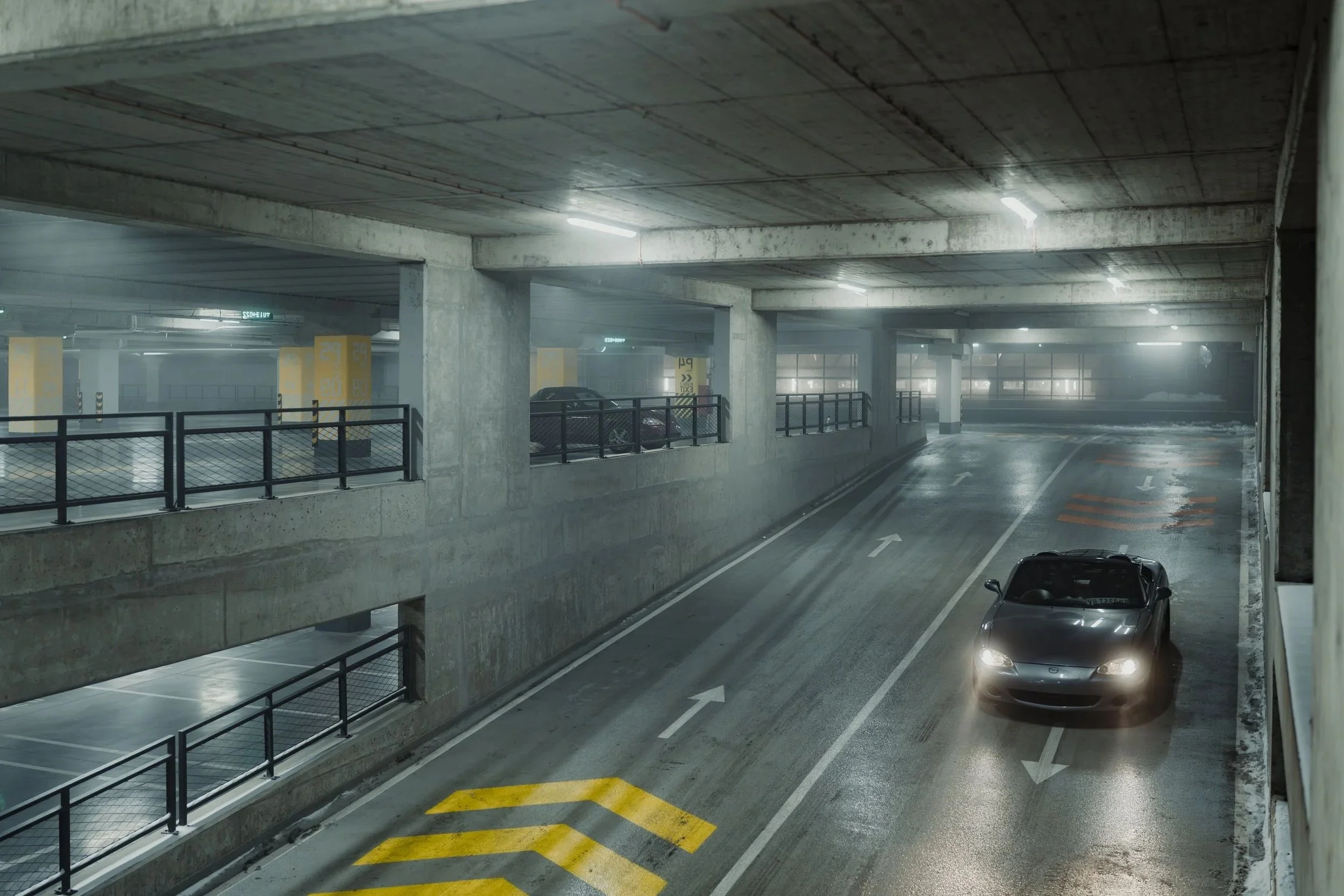
Enter/Exit Detection
Direction-aware alerts that treat an entry and an exit as separate events — with separate priorities, separate actions, and separate responses.

Coming in and going out are two different stories. Enter/Exit Detection tells them apart — and responds to each one differently.
What It Does
DICE Enter/Exit Detection identifies objects entering or leaving a monitored area. Because direction is part of the detection itself, entries and exits are treated as separate events with their own responses, instead of being lumped together as one generic crossing. Someone entering the equipment yard at midnight can alert a DICE operator immediately, while someone leaving the same yard can trigger a completely different response, like checking what they took with them.
You set the target types and the boundary for each zone. Detection stays stable even when an object crosses the line more than once, so a person stepping back and forth at a gate doesn’t set off a flood of duplicate alerts. The result is clear, direction-aware tracking of everything that crosses the boundaries that matter.

Who Uses It
A 1 A.M. Gate Exit Isn't the Same as a 1 A.M. Entry, and Your Alerts Shouldn't Treat Them the Same Way.
An after-hours entry is trespassing. An after-hours exit may be a theft in progress. DICE direction-aware detection lets operators prioritize the vehicle leaving at 1 a.m., which may be carrying a unit's contents, while still flagging the entry that shouldn't have happened either.
- Entry and exit alerts handled separately, each with its own priority level
- After-hours exits flagged as a possible theft in progress
- Coverage for gate approaches, drive aisles and perimeter crossings

A Vehicle Leaving the Lot After Close Isn't Routine Motion. It's an Event No Dealer Can Afford to Miss.
DICE exit alerts flag the moment a vehicle crosses the lot boundary after hours, before it's blocks away and before the loss is discovered on the morning walkthrough. Because the detection knows direction, the alert goes out on the exit, not on every bit of motion across the property.
- Exit alerts the moment a vehicle crosses the lot boundary after hours
- Exit events handled separately from general motion
- Coverage for the lot perimeter, inventory row exits and service drive gates

Materials Leave Job Sites in Trucks. Watching Exits From Laydown Areas Separately From Entries Catches the Load That Shouldn't Be Leaving.
An entry into a laydown area at 6 a.m. might be a crew arriving. An exit at 11 p.m. is something else entirely. DICE exit monitoring on material storage zones flags anything leaving outside working hours, when the only thing going out is something that was stolen.
- Exit alerts for laydown areas and material storage zones
- After-hours exits flagged separately from daytime entry traffic
- Coverage for site gates, equipment yards and laydown area perimeters

Log Every Entry Into a Secured Compound, and Use Exit Alerts to Confirm Whether an Intruder Has Left or Is Still Inside.
Entry alerts put DICE operators on unauthorized access the moment it happens. Exit alerts answer the question first responders need answered most: is the intruder still on site? Direction-aware detection gives incident response the full picture, not just that a breach happened but whether it's still active.
- Entry alerts on every unauthorized crossing into the compound
- Exit alerts confirm whether an intruder has left the perimeter
- First responders know on arrival whether the site is clear or still active

Direction-Specific Events Cut Alarm Fatigue. After-Hours Entries Get Priority, While Expected Exits Get a Lighter Response.
Not every crossing needs the same response. DICE Enter/Exit Detection lets operators send after-hours entries to priority handling, while expected exit traffic like end-of-shift departures and scheduled pickups follows a lighter process. That means fewer unnecessary escalations and faster response where it counts.
- Entries and exits routed to separate response processes
- After-hours entries prioritized without noise from expected exit traffic
- Reduces alarm fatigue across large multi-site monitored portfolios

How It Works
Every entry and exit event goes straight to DICE’s 24/7 monitoring operators, with its direction attached. Our operators assess the live video in context. An after-hours entry gets an audio talk-down through on-site speakers and escalation to dispatch when needed, including direct digital 911 delivery. Exit events answer the critical question for operators and responders: “Are they still on site?”

FAQs
-
Because response differs. An entry means someone is arriving at your assets; an exit may mean your assets are leaving with them — or tells responders the intruder is gone. Treating them as one generic event throws away the most actionable detail in the scene.
-
No. Detection is designed to remain stable when an object crosses the line more than once, so back-and- forth movement at a gate or doorway doesn't produce duplicate event floods.
-
Yes. Target types are configured per zone, so you can alert on any person entering a compound while tracking only vehicle exits at the main gate — each with its own action.