
Forklift Detection
Know the moment a forklift is somewhere it shouldn't be, before someone gets hurt.

Forklifts and people share the same floor — and the floor doesn't forgive mistakes. Clear Watch Forklift Detection knows where every forklift is, the moment it's somewhere it shouldn't be.
What It Does
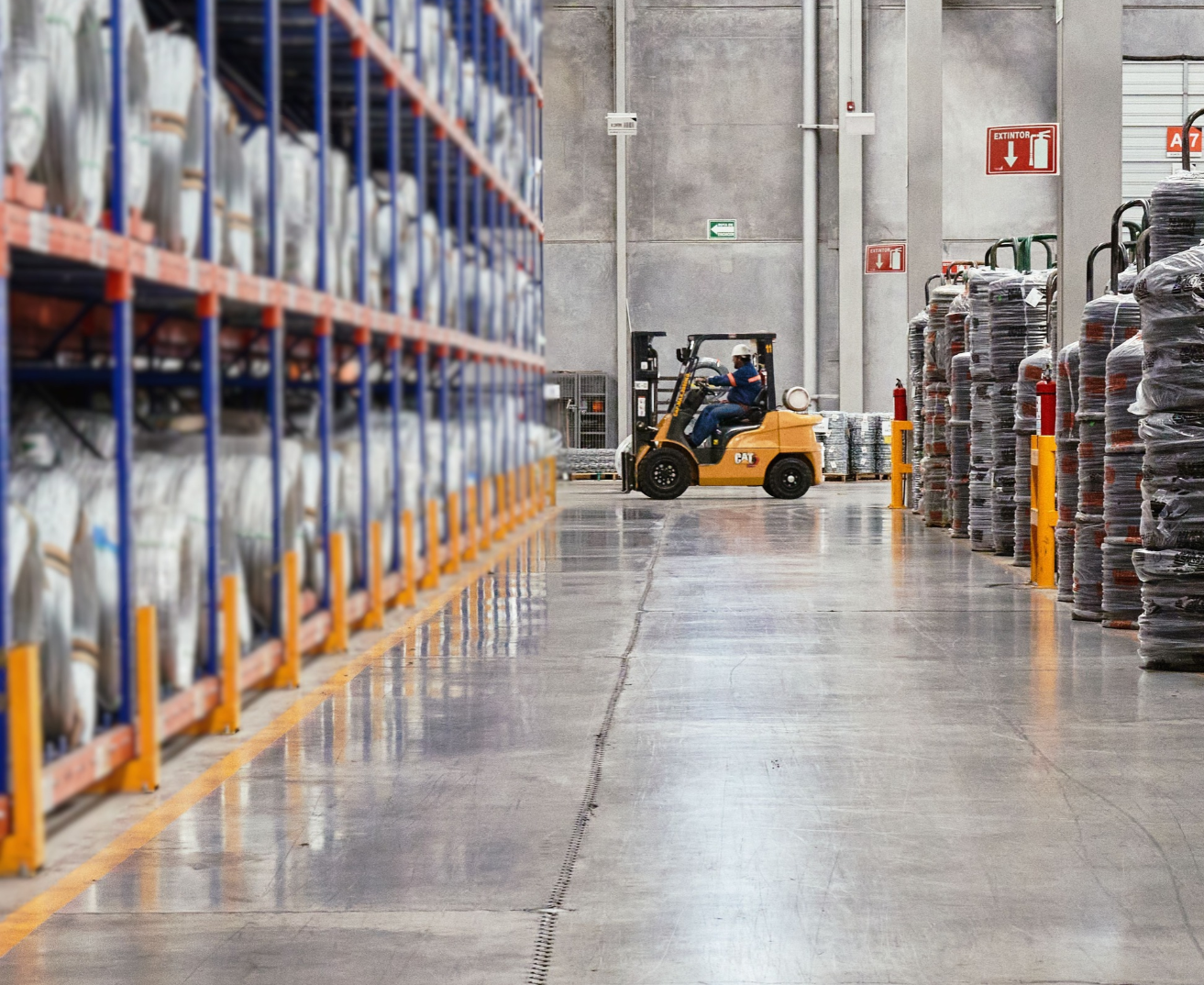
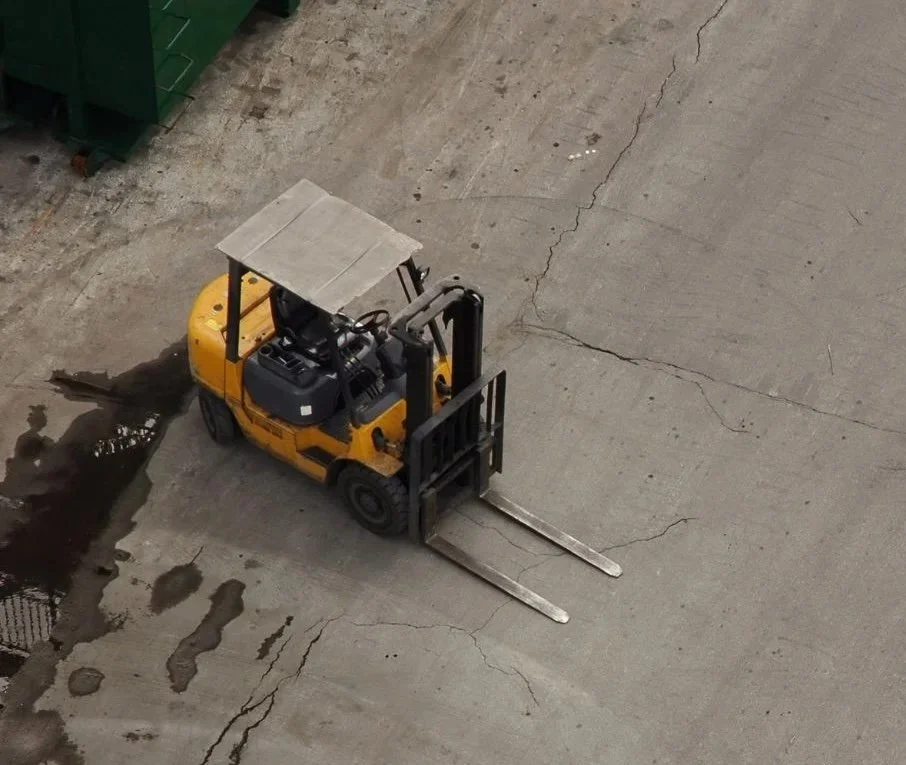
DICE Forklift Detection identifies forklifts on camera and sends an alert the moment one enters a monitored zone. It’s built for warehouses, production areas and construction sites, where forklifts move through aisles, doorways and shared walkways all shift long. In those places, a forklift in the wrong spot at the wrong time is one of the most common causes of serious workplace injuries.
You can set up monitored zones however you need, so you can enforce the rules your site actually follows. For example, you can keep forklifts out of pedestrian walkways, ban them from certain areas during shift changes, or limit them to set lanes and hours. Detection stays reliable even when a forklift is partly hidden behind racking or the load it’s carrying, so enforcement holds up in exactly the cluttered spaces where it matters most.
Who Uses It
Warehouses & Distribution Centers
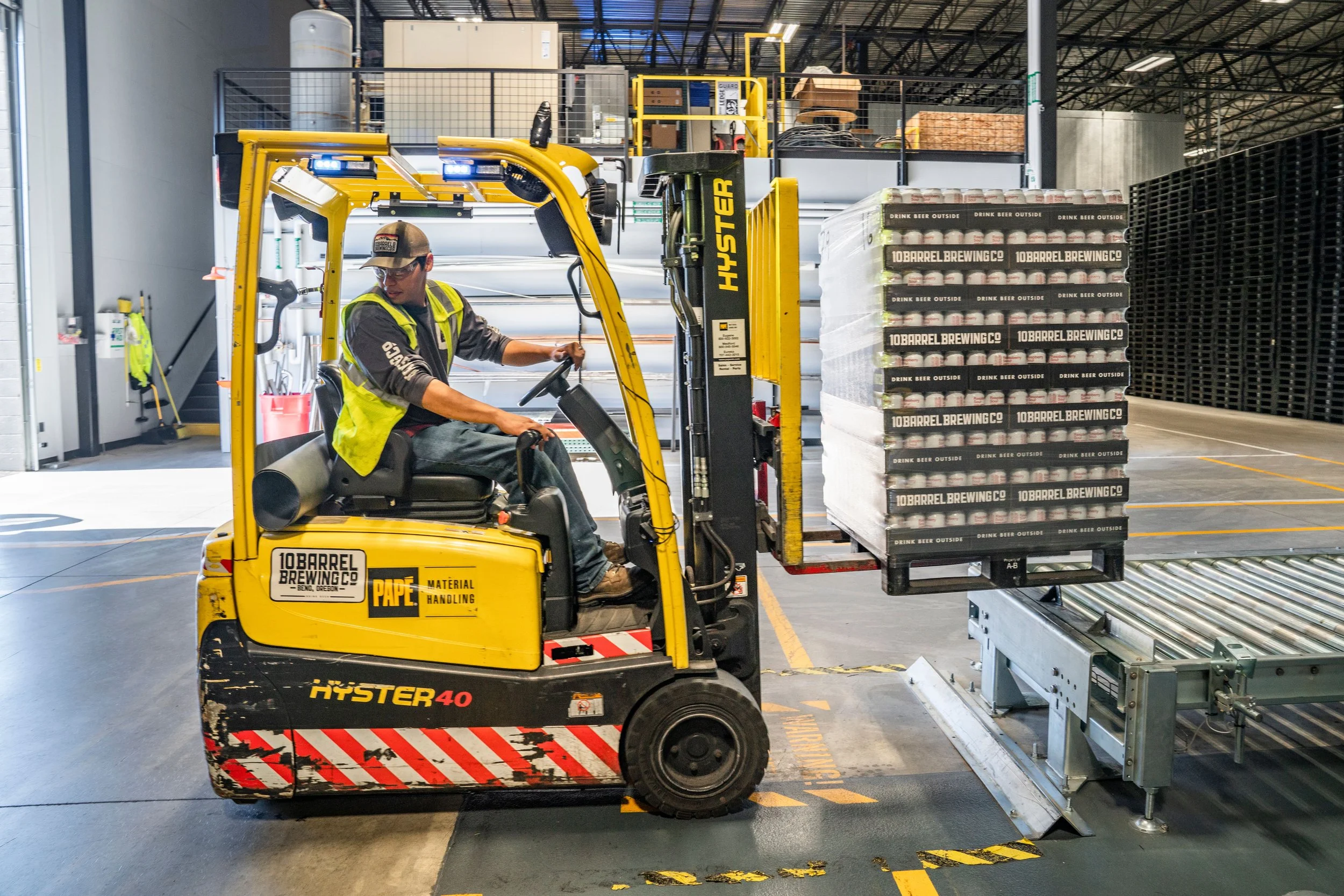
The path between the loading dock and the racks is the most dangerous space in the building. DICE zone rules send an alert the moment a forklift crosses into a walkway or staging area where it's not allowed.
- Forklifts entering walkways and staging areas flagged the moment it happens
- Zone rules set for each aisle, dock door and staging area to match your layout
- Pairs with No-PPE Detection to cover both forklift access and worker safety gear in the same zones
Manufacturing Plants
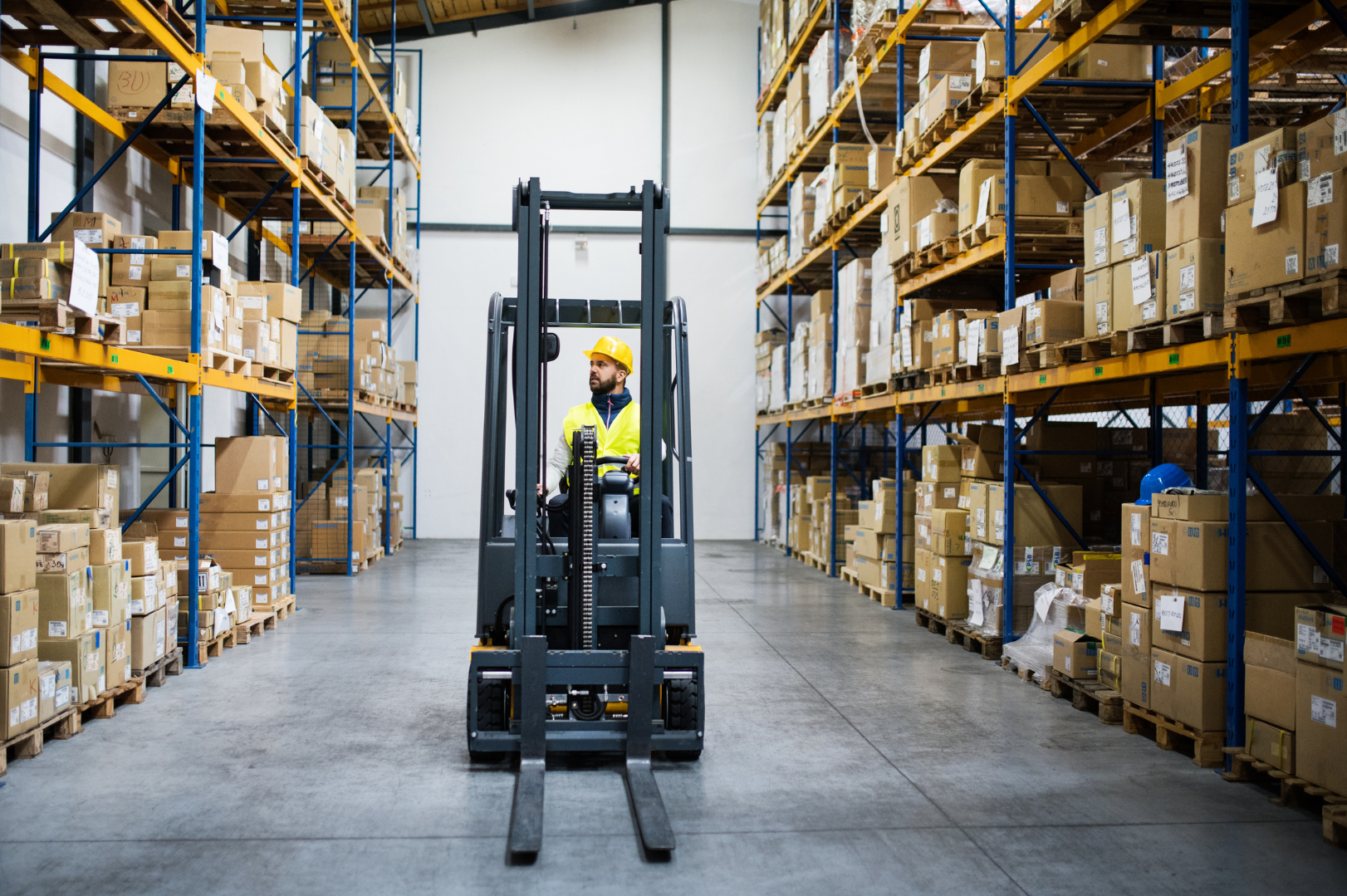
DICE enforces forklift-free time windows during line changeovers and shift changes, when foot traffic is at its peak and drivers are moving fast to keep production going.
- Forklift-free windows enforced automatically during changeovers and shift changes
- Zones turn on and off on the schedule you set, with no manual switching
- Real-time alerts so supervisors can step in before an incident, not after
Construction Sites
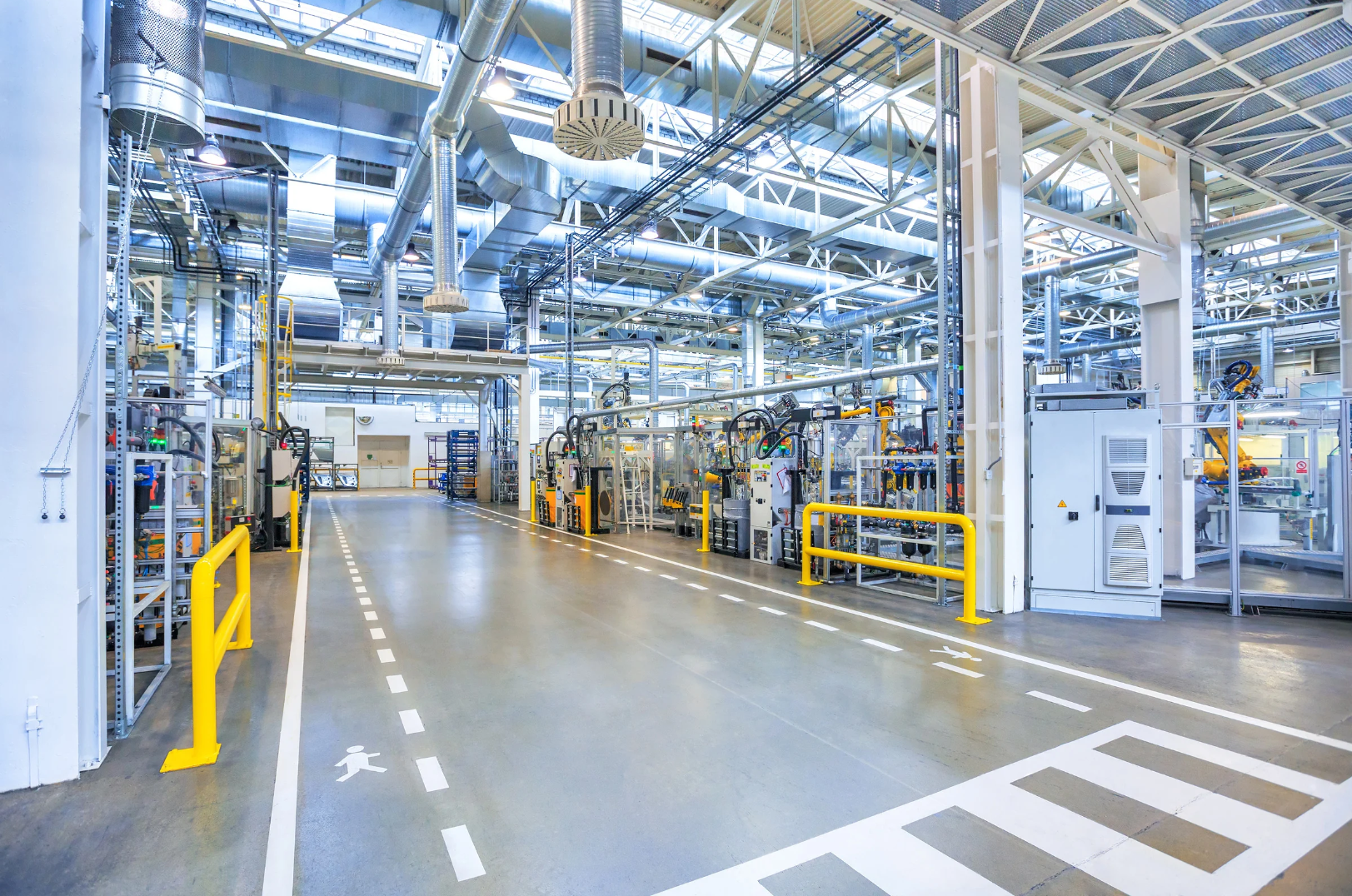
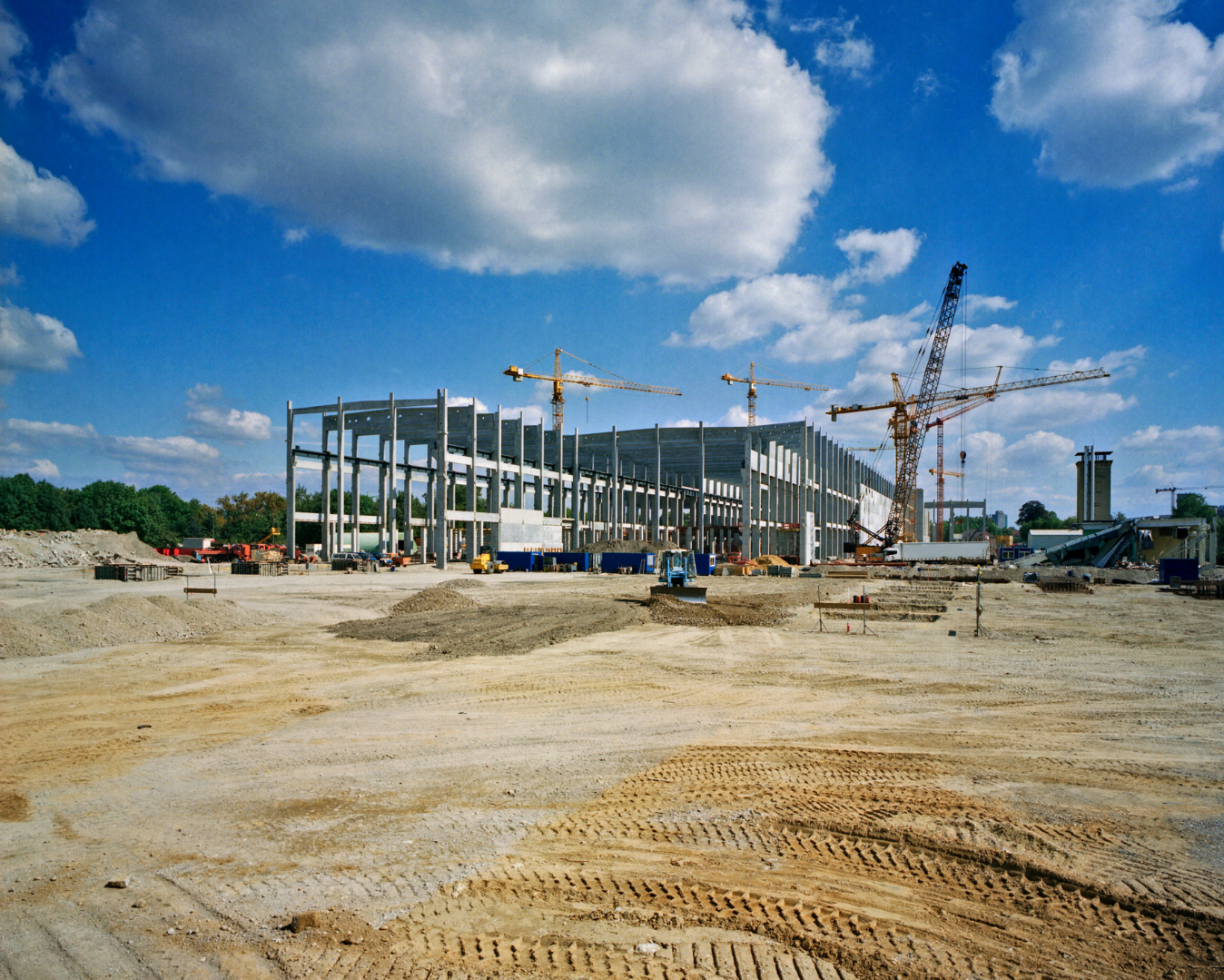
Material handling equipment weaves through crews, deliveries and temporary walkways that change every week. DICE camera-based zones change as fast as the site does, with no barriers to install.
- Zone boundaries updated in the software as the site layout changes, with no physical barriers to move
- Equipment and foot traffic monitored together across a site that's always changing
- Coverage in areas where physical barriers aren't practical or possible
Cold Storage & Food Logistics
Supervision is thin in freezer aisles no one wants to stand in. DICE automated detection covers the zones supervisors can't physically watch.
- Continuous monitoring of freezer aisles and cold zones, with no supervisor needed on site
- Alerts reach someone on the warm side the moment a zone rule is broken
- A compliance record built automatically for every monitored zone, every shift

Safety & Risk Managers
DICE logs every zone violation with video, turning stories about "that one driver" into a documented pattern you can coach against, plus proof of enforcement for auditors and insurers.
- Every violation logged with video, ready for incident reviews, audits and coaching
- Pattern data shows which zones, shifts and drivers have the most violations
- A documented enforcement record to support insurance, workers' comp and OSHA discussions

How It Works
When a forklift enters a restricted zone, the event goes straight to DICE. Floor supervisors and safety leads get real-time alerts, and a live DICE monitoring operator can issue an immediate audio talk-down through on-site speakers to stop the behavior before anyone gets hurt. Every event is recorded with video, building the compliance record your safety program and your insurer want to see.
FAQs
-
The AI is trained specifically to recognize forklifts as a distinct object class, and detection is designed to remain stable even when the truck is partially occluded by racking or its own load.
-
Yes. Rules can apply to particular zones, particular schedules, or both — for example, no forklift traffic in a corridor during shift change, or no forklifts near the break area during lunch.
-
In most cases, no. We run AI detection on cameras covering your aisles, docks, and doorways, so the same infrastructure that records incidents starts preventing them.