
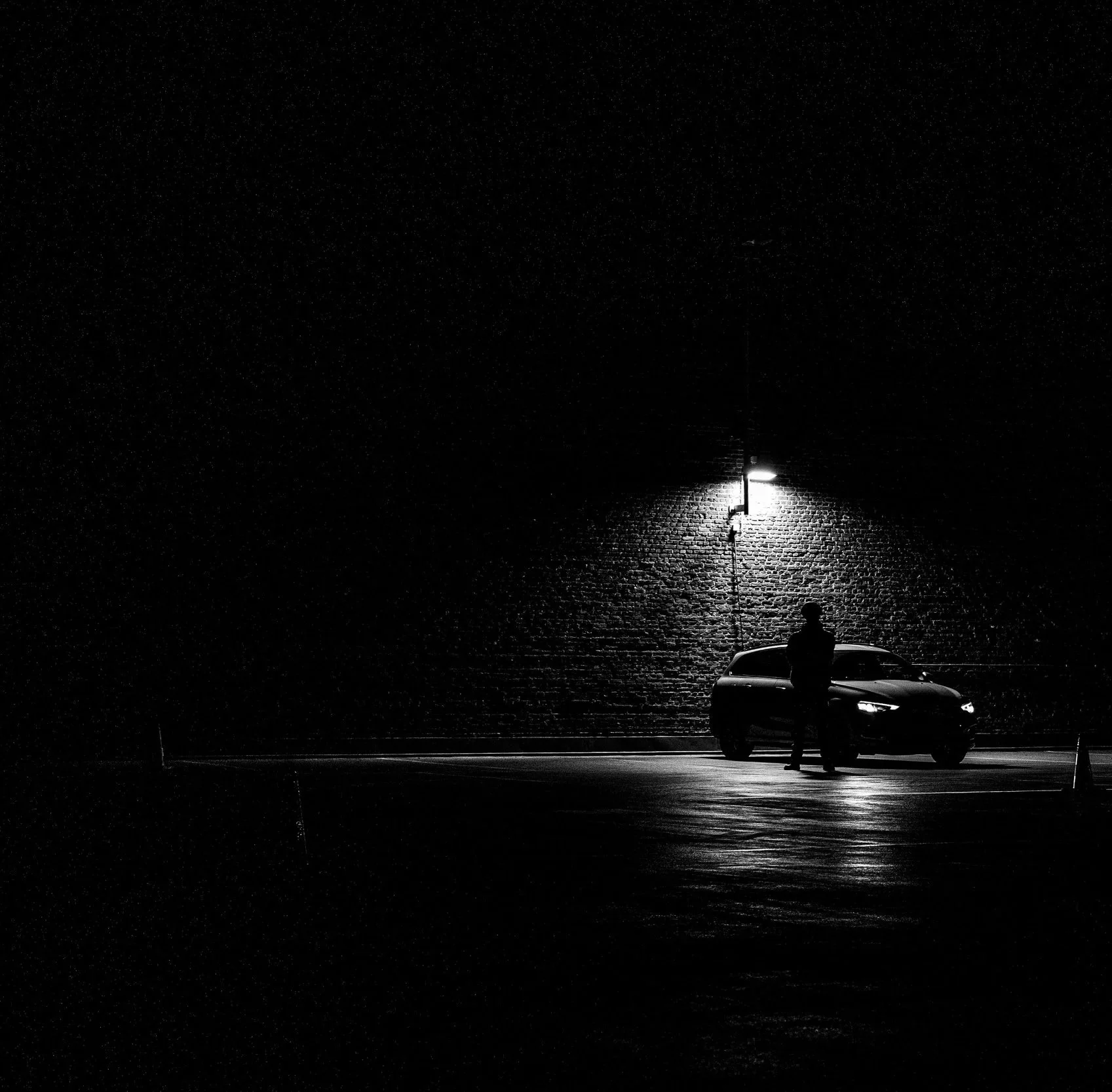
Imminent Threat Detection
Violence rarely comes out of nowhere. Recognize the warning signs, like someone being cornered, followed or approached aggressively, before contact happens.

What It Does
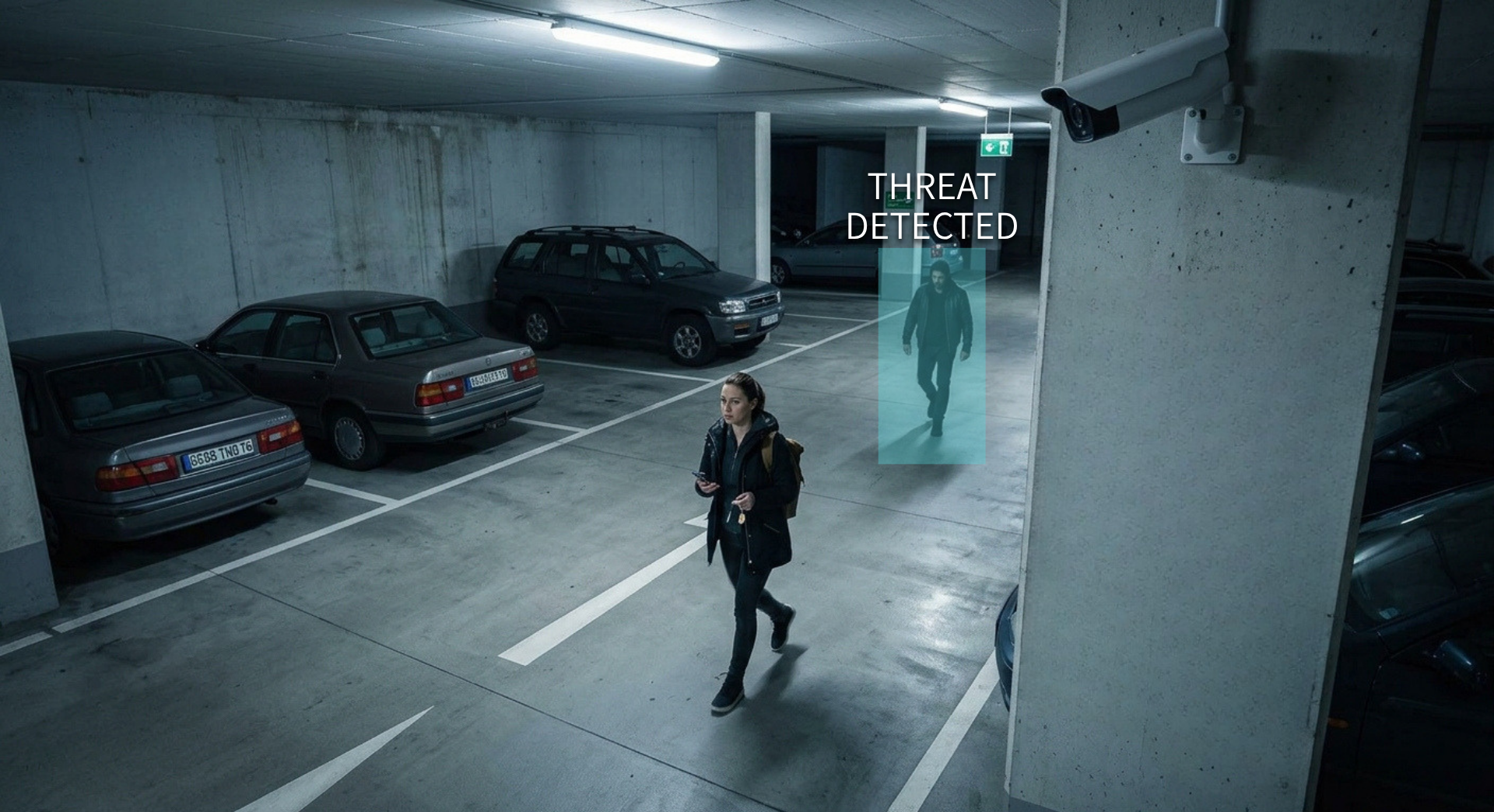
DICE Imminent Threat Detection identifies threatening situations by recognizing behavior and understanding what’s happening in a scene. Instead of looking for a single object or an act that’s already happened, it reads posture, movement and the relationship between people on camera. That means a person being cornered, followed or approached aggressively is recognized before any physical contact happens. It’s the difference between responding to an assault and preventing one.
Behavioral detection only works if you can trust it. That’s why sensitivity is set for each zone to match how that space is actually used, and a filtering process makes sure only sustained threatening behavior triggers an alert. Someone brushing past another person in a busy hallway won’t set it off, but someone backing a person up against a wall will.
Who Uses It
Escalation Has a Pattern. Detecting It Keeps a Confrontation From Becoming an Assault.
Agitation, approaching, cornering: the behavior that comes before violence in emergency departments, behavioral health units and parking structures can be recognized before contact is made. DICE flags it early.
- Covers emergency departments, behavioral health units and parking structures
- Detects the warning signs before contact, like agitation, approaching and cornering
- Gives security the seconds they need to step in before an assault happens

A Student Being Cornered Is in Danger Before the First Blow.
A student backed into a stairwell or the corner of a parking lot is already in danger, whether or not violence has started. DICE recognizes it early, putting adults on the scene while there's still time to step in.
- Covers stairwells, parking lots and isolated common areas
- Detects threatening behavior before any physical contact
- Gets staff or school resource officers moving while de-escalation is still an option
The Moments Hotel Security Can't Watch in Person.
A guest followed to their car, a confrontation building in the lobby at 1 a.m., aggression toward front-desk staff working alone. These happen in the gaps between patrols, and that's where DICE threat detection does its most important work.
- Covers parking structures, lobbies and unstaffed desk areas
- Detects someone being followed and confrontations starting to escalate
- Alerts security before a guest or staff member is in danger

Intimidation Drives the Public Away Long Before Any Crime Is Reported.
Threatening behavior on platforms, in parks and in garages erodes public confidence, and usually goes without a response until after the fact. DICE detects threats as they form, so cities can respond to the behavior, not just the aftermath.
- Covers transit platforms, parks and public garages
- Recognizes intimidation and threatening posture before things escalate
- A verified response sent while the situation is still developing

The Posture Before an Assault Is Visible. Now It's Detectable.
The warning signs before an assault, like posture, closeness and movement, can be seen before the first strike. DICE threat recognition gives officers a verified early warning across housing units and yards.
- Covers housing units, yards and dayrooms
- Detects the positioning and behavior that come before an assault
- A verified alert reaches officers before the assault begins

Duty of Care Doesn't End at the Lobby Door.
Employees walking to their cars after hours and receptionists dealing with hostile visitors are where a failure in duty of care is most visible, and most costly. DICE covers the situations that happen between patrols.
- Covers parking structures, building entrances and reception areas
- Detects employees being followed and confrontations escalating toward staff
- Protects employees in the moments between scheduled patrols

How It Works
Detection
The instant a threat is detected, the event streams to DICE's 24/7 live monitoring operators.
Live Verification
Operators assess the live video and issue a live audio voice-down over on-site speakers — announcing that the scene is being watched, frequently enough to defuse the situation on the spot.
Your Team Is Notified
Your on-site staff is alerted.
Emergency Dispatch
When warranted, operators escalate to dispatch with direct digital 911 delivery. Because detection happens before contact, response can too.

FAQs
-
Aggressive Behavior Detection recognizes violence in progress — fighting or one-sided assault. Imminent Threat Detection works one step earlier, reading posture, movement, and the relationship between people to flag situations like a person being cornered or approached aggressively before contact occurs. Many sites run both.
-
No. Sensitivity is configured per zone, and a filtering process is applied so that only sustained threatening behavior raises an event — a passing conversation or a crowded hallway doesn't. Every alert is then verified by a live DICE operator before escalation.
-
No. Detection is based on behavior — posture, movement, and how people in the scene relate to each other — not on identity. It recognizes what is happening, and live operators verify who needs help and what response is warranted.