

Multi-Zone Counting
Real-time occupancy across several zones at once.

Real spaces aren't rectangles. Multi-Zone Counting tracks occupancy across several zones at once and governs the combined total with a single rule — one capacity limit for one real space.
What It Does
Multi-Zone Counting lets you set up multiple zones within a camera view and see real-time occupancy across all of them. Each zone is configured on its own, whether it’s a seating area, a standing section or the space around a pillar or fixture. Counts are reported continuously, both for each zone and as a combined total.
What sets it apart is that alerts can be based on the total number of people across all your zones. A space might be split up by shelving, columns, walkways or an irregular floor plan, but it’s still one room with one legal capacity. Multi-Zone Counting treats it that way, with one rule for the combined count instead of separate limits that never quite add up.
Who Uses It
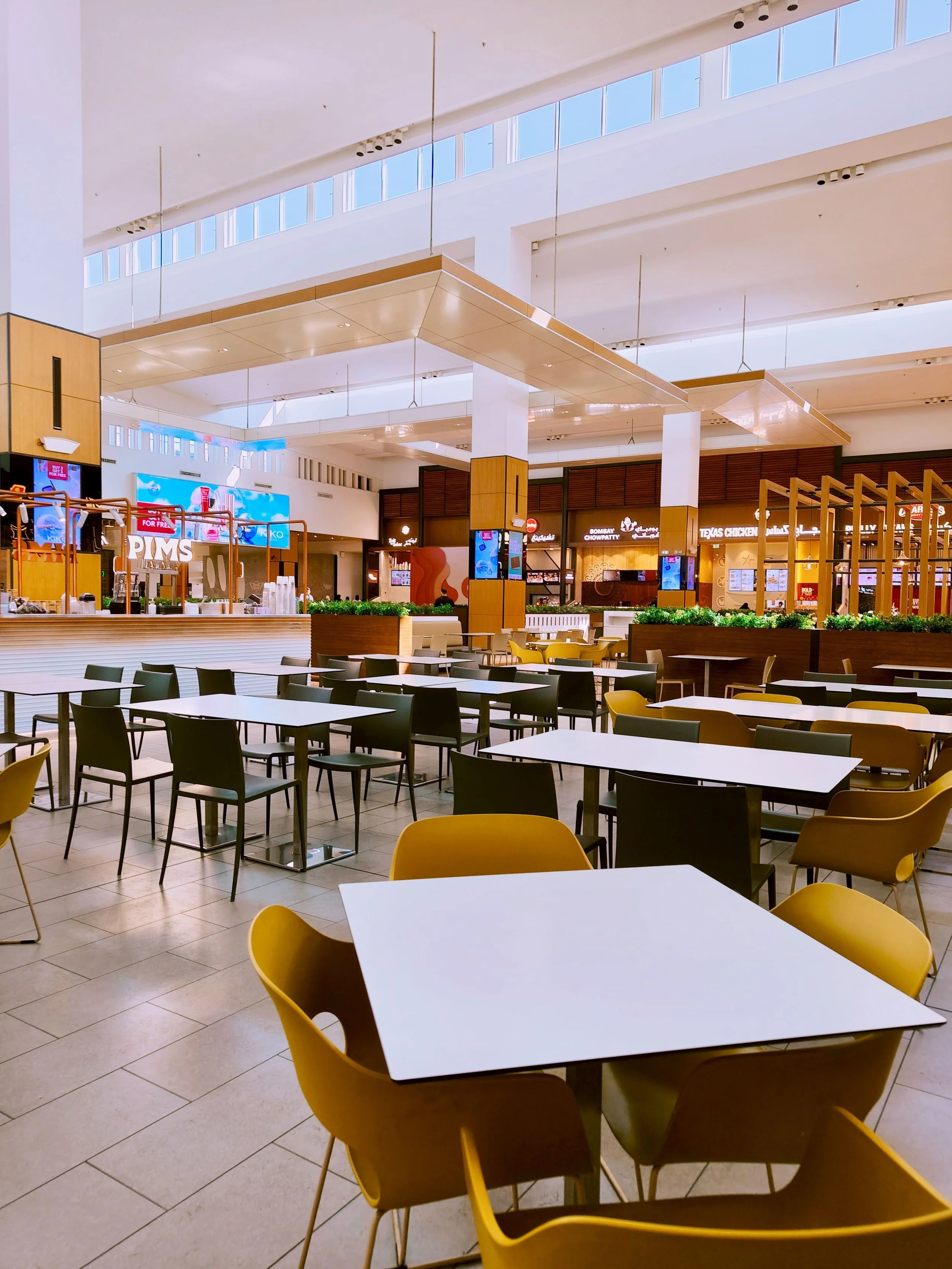
Six Seating Areas That Each Look Fine Can Still Add Up to a Full House.
Six seating areas separated by walkways are still one dining space with one capacity. DICE combines the counts and alerts your team when the whole space is full, even if no single area looks crowded on its own.
- Real-time combined count across every seating area
- Capacity alerts based on the combined total, not each area separately
- Catches a full house that separate counts would miss

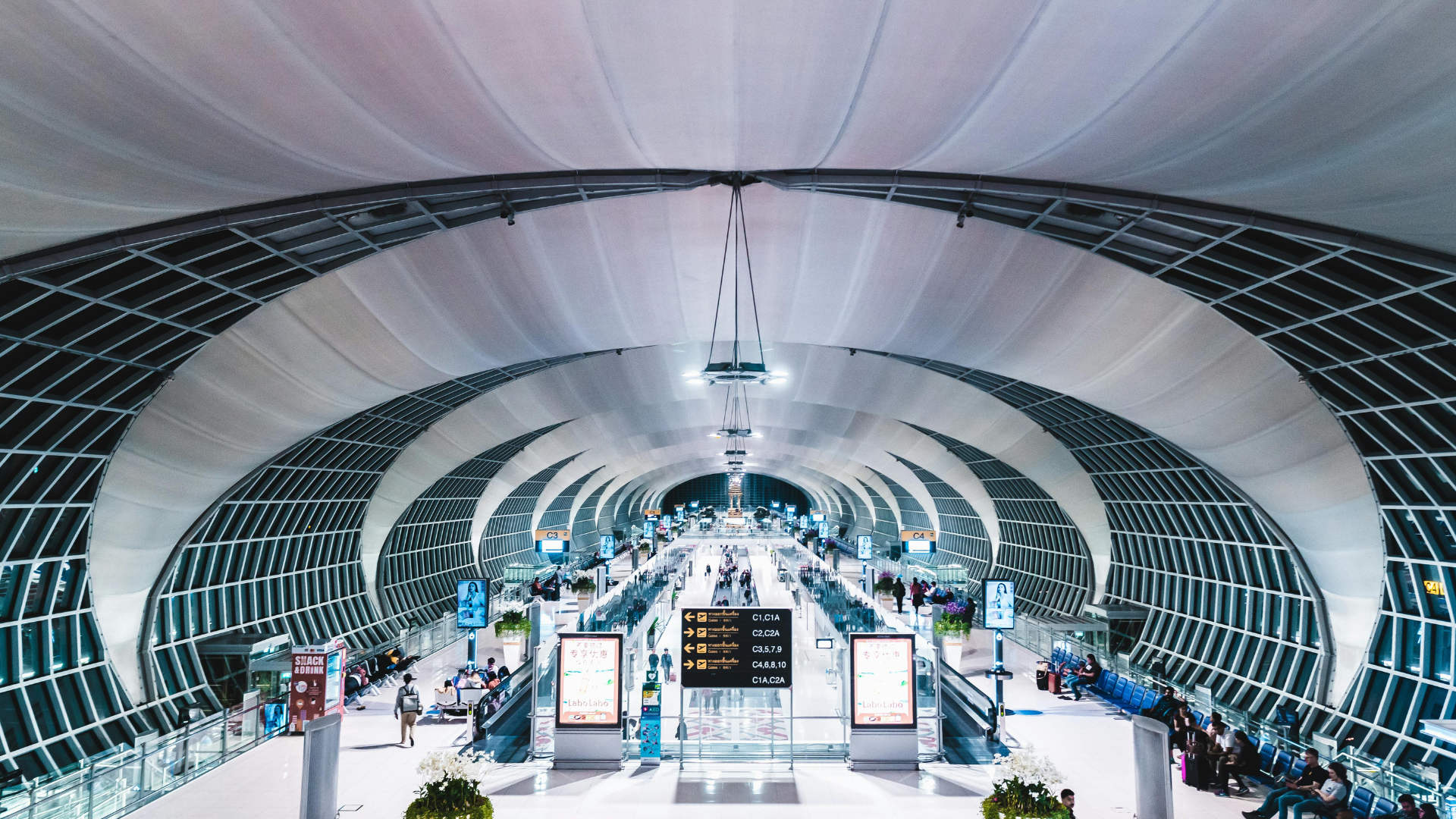
An Atrium That Wraps Around Escalators Is Still One Space With One Limit.
DICE zones cover the actual standing areas around escalators and kiosks, and the combined count tracks the overall limit for the space. Even oddly shaped common areas get accurate occupancy counts, no matter their layout.
- Zones drawn around the actual usable floor space, not the whole camera view
- One combined count sets the capacity alert for the entire common area
- Works with irregular layouts, obstructions and partial views

A Licensed Capacity Covers the Whole Floor, Not Just the Section You Can See.
A general admission floor split up by the sound booth and railings still has one licensed capacity. DICE keeps an accurate count across every section at once, so the number you report matches the one the fire marshal cares about.
- One combined count across every general admission section at once
- Capacity alerts tied to the licensed total, not limits for each section
- Works on floors divided by railings, barriers, sound booths or columns

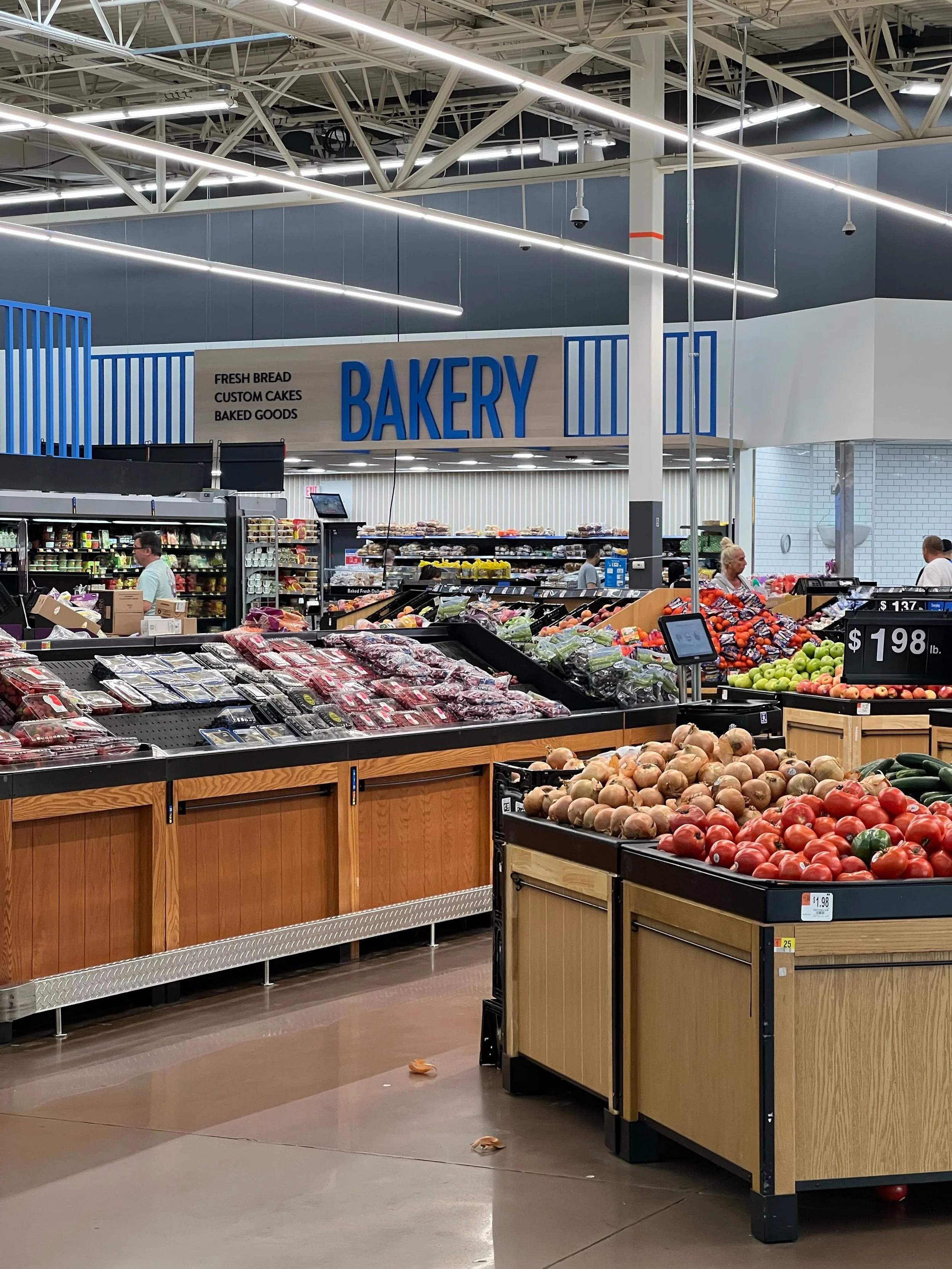
The Fresh Department Is Busy. One Quiet Counter Doesn't Change That.
DICE combines the counts at the deli, bakery and prepared-foods counters, and calls for more staff when the whole fresh department gets busy, not just when one counter hits its own limit.
- Combined count across the deli, bakery and prepared-foods areas
- Staffing alerts based on how busy the whole department is
- Catches rushes that separate counter counts would spread out and miss
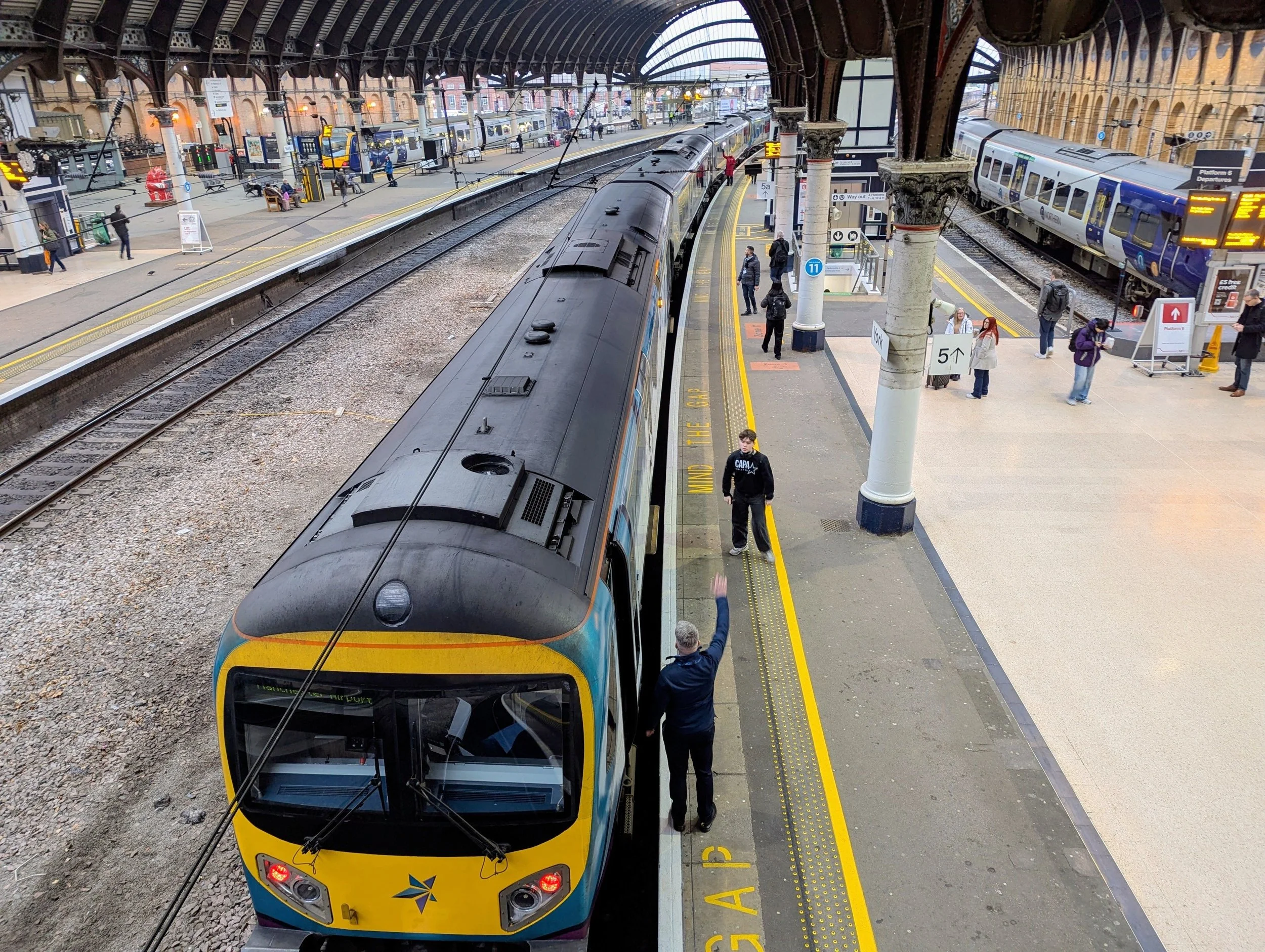
Divided by Gates and Columns, It's Still One Concourse With One Limit.
Waiting areas separated by ticket gates and columns work as one concourse. DICE sets a single limit on the combined count and alerts you when the whole space is filling up, before any one section looks obviously overcrowded.
- Combined count across waiting areas separated by gates or columns
- One rule sets the alert for the entire concourse
- Flags rising crowds before any one section gets dangerously full
How It Works
Multi-Zone Counting runs on the same DICE-monitored cameras that protect your property. During the day, live counts for each zone and for the whole space guide capacity and staffing decisions, even in rooms that are split up. After hours, those same cameras switch to 24/7 live security monitoring by DICE’s operators, giving you business intelligence during the day and security at night.
FAQs
-
Zone Counting governs a single zone with its own threshold. Multi-Zone Counting configures several zones independently and lets you set events on the combined total — so a physically split space is managed as one capacity, which single-zone rules can't express.
-
Yes. Each zone is configured independently and occupancy is reported continuously, so you get per-zone detail and the aggregate figure — useful for knowing not just that the space is full, but where.
-
Because real spaces have obstructions and dead areas — walkways, fixtures, columns — that a single rectangle would miscount. Multiple precise zones cover only the occupiable areas, and the combined event keeps the governance simple.