
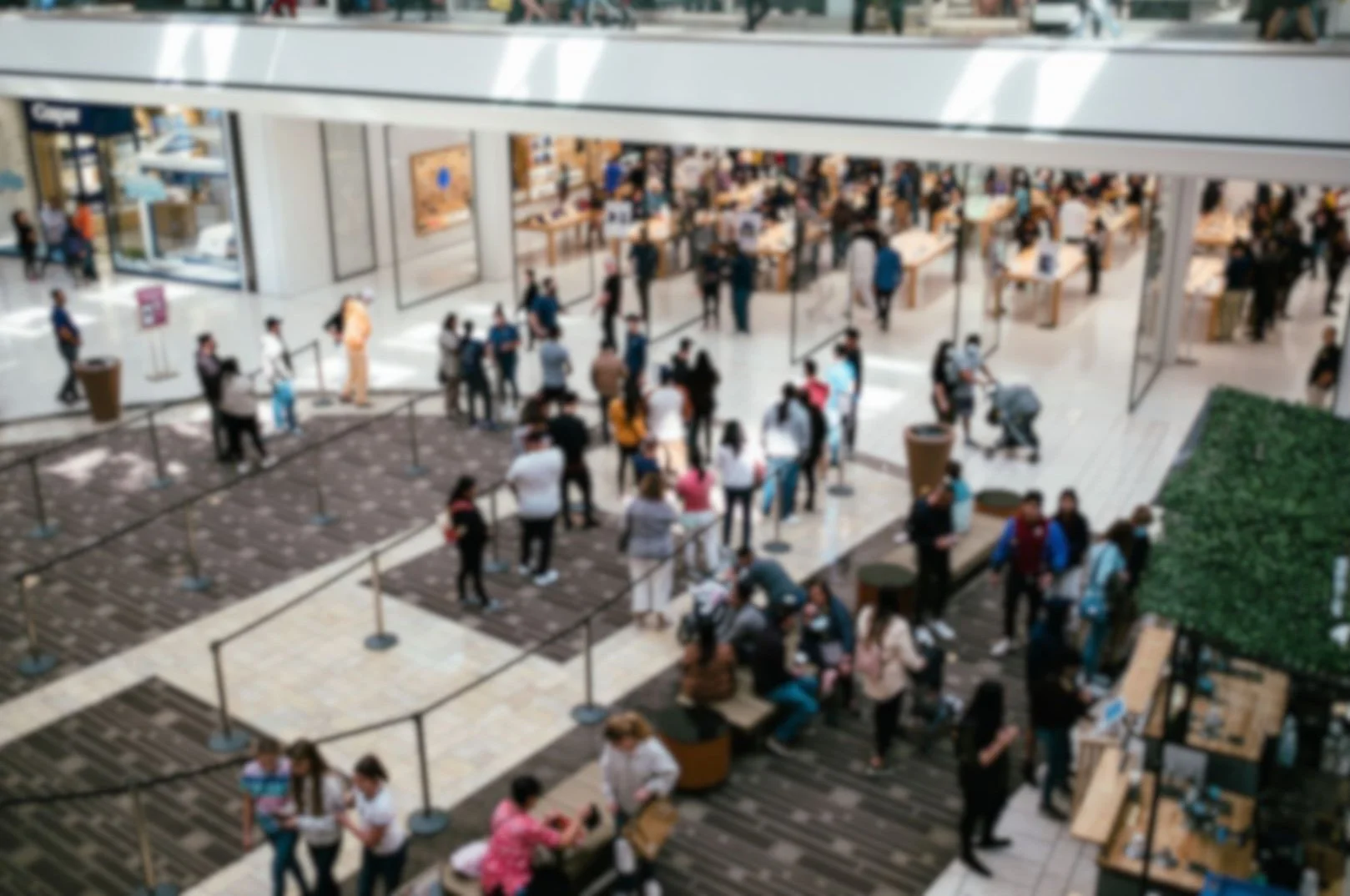
People Counting
Footfall by hour, by door, by site — the number every retail decision depends on.

Traffic is the number every other retail metric depends on — conversion, labor planning, marketing ROI. People Counting measures it continuously, accurately, from the cameras already over your door.
What It Does
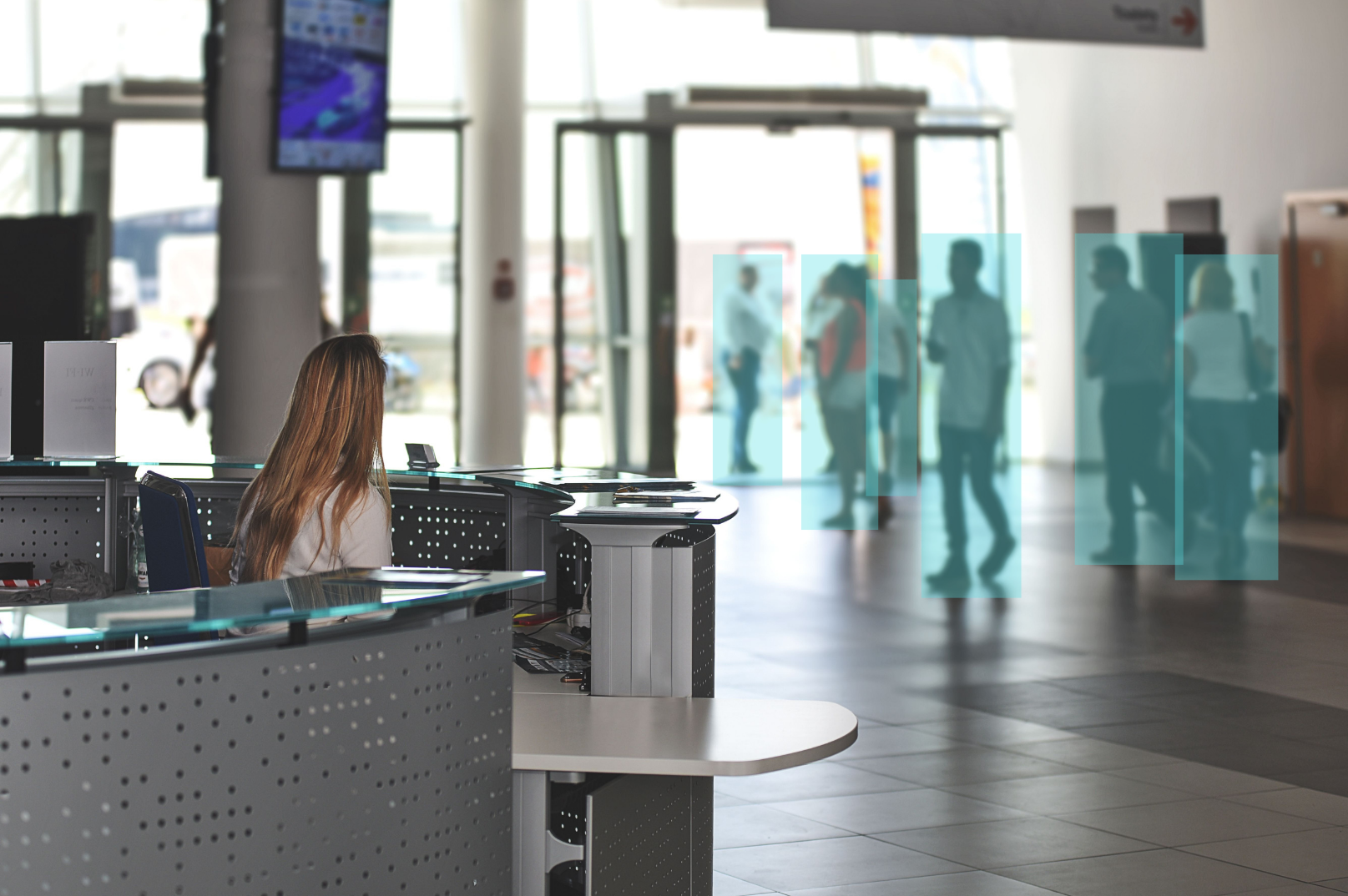
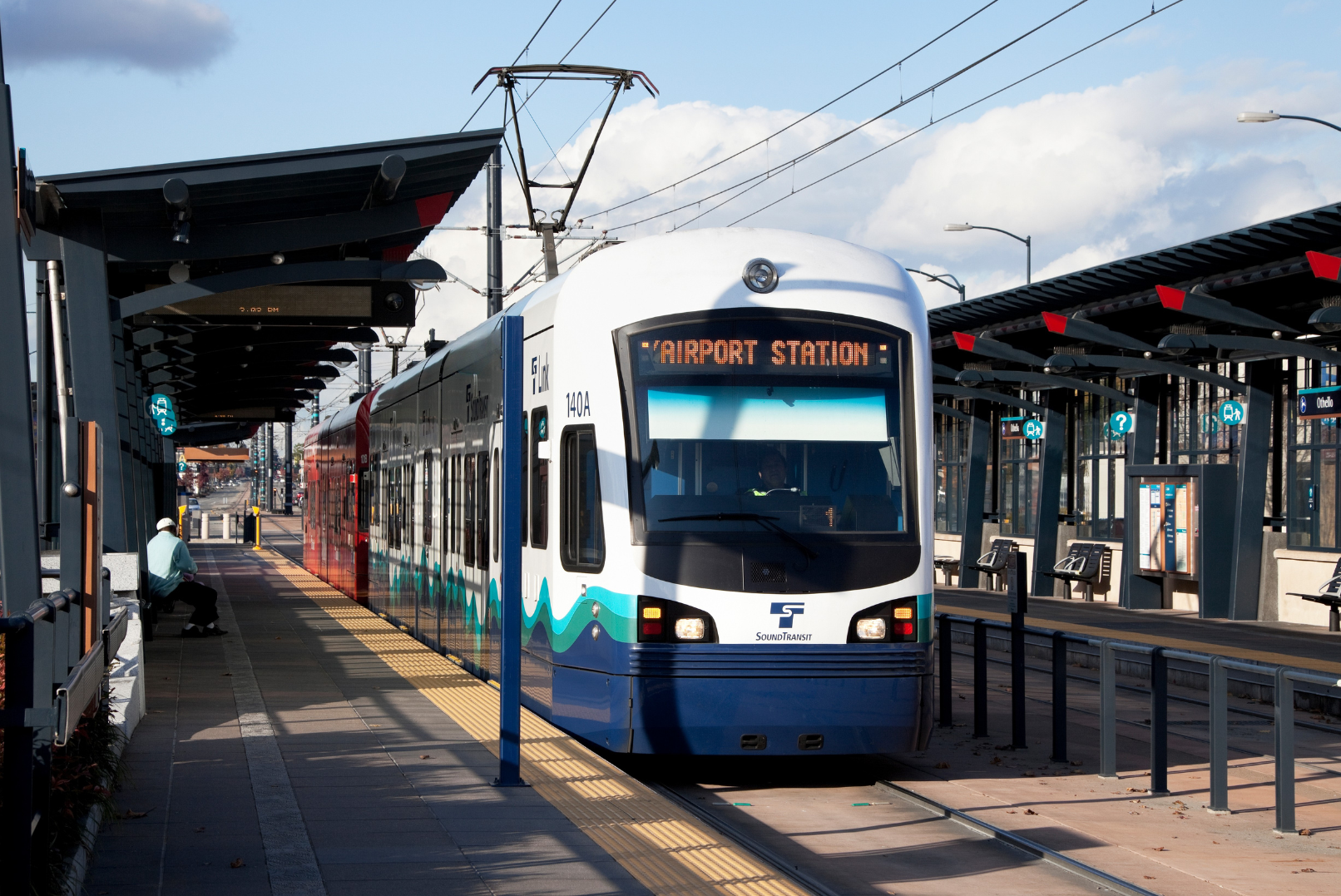
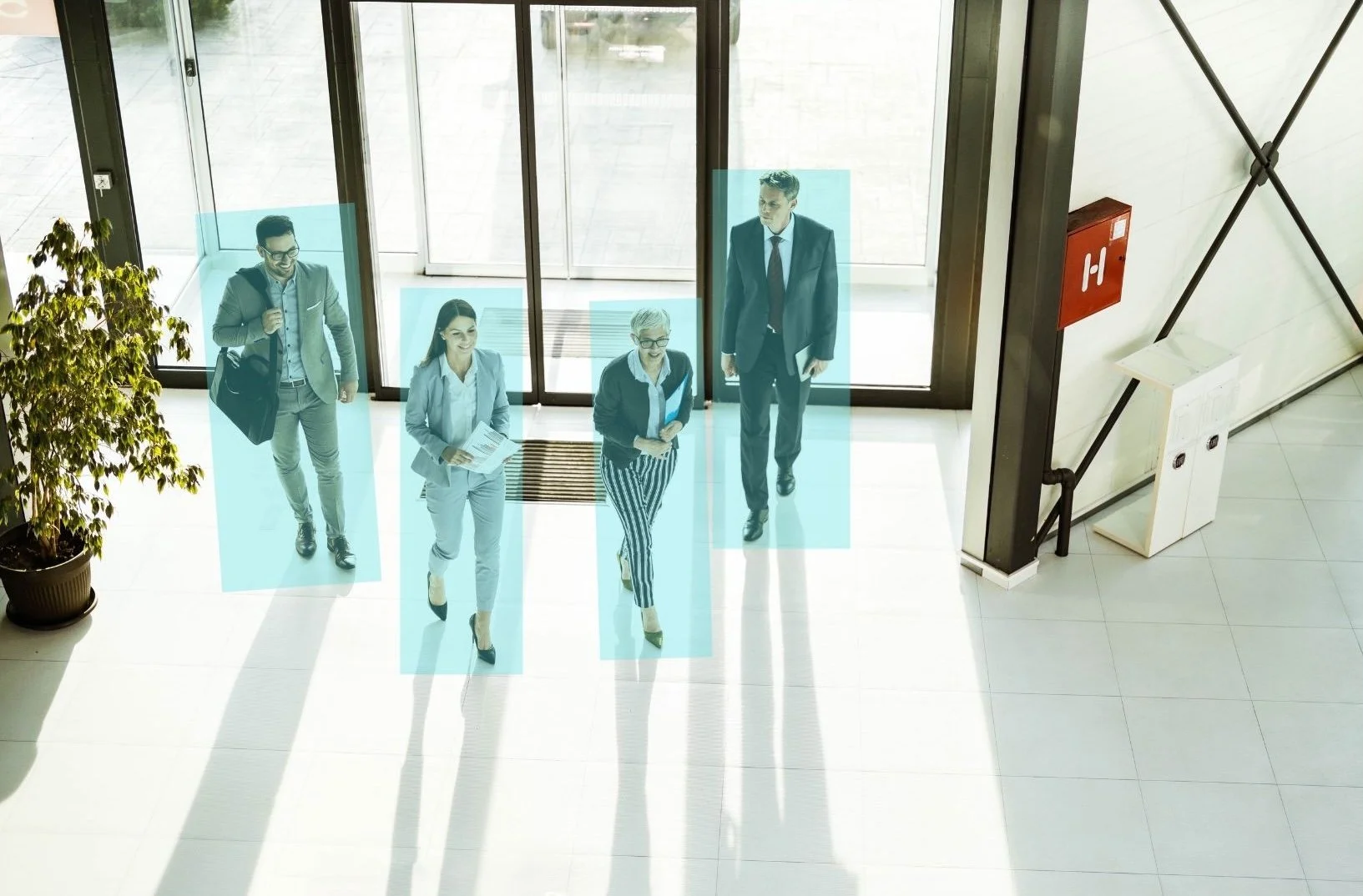
DICE People Counting measures how many people move through a main area, like a store entrance, concourse or lobby, and tracks the trend over time, which is what actually matters for foot traffic analysis. You set the counting lines and directions for each camera, so you can count people coming in, going out or both, exactly where you draw the line.
For sites with more than one entrance, DICE automatically adds up the counts from every area and entrance. A store with three doors or a facility with several access points reports one clean, site-wide number. That gives operations teams a single figure to compare day to day and store to store, which is the foundation for conversion rates, staffing schedules and lease negotiations.
Who Uses It
Is a Slow Tuesday a Traffic Problem or a Sales Problem?
A conversion rate means nothing without an accurate visitor count behind it. DICE shows foot traffic by hour and by door, so you can see which stores need more staff hours and which ones have a sales problem, not a traffic problem.
- Foot traffic by hour and by door at every location
- Accurate visitor counts for calculating conversion rates
- Shows which stores need more staff and which need better selling

Staff for Real Traffic, Not Last Year's Schedule.
Knowing your traffic patterns changes how you schedule. For example, if your 4–6 p.m. rush is 22% bigger on Fridays, you'd schedule cashiers and cart crews differently. DICE lets you match front-end staffing to real traffic instead of past assumptions.
- Hourly traffic patterns by day of the week and season
- Staffing decisions backed by real entry data
- Every entrance combined into one site-wide number

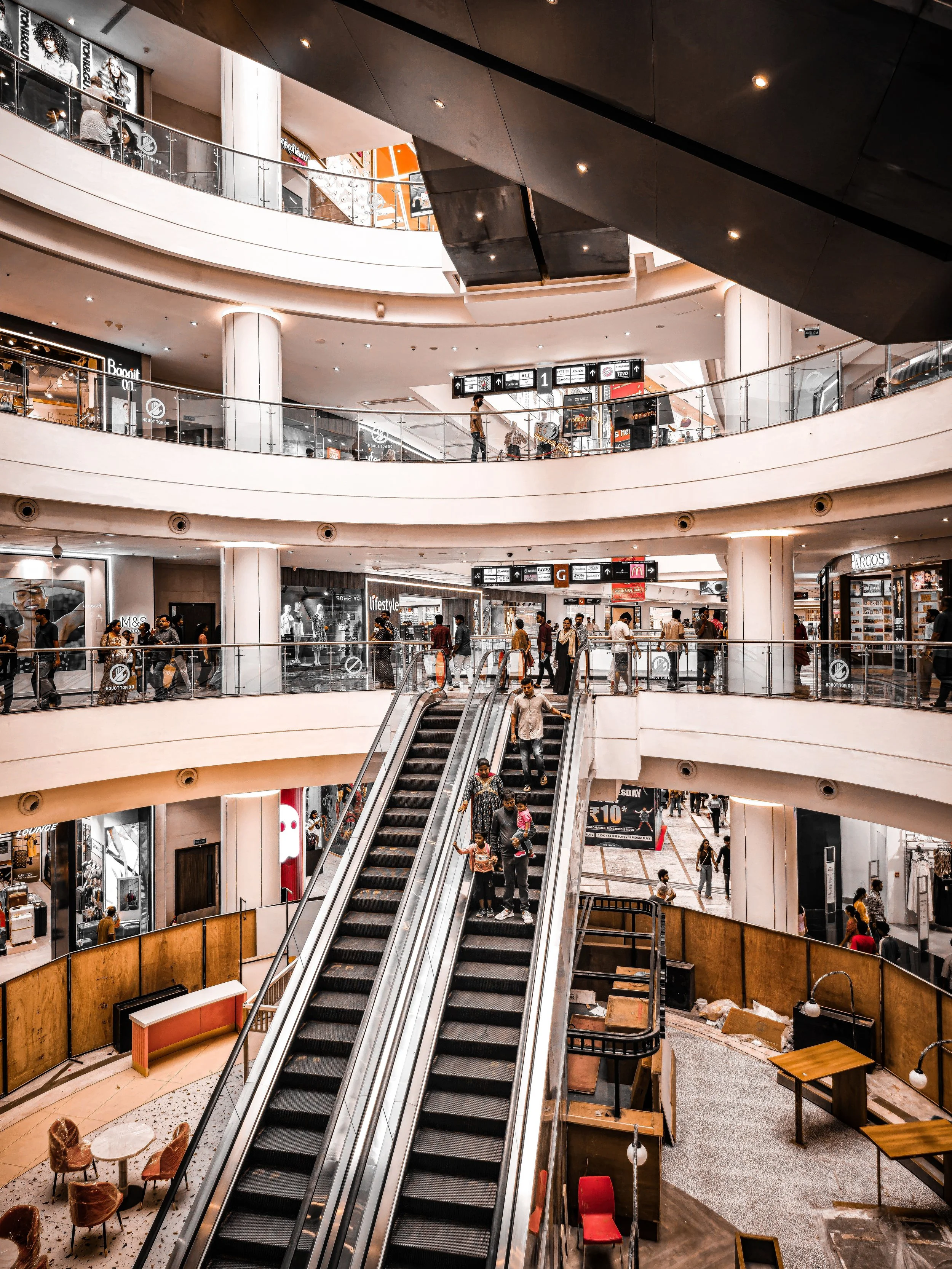
Prove Foot Traffic to Prospective Tenants and Settle Rent Discussions With Data.
DICE combines counts from every entrance into one center-wide traffic number. Use it to show prospective tenants real foot traffic, and to settle percentage-rent and marketing-fund discussions with data instead of estimates.
- Center-wide foot traffic combined from every entrance
- Data for attracting tenants and negotiating leases
- Counts for each entrance alongside the site-wide total
Declining Foot Traffic Shows Up in the Data Long Before It Shows Up in Revenue.
DICE lets you compare traffic across your branch network to adjust hours, staffing and even how many branches you operate. Foot traffic data gives you evidence for consolidation decisions before falling revenue forces them.
- Traffic comparisons across every branch in the network
- Hours and staffing adjusted based on real use
- An early warning sign for consolidation and branch decisions
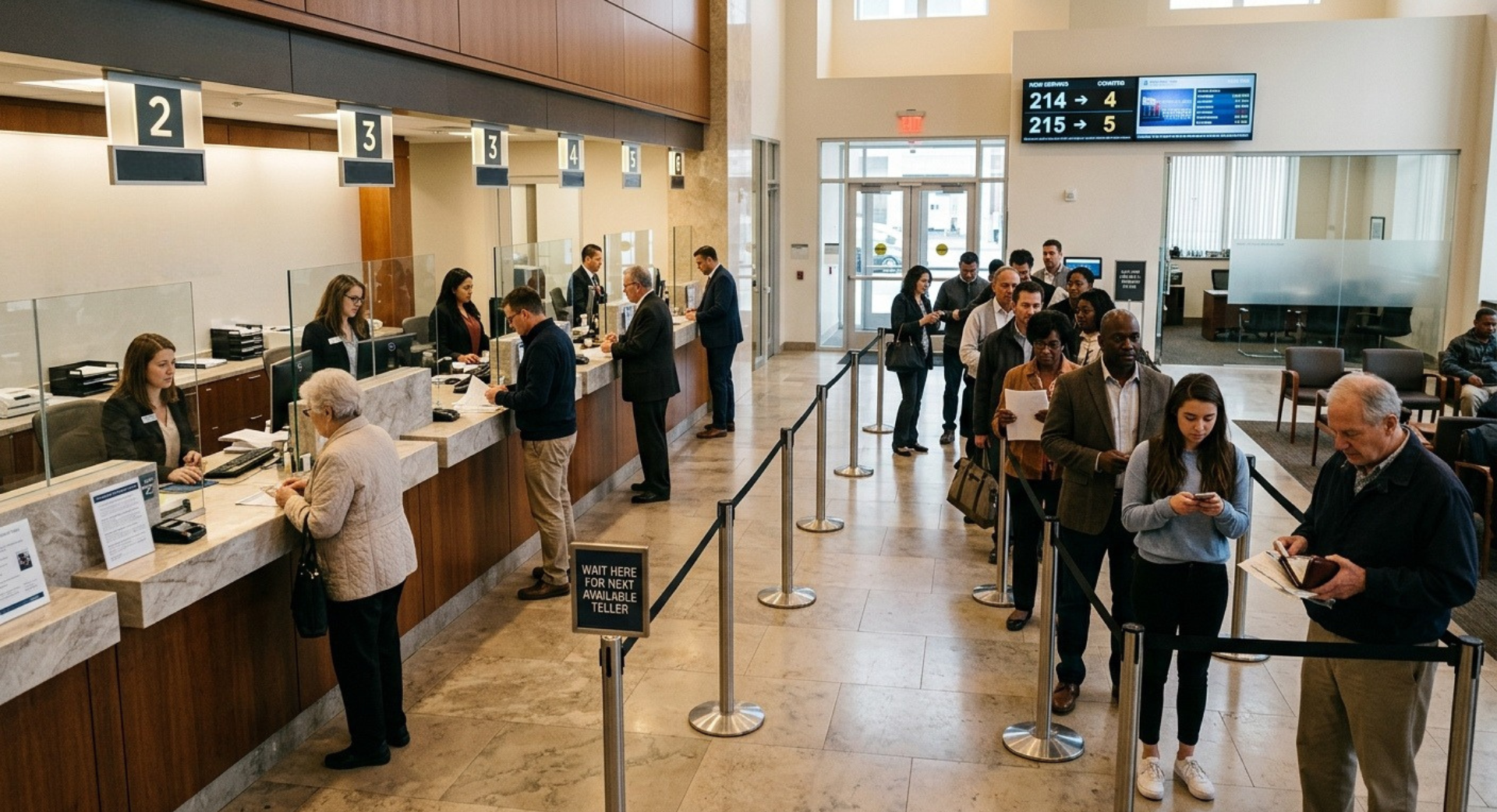
Plan Cleaning, Staffing and Capacity Around Real Use, Not Estimates.
DICE measures how many passengers and visitors move through concourses and gates, so cleaning schedules, staffing plans and capacity investments are based on how the facility is actually used.
- Continuous counts through concourses and gates
- Usage patterns for staffing and cleaning schedules
- Capacity decisions backed by real data
Spot the Customers Who Walked In, Saw the Line and Left Before Ordering.
Compare DICE walk-in counts with your sales data to find the gap: customers who came in but didn't order because the wait was too long. That gap is revenue you can win back with better staffing and line management.
- Walk-in traffic compared with sales to reveal lost customers
- Pinpoints rush periods where long lines are costing orders
- Data to support staffing changes during busy hours

How It Works
DICE People Counting runs on the same cameras that protect your property. During business hours, the AI counts every entry and exit and turns the totals into trends your operations team can act on. After close, those same cameras feed DICE’s 24/7 live monitoring for intrusion and loss prevention. It’s one camera system and one provider: security after hours and business intelligence during the day.
FAQs
-
No. People Counting runs on video from your existing cameras. You define counting lines and directions per camera — no separate beam counters, thermal sensors, or floor mats to install and maintain.
-
Yes. Counts from several areas or entrances are summed automatically, so a multi-door store or multi-gate facility reports one site-wide footfall figure alongside per-door detail.
-
Trends. People Counting is built for footfall measurement where the pattern over hours, days, and seasons matters more than any single crossing — the data feeds staffing, conversion, and comparison across sites.