

Phone-Walking Detection
Distracted walking in a plant, on a platform or in a stairwell isn’t a minor infraction. Now it gets flagged in real time, right where the risk is.

Heads-down walking in a plant is a collision looking for coordinates. Phone-Walking Detection spots the distracted walker before the forklift, the stairwell, or the platform edge does.
What It Does
Phone-Walking Detection analyzes walking posture and gaze direction to identify people walking while looking at their phones, and sends alerts accordingly. It targets the locations where distracted walking does real damage: crossings, platforms, stairwells, and plant walkways, where a person's attention buried in a screen is a frequent cause of falls and of collisions with vehicles and equipment.
Monitored zones are configurable, so enforcement concentrates on your most hazardous routes rather than blanketing the whole site. The detection is designed to distinguish sustained phone use while in motion from someone briefly checking a device while standing still — so only meaningful events are raised, and the alerts your supervisors receive describe actual risk, not ordinary phone use.
Who Uses It
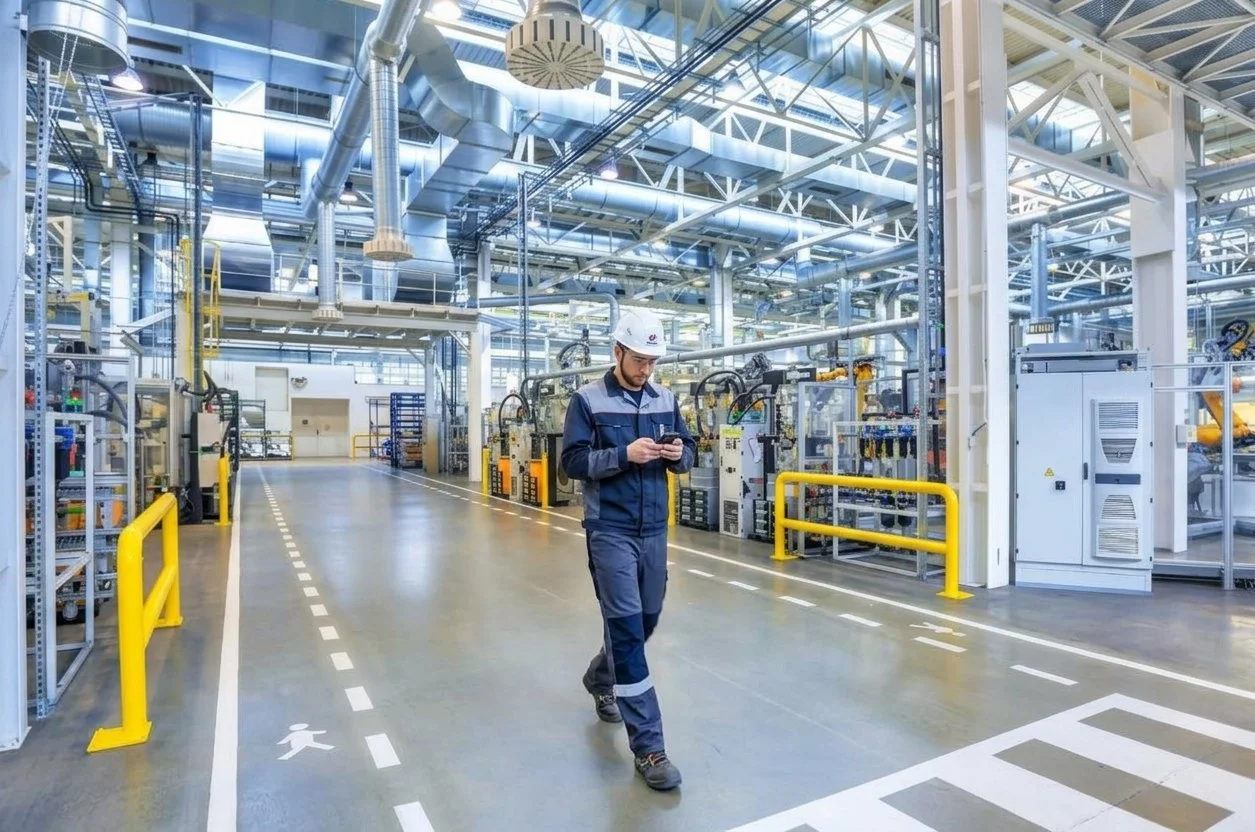
Manufacturing Plants
Walkways cross forklift lanes, crane bays and machine zones. A worker texting through a busy intersection is exactly what DICE catches, while there's still time for an audio talk-down.
- Workers on phones in forklift lanes and crane bays flagged in real time, with an audio talk-down delivered before they reach the hazard
- High-risk intersections monitored continuously, including shift changes when traffic peaks
- Detection data shows which crossings have the most distracted-walking events, so signage and training go where they're needed
Warehouses & Distribution Centers
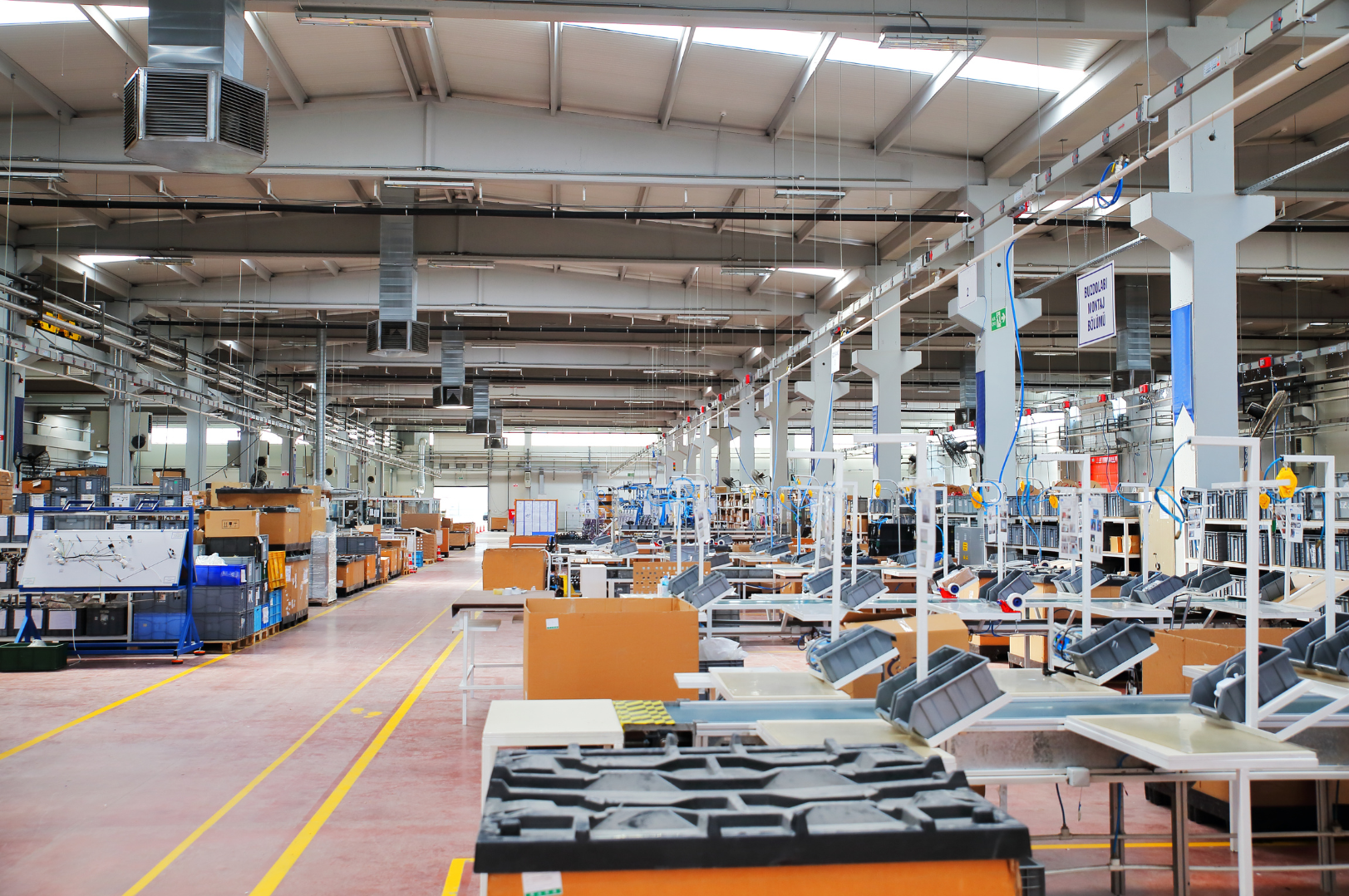
Phones on the floor plus powered equipment in the aisles is a struck-by incident waiting to happen. DICE zone-based detection enforces your phone policy where it actually protects people.
- Phone use flagged in active forklift aisles and dock areas, the zones where distraction is most dangerous
- Pairs with Forklift Detection to monitor both the equipment and the distracted pedestrian in the same zone
- Your policy enforced continuously, not just at shift briefings when everyone is already paying attention

Construction & Industrial Sites
On stairwells, scaffolding routes and elevated walkways, a single distracted step can be dangerous. DICE covers the fall-risk paths that policy signs alone can't.
- Stairwells, scaffolding routes and elevated walkways monitored, the paths where a distracted step can mean a fall
- Real-time alerts, so an audio talk-down reaches the worker before they reach the edge or the step
- Coverage that moves with the site, with zone boundaries updated as scaffolding and routes change

Transit Platforms & Crossings
A pedestrian looking down at a phone near a platform edge or vehicle crossing is seconds from a serious incident. DICE real-time detection gives our operators the chance to step in with an announcement before it happens.
- Platform edges and vehicle crossings monitored, the exact spots where distraction can be deadly
- Alerts reach a DICE operator in real time, so an announcement goes out while the person is still safe
- Detection runs continuously during peak and off-peak hours, because incidents don't wait for rush hour

Safety Managers
Phone policies are hard to enforce with a memo. DICE detection data shows where and when distracted walking actually happens, so enforcement and signage go where the risk is.
- Objective data replaces guesswork, showing which zones, which shifts and how often, not just who got caught
- Enforcement and signage guided by detection patterns instead of gut feel or near-miss reports
- Every event logged with video for incident investigations and policy reviews

How It Works
When someone is detected walking with their eyes on a phone in a monitored zone, DICE flags the event in real time. Supervisors get an immediate alert, and one of our operators can deliver a live audio talk-down over on-site speakers, the fastest way to get a distracted person to look up and pay attention to their surroundings. Every event is logged with video, giving your safety team the data to enforce phone policies in the areas where the risk is highest.

FAQs
-
No. The detection is designed to distinguish sustained phone use while in motion from a person briefly checking a device while standing, so alerts fire on genuine distracted walking, not routine phone checks.
-
Yes. Monitored zones are configurable, so you can focus on crossings, stairwells, platforms, and walkways that intersect vehicle routes — the places where distracted walking turns into injury.
-
The AI analyzes walking posture and gaze direction together — the characteristic heads-down, device-focused pattern of phone-walking — rather than simply detecting that a phone is present.