
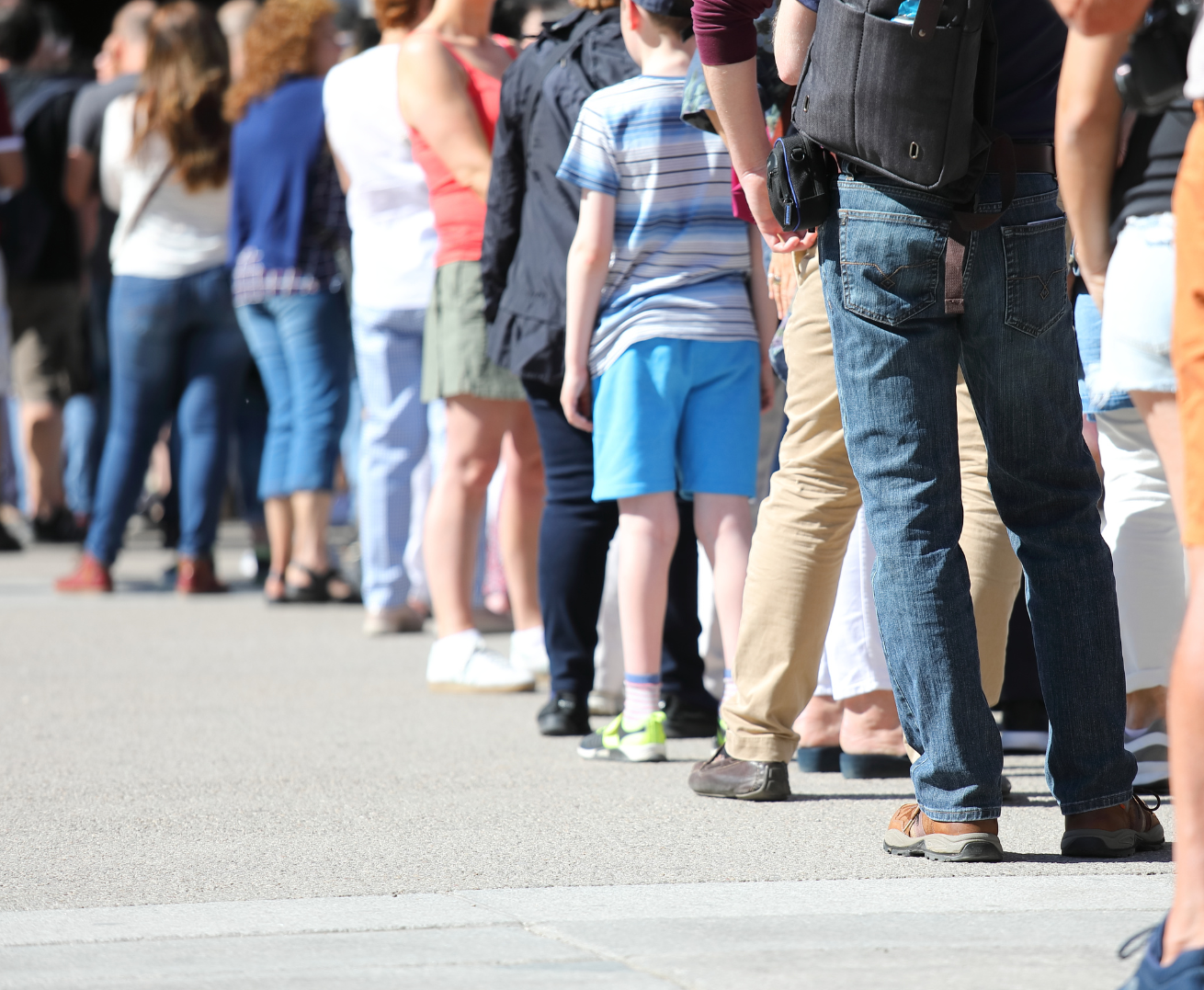
Queue Management
Counting the queue before it costs you a customer.

Customers don't complain about long lines. They just leave. Queue Management counts who's waiting and how long — so you open the next lane before the queue costs you the sale.
What It Does
Queue Management continuously tracks how many customers are waiting and how long each one is taking to be served. That gives store and branch managers a live measure of service load. Instead of a gut feeling from glancing at the front end, they get real numbers: six people in line, a four-minute average wait, and trending up.
Queue areas are set up for each counter or lane, and the system reports both current queue length and total waiting time. You set the thresholds that match your service standards. When a line starts to build, staff can be moved where they’re needed, like opening a second register or pulling a teller from back-office work, before customers give up and leave their carts behind or take their deposits elsewhere.
Who Uses It
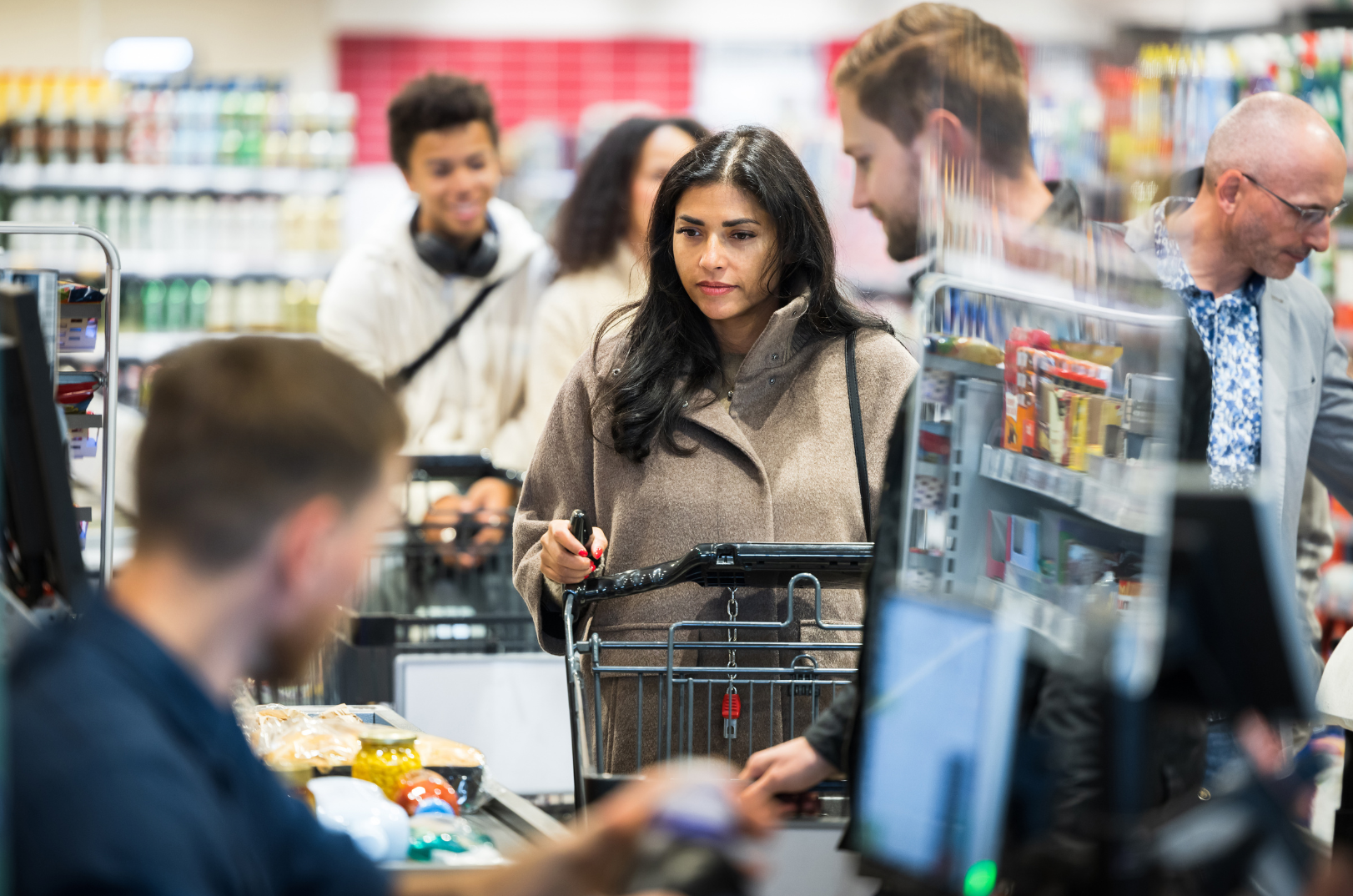
The Abandoned Cart by the Magazine Rack Is a Basket You Paid to Attract.
Live queue counts for each lane tell the front-end lead exactly when to call a backup cashier, before a shopper decides the wait isn't worth it and leaves their cart behind.
- Live queue length for each lane, updated continuously
- Alerts when a lane exceeds your service threshold
- Act before the abandoned cart, not after
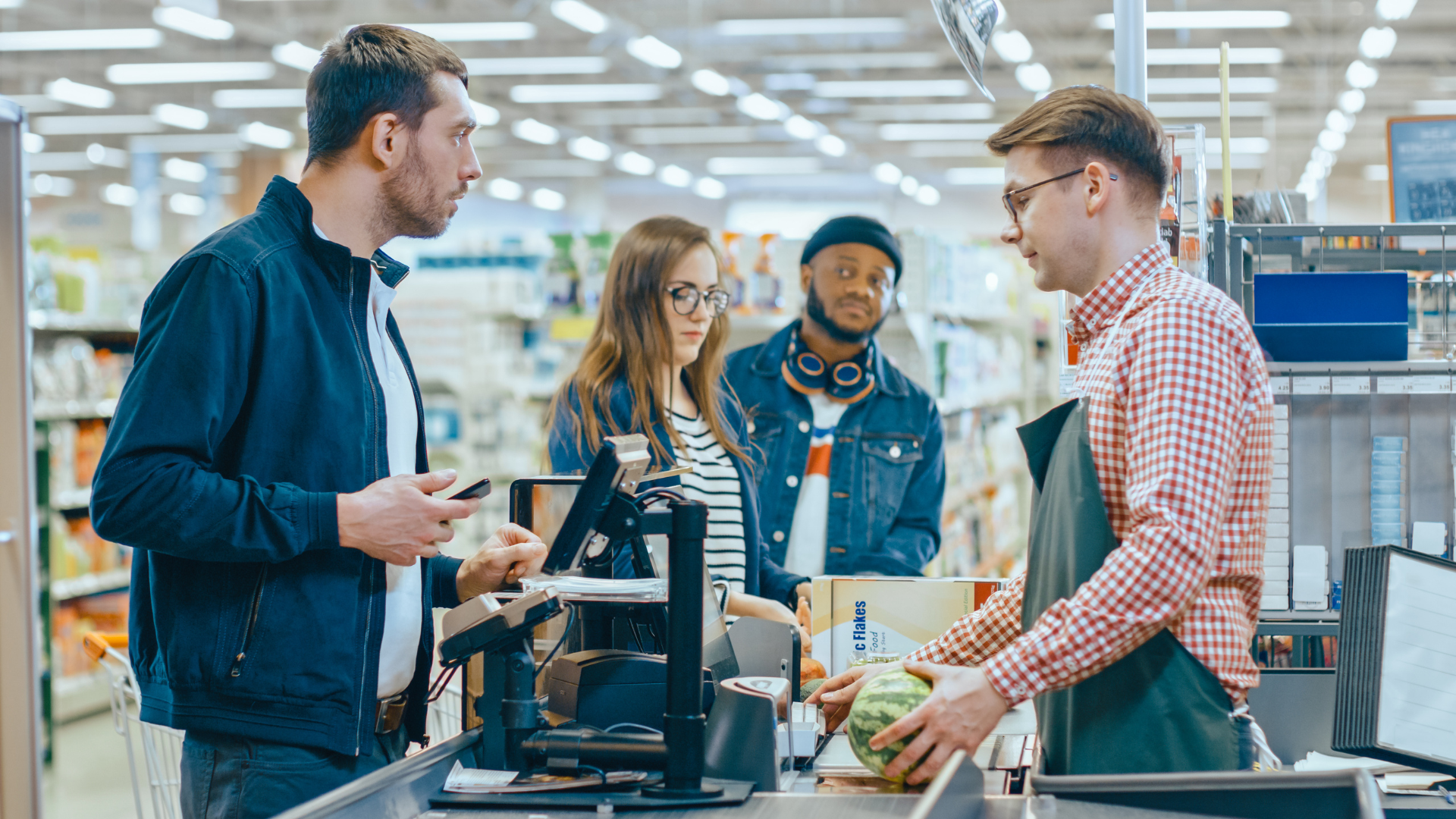
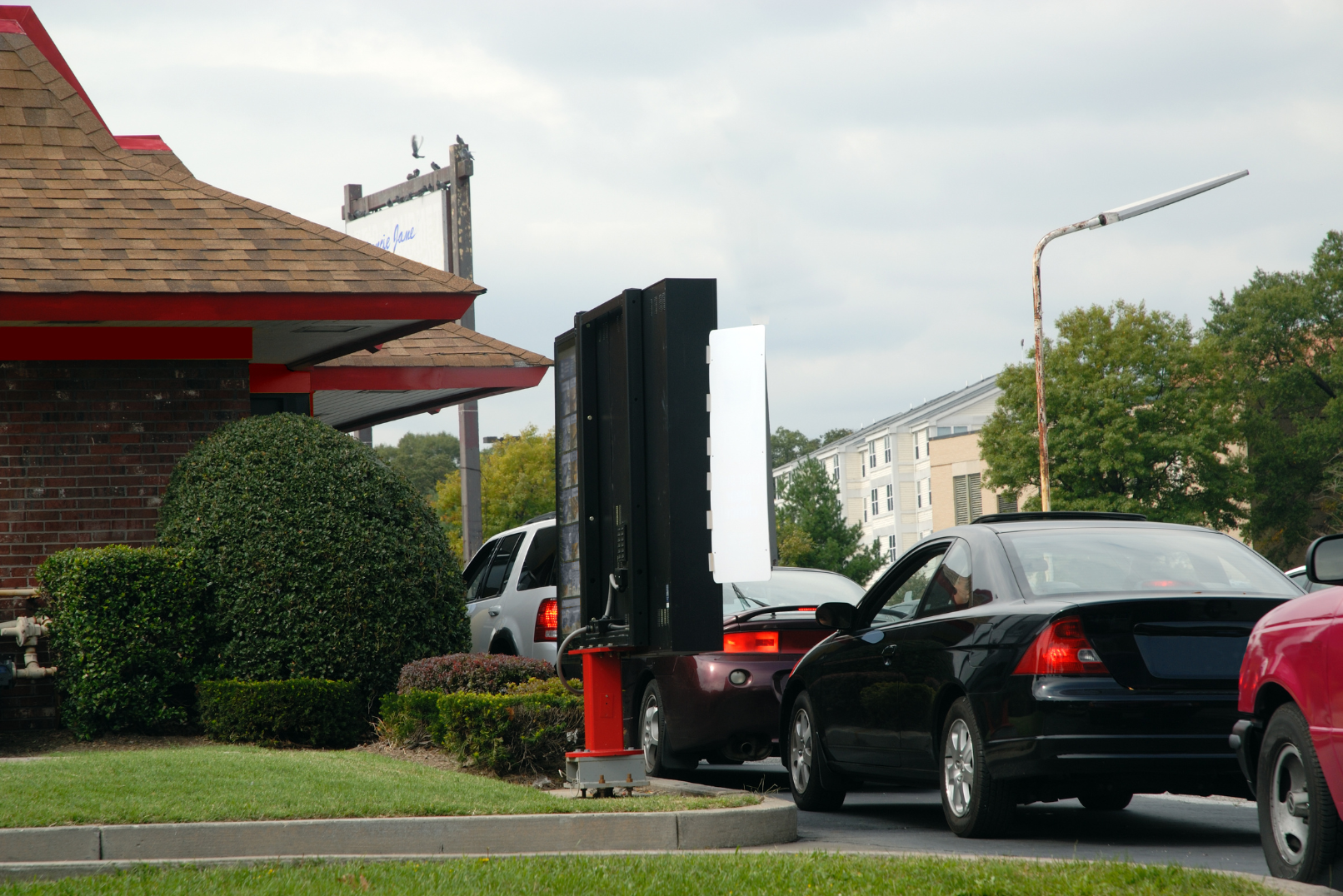
At Lunch Rush, Every Extra Minute in Line Is a Walk-Away at the Door.
Wait-time data by daypart shows where throughput breaks down, whether it's the order point, pickup, or drive-through handoff. That way you fix the right bottleneck instead of just adding more staff everywhere.
- Wait-time data by daypart across every service point
- Identify whether the bottleneck is at order, pickup, or handoff
- Reduce walk-aways during peak hours with targeted staffing
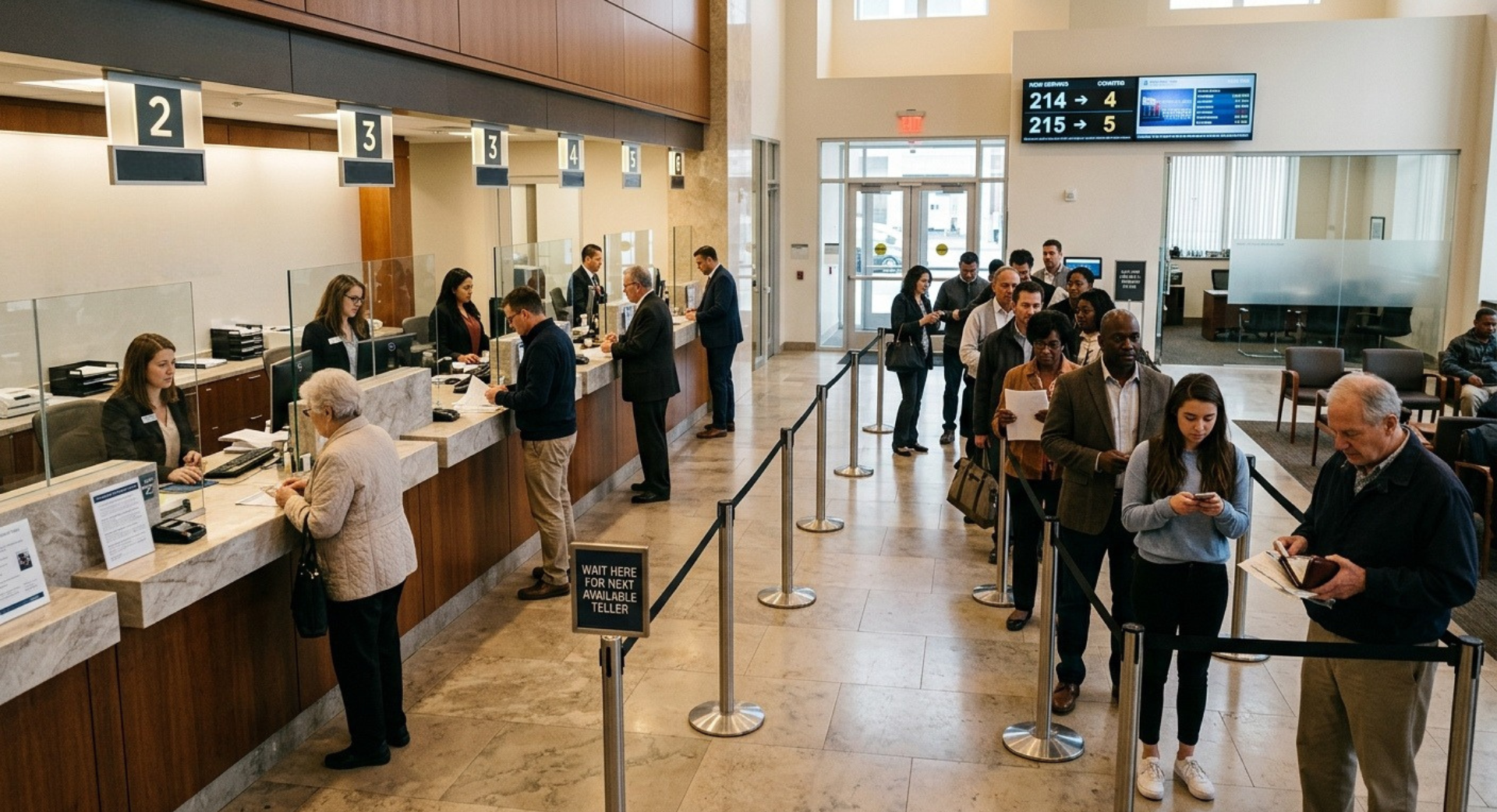
Teller-Line Wait Time Is a Service Metric Executives Track. Now You Can Too.
Queue data for each counter documents service performance branch by branch, and gives managers the evidence to justify staffing changes before long waits turn into a pattern of complaints.
- Queue length and wait-time data for each counter
- Branch-by-branch performance documentation
- Data to justify staffing changes before complaints arrive
The 5:30 p.m. Pickup Rush Is Predictable, If You Can See It Coming.
Historical queue patterns let managers schedule a second pharmacist exactly when the wait builds. Staffing is based on what the data shows happens every day, not on last year's schedule.
- Historical queue patterns by time of day and day of week
- Schedule staffing around when the wait actually builds
- Live alerts when the pickup counter exceeds your threshold

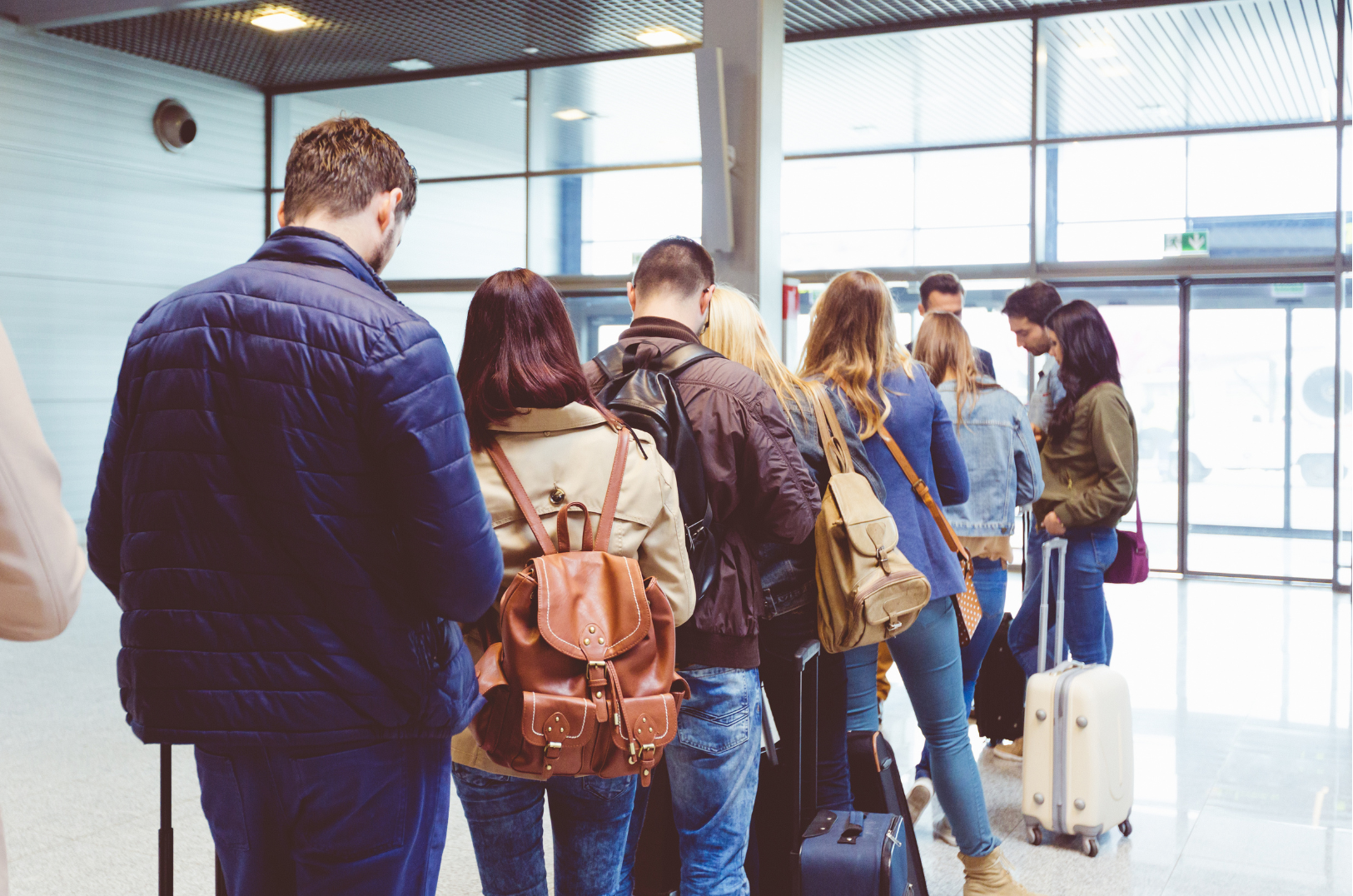
Open More Positions Before Lines Back Up Into Walkways.
Monitor gate, ticket-window, and concession lines in real time so staff can open more positions before a backed-up line spills into walkways and creates a safety or customer experience problem.
- Real-time queue monitoring at gates, windows, and concessions
- Alerts before lines back up into walkways and common areas
- Covers transit stations, arenas, airports, and ticketed venues
How It Works
Queue Management runs on the same DICE-monitored cameras that already watch your front end. During business hours, it gives managers live queue length and wait-time data they can act on minute by minute. After close, those same cameras switch to 24/7 live security monitoring by DICE’s operators. Business intelligence during the day, protection at night.

FAQs
-
Yes. Queue areas are configured per counter or lane, so a ten-lane front end or a three-window branch reports each queue independently — and managers see exactly which lane is backing up.
-
Two things that together define service load: the number of customers currently waiting, and the average processing time per waiting customer. Length tells you the line is long; wait time tells you whether it's moving.
-
Thresholds reflect your service standard. When a queue exceeds them, the manager on duty knows to open another counter or redeploy staff — before customers abandon the line, not after.