
Road Pedestrian Detection
Built for the places where a person on foot and a moving vehicle cannot share the same space. Detection fires the moment someone enters, so response starts before they're in danger.

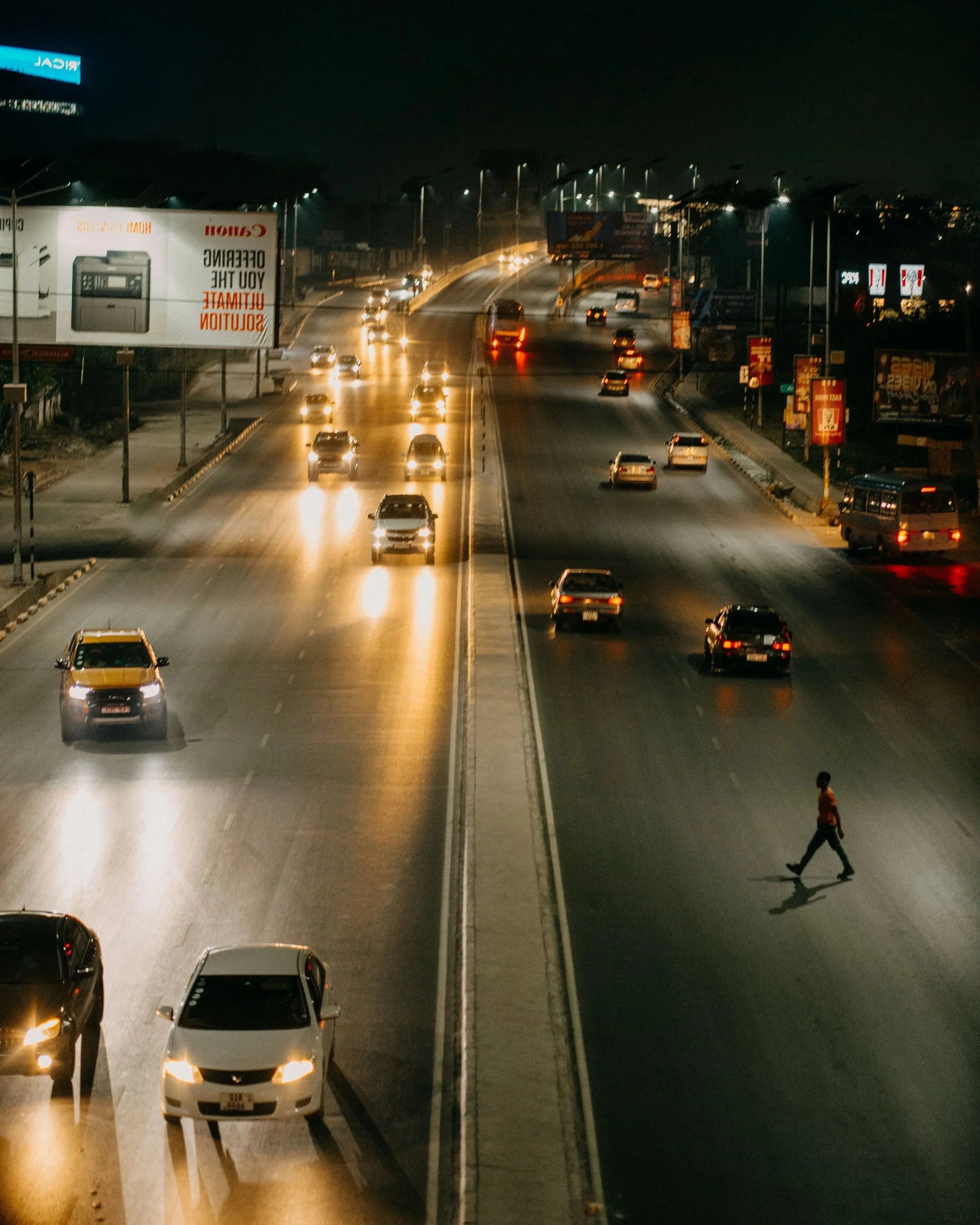
A person on foot in a tunnel or on a highway is minutes — sometimes seconds — from tragedy. Road Pedestrian Detection spots them the moment they enter the roadway, so response starts before impact.
What It Does
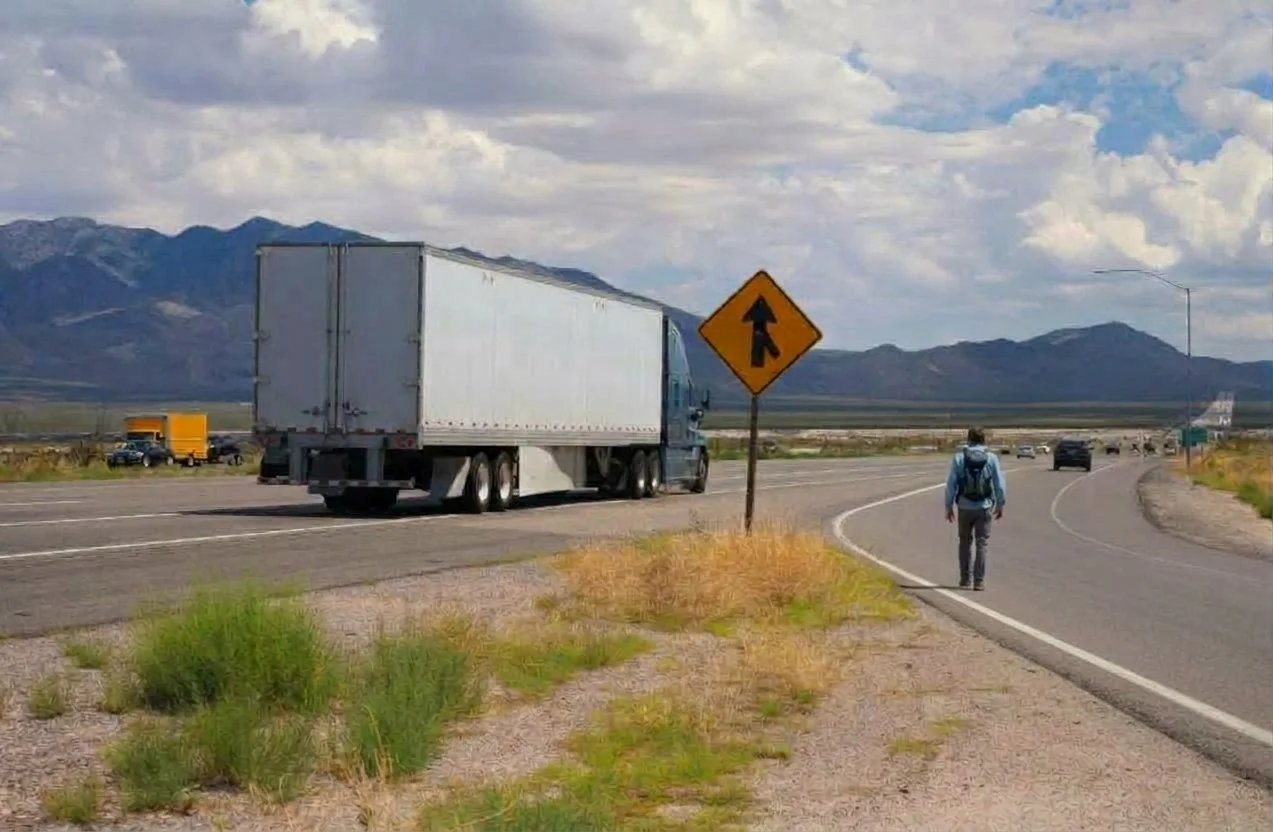
DICE Road Pedestrian Detection identifies people on foot in areas where pedestrians aren’t allowed, like highways, bridges, tunnels and ramps. The goal is time: giving a control center the chance to respond before a pedestrian in the road gets hit. It’s also built for one of the most common causes of these situations, people who have left a broken-down vehicle and are standing or walking in live traffic.
Monitored zones cover the travel lanes and the shoulder separately, so a person on the shoulder and a person in a live lane can be treated with different levels of urgency. A filtering process keeps road crews working in designated areas from setting off constant alerts. That way, the alerts that do go off are real, the kind operators need to act on every time instead of learning to ignore.
Who Uses It
Highway & Toll Road Operators
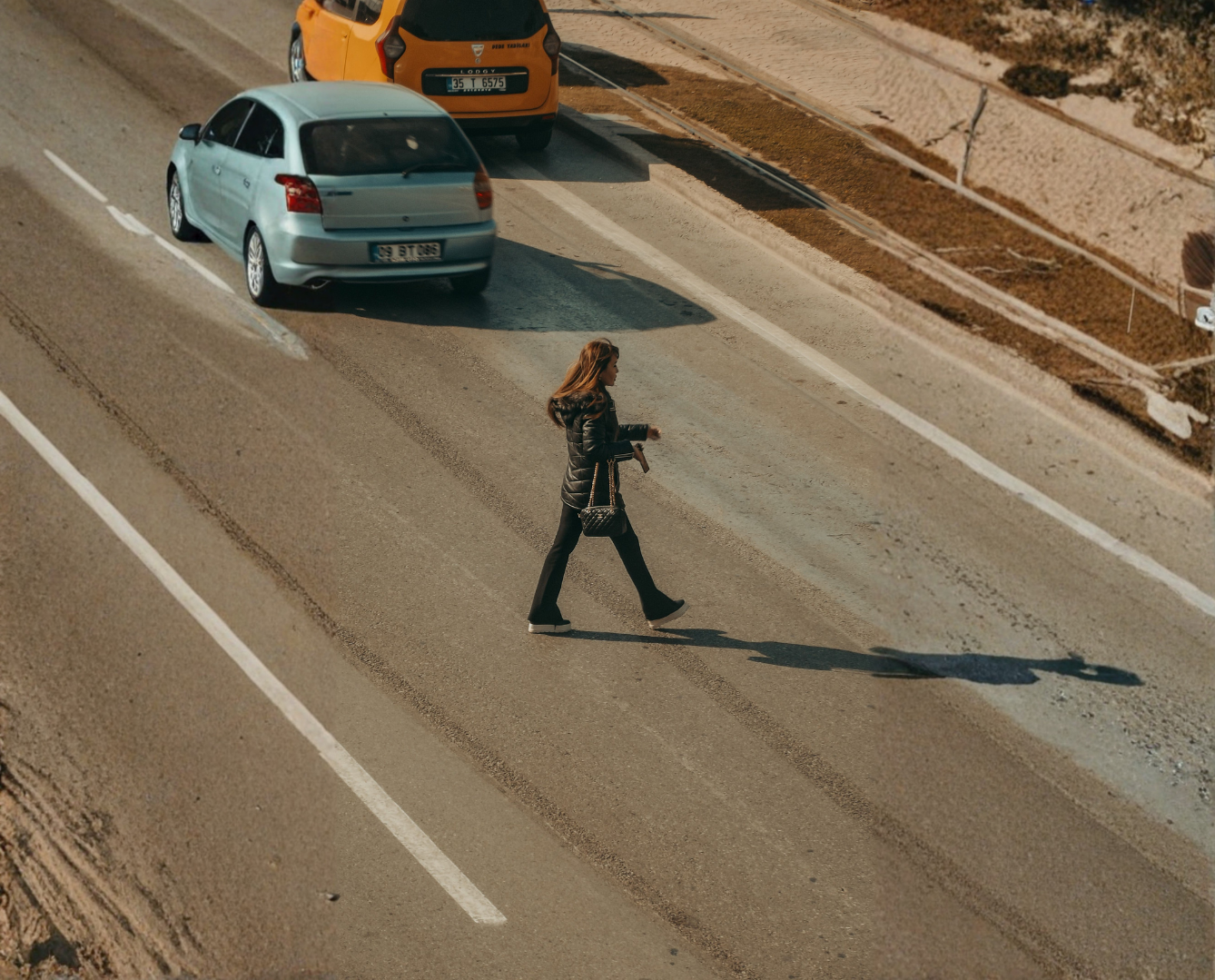
A stranded driver walking along the shoulder toward an overpass is in serious danger. DICE turns that into an immediate control room alert with a location, while there's still time to slow traffic and send help.
- People on the shoulder detected and the control room alerted while traffic can still be slowed
- Location included with every alert, so responders know exactly where to go
- Covers highway shoulders, overpass approaches and areas around toll plazas where people may be on foot

Tunnel Authorities
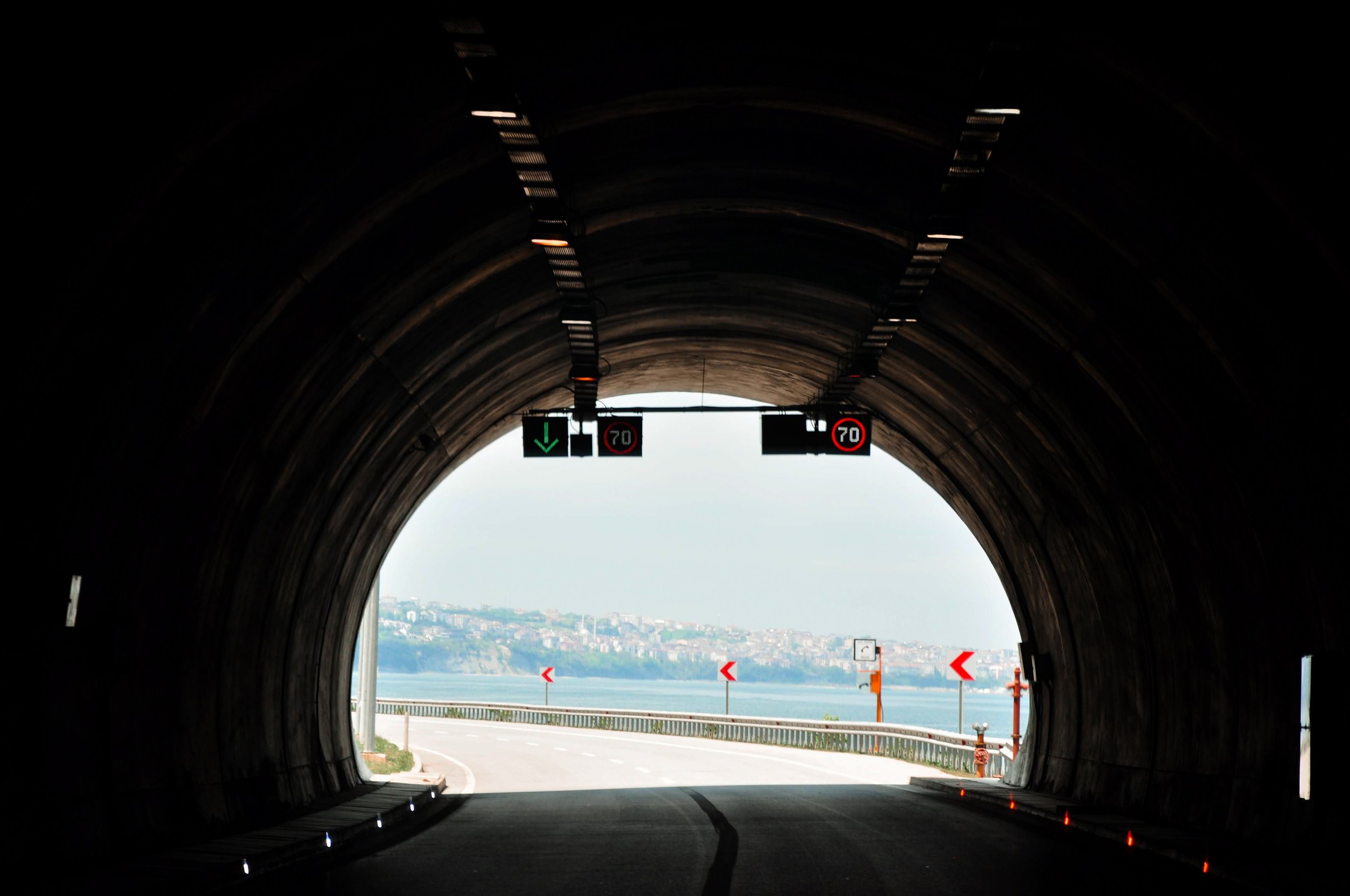
In a tunnel, there's no shoulder to escape to and drivers can't see far ahead. A person detected at the entrance or inside the tunnel calls for immediate warning signs, lane closures and a response.
- A person at the entrance or inside the tunnel triggers immediate warning signs and lane closure procedures
- Drivers can't see far ahead, so the response has to start before they can react
- Covers tunnel entrances, tunnel interiors and emergency access passages
Bridge Operators & Municipalities
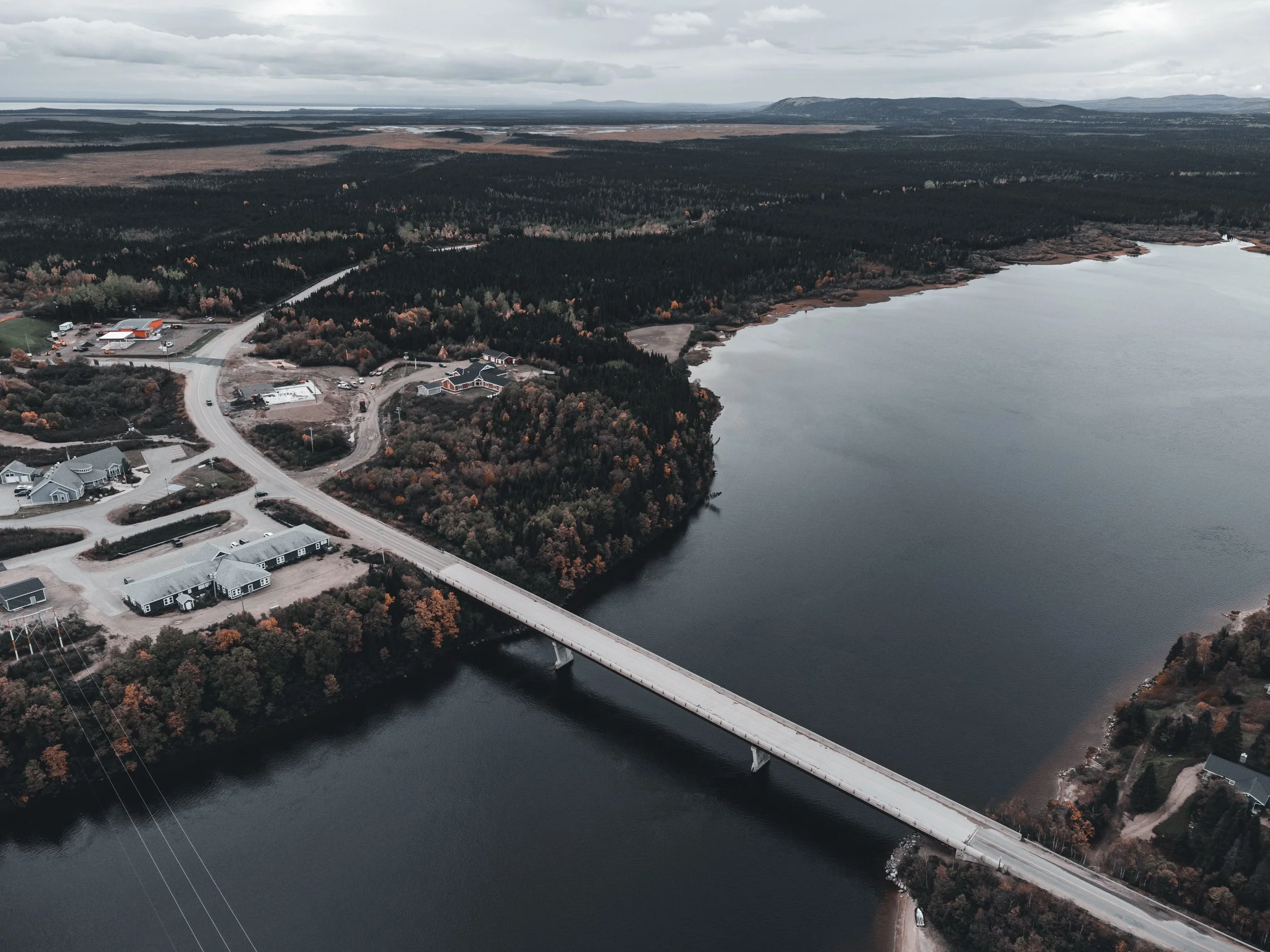
DICE detects people walking onto vehicle-only bridges and approaches, whether they're lost, stranded or in distress, early enough for responders to reach them and help.
- People detected as soon as they step onto the bridge approach, not after they're out on the span
- Early detection gives responders time to reach the person and help
- Covers vehicle-only bridge approaches, on-ramps and restricted bridge areas
Airports & Logistics Campuses
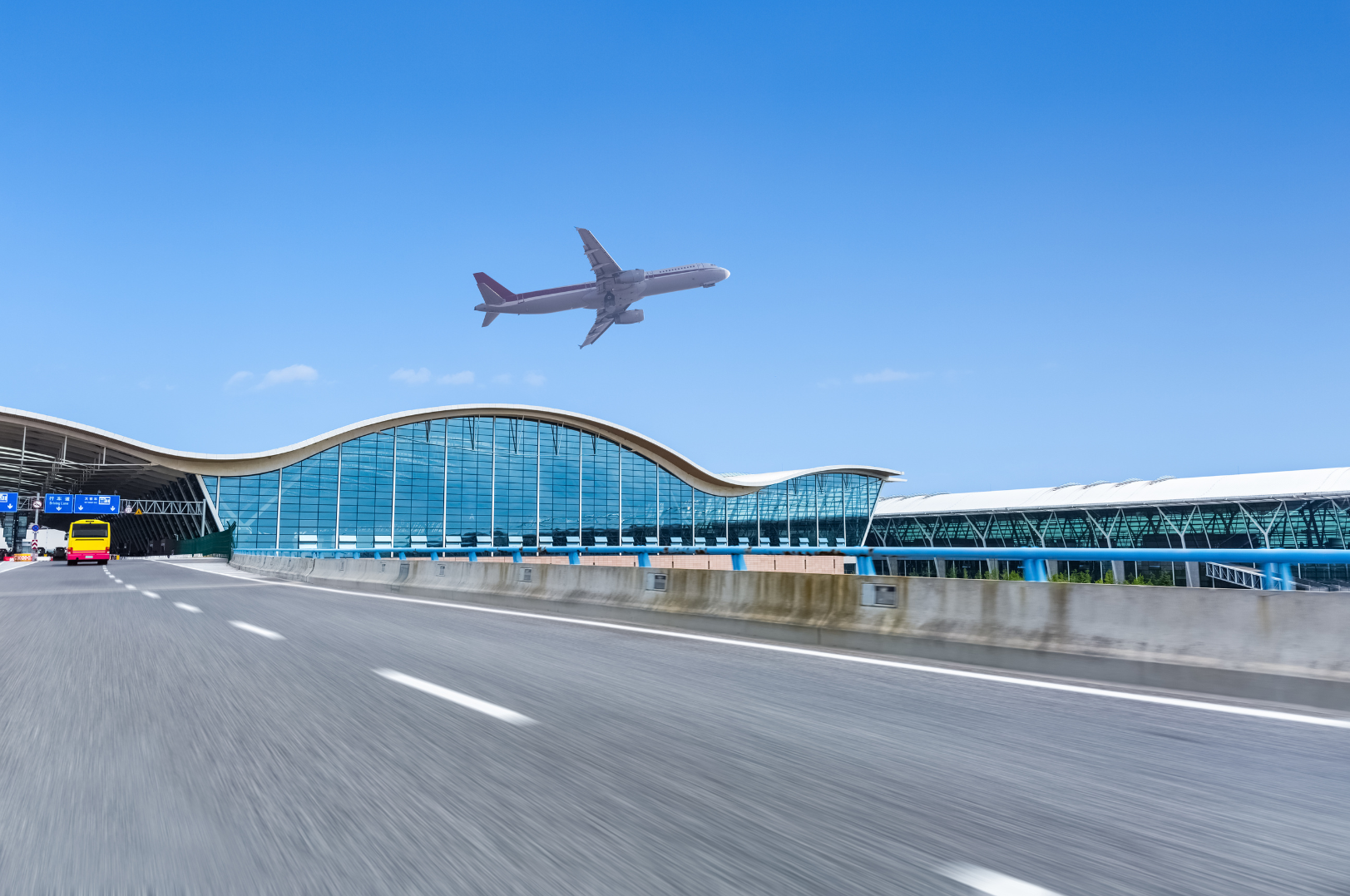
Perimeter roads, ramps and vehicle-only service roads carry fast traffic through places where people sometimes wander. DICE flags the person before a vehicle comes around the curve.
- People in vehicle-only areas flagged before fast-moving traffic reaches them
- Covers perimeter service roads, airport ramps and logistics campus access roads
- Alerts go off in time for an audio talk-down or gate response, not just an incident report afterward
Parking Structures & Campus Operators
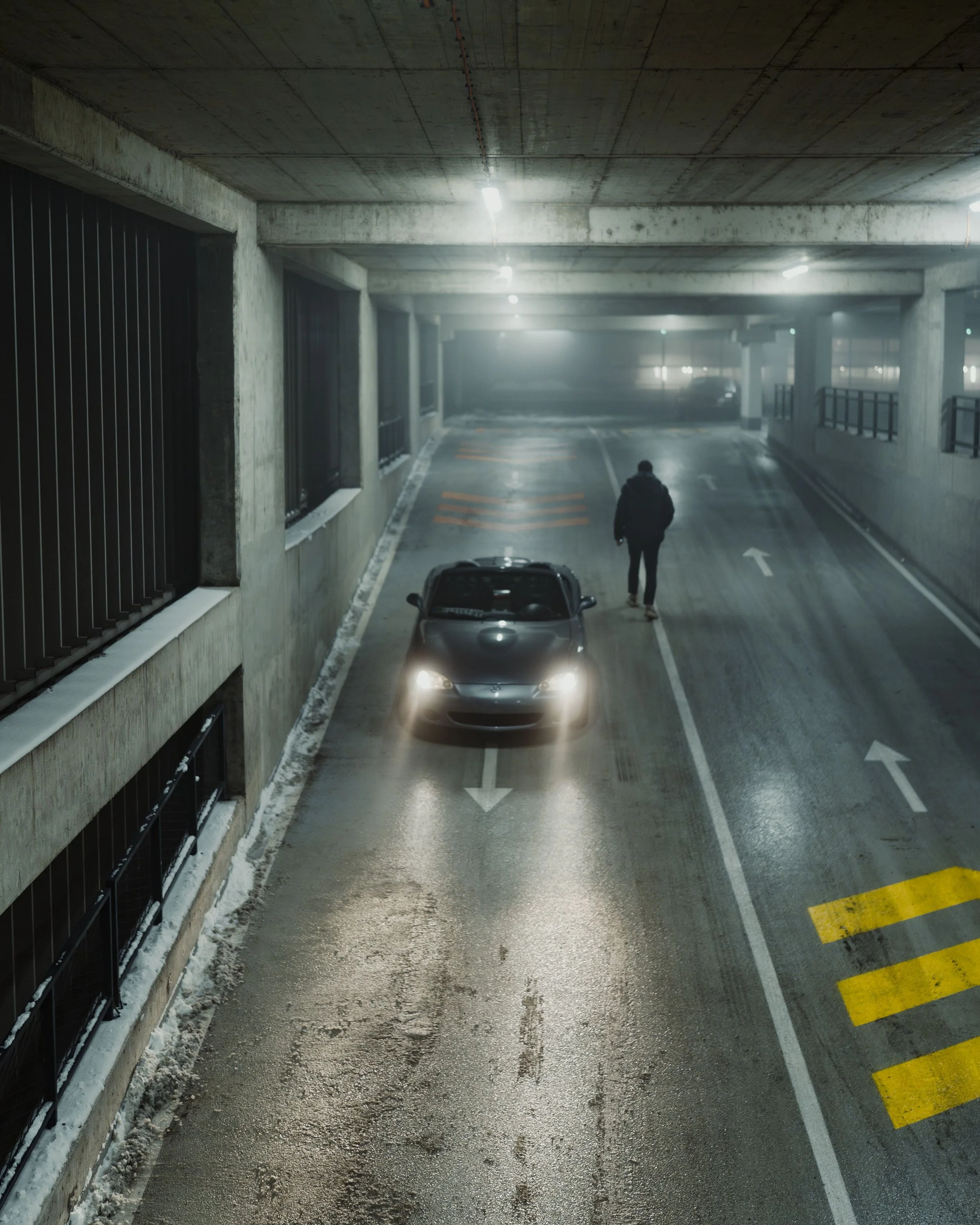
Vehicle-only ramps and blind spiral exits are where people take shortcuts. A DICE alert on someone walking in those lanes helps prevent the collision that signs alone haven't.
- People walking on vehicle-only ramps and spiral exits detected and flagged right away
- Alerts go off before a vehicle comes around the blind curve, something signs alone can't do
- Covers garage ramps, spiral exits and vehicle-only campus roads
How It Works
This is detection where every second is the margin. The moment a pedestrian enters a monitored roadway zone, the event streams to DICE's 24/7 monitoring operators, who assess the live video, issue a live audio voice-down where speakers are available to direct the person to safety, and escalate immediately — alerting your control center or dispatching emergency response, including direct digital 911 delivery. The goal is simple: response is already moving before traffic arrives.
FAQs
-
No. A filtering process is applied so that roadside workers in designated areas do not generate continuous events — alerts are reserved for people who shouldn't be there.
-
Yes. Monitored zones are configured to cover the carriageway and hard shoulder separately, so a person on the shoulder and a person in traffic can carry different urgency.
-
The event reaches DICE's live monitoring operators immediately. They verify on live video and escalate — voice-down where speakers exist, notification to your control center, and emergency dispatch including direct digital 911 delivery when a life is at risk.