
Stopping Detection
Real-time alerts for vehicles and people that have been still too long.
Stopping Detection
Real-time alerts for vehicles and people that have been still too long.

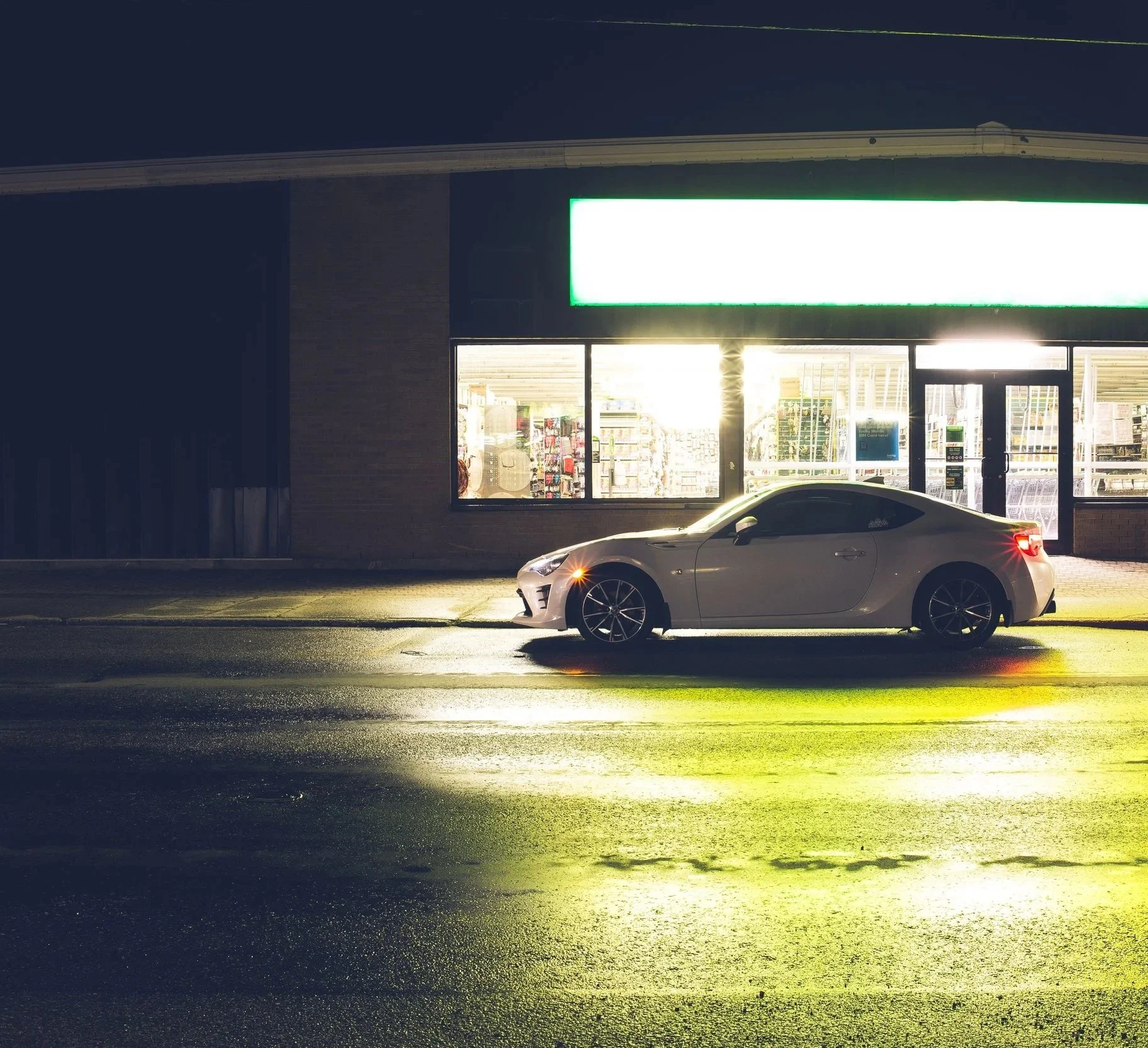
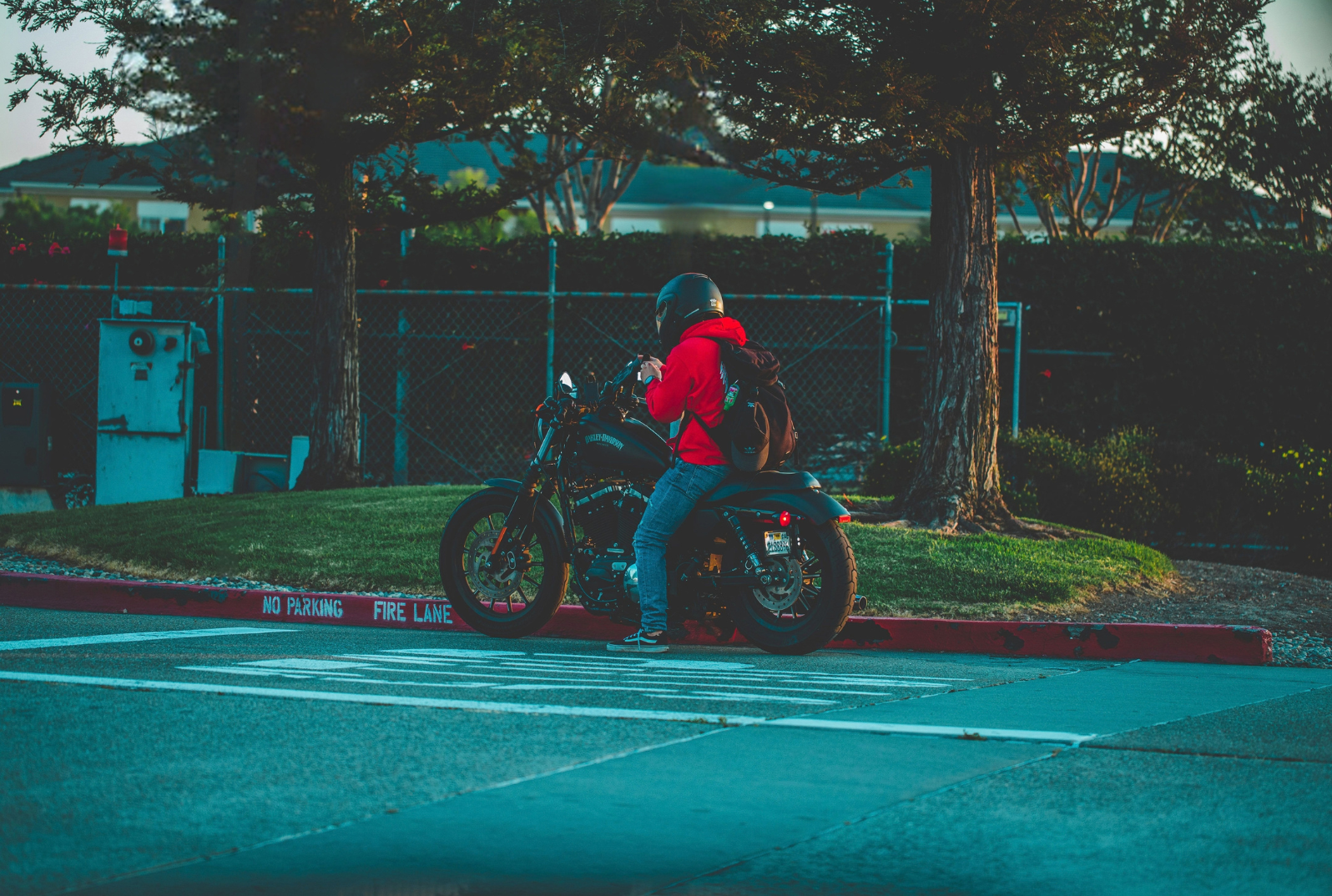
A car stopped in the fire lane. A person standing still in a stairwell. Movement is normal; stopping is the signal. DICE Stopping Detection catches it in real time.
What It Does
DICE Stopping Detection identifies people and vehicles that have stayed stopped longer than a time you set. It covers the situations where standing still is the problem itself: illegal parking, breakdowns, blocked fire lanes, and people stopping in places where they should keep moving, like hallways, stairwells and drive aisles. Instead of finding the blocked lane during an emergency or reviewing footage after a complaint, you get the alert while the vehicle is still sitting there.
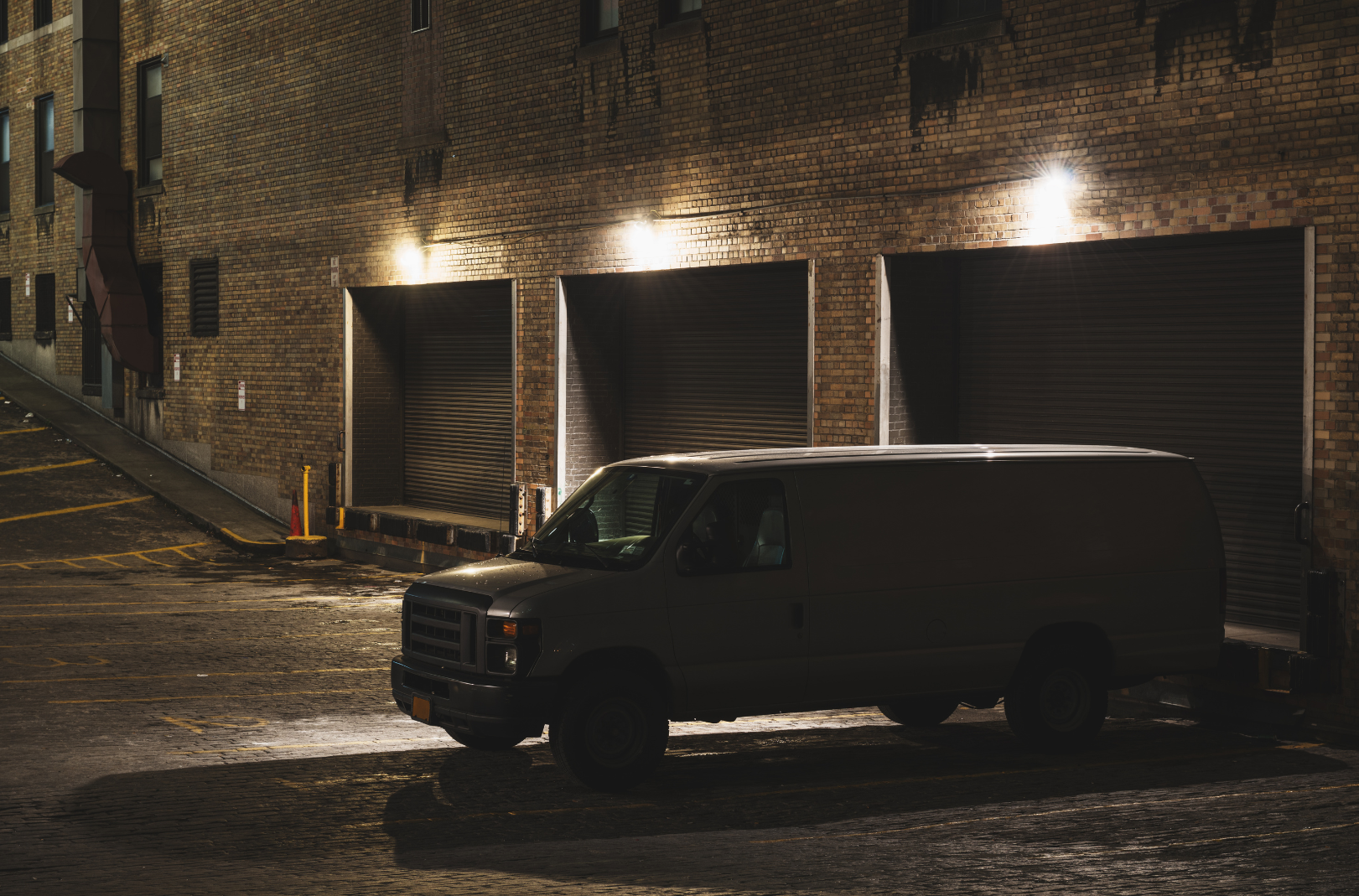
You set how long something can stay stopped before an alert goes out, and you set it separately for each zone. A car pausing at a stop sign or a person tying a shoe never creates noise, but the van that’s been parked against your gate for eight minutes does. Different zones can have different time limits, so one camera can enforce a strict rule for the fire lane and a more relaxed one for the loading area at the same time.
Who Uses It
Keep Fire Lanes, ADA Spaces and Loading Docks Clear Without Patrolling the Property Every Hour.
DICE sends alerts while the violation is still happening, when an audio talk-down can still get the vehicle moved. You'll no longer find a blocked fire lane during an emergency or hear about a loading dock problem after the fact. The alert arrives in real time, while the problem can still be fixed.
- Real-time alerts for fire lane, ADA space and loading dock violations
- Live talk-down while the vehicle is still sitting there
- No patrols needed, with continuous coverage across the property

A Vehicle Stopped Along the Inventory Rows After Hours Is Setting Up a Theft, Not Shopping.
DICE Stopping Detection flags the idling car before anyone gets out. A vehicle parked along your inventory rows after close isn't lost; it's in position. The alert goes out while the car is still sitting there and there's still time to stop the loss.
- Alerts for vehicles stopped in inventory rows after hours
- Response before anyone gets out of the vehicle
- Coverage for lot lanes, service bays and the rows along the perimeter

A Vehicle Parked Against a Perimeter Fence Is a Classic Warning Sign of a Breach, Not a Coincidence.
DICE puts operator eyes on the vehicle while it's still just a parked car. A vehicle sitting against a fence line or gate approach at a substation or utility site fits a known pattern, and catching it before the people inside act is exactly what Stopping Detection is built for.
- Alerts for vehicles stopped at fence lines and gate approaches
- DICE operators on the scene while it's still a parked car, not an active breach
- Coverage for substations, pump stations and unstaffed perimeter sites

Stopped Vehicles at Gates and Fence Lines Become Verified Video Events, Not Blind Spots in Coverage.
DICE adds vehicle-based event coverage to monitored accounts with no extra hardware. Stopped vehicles at gates, in drive lanes and against fence lines become verified video events that reach operators with live footage attached, closing coverage gaps that alarm signals alone can't see.
- Vehicle-based events added to monitored accounts using existing cameras
- Verified video attached to every stopped-vehicle alert
- Closes coverage gaps at gates, drive lanes and fence approaches

A Vehicle That Stops in the Drive Aisle Instead of Pulling Up to a Unit Is the Pattern That Comes Before a Burglary.
DICE flags vehicles that stop in drive aisles after hours instead of pulling up to a unit. That pause in the aisle is the moment before the bolt cutters come out, and it's when the alert needs to go out to make a difference.
- Alerts for vehicles stopped in drive aisles instead of at units
- Alerts sent in the moments before a lock gets cut, not after
- After-hours coverage with live operator talk-downs

How It Works
When something stays stopped past your time limit, the event goes straight to DICE’s 24/7 monitoring operators. Our operators assess the live scene and act on what they see. They can issue an audio talk-down through on-site speakers to move an illegally parked vehicle or challenge a suspicious stop, and they escalate to dispatch when needed, including direct digital 911 delivery.
FAQs
-
No. Events only fire after an object has been stationary for the period you set per zone, so brief pauses, stop signs, and quick pick-ups pass through silently. Only sustained stops become alerts.
-
Yes. Each zone carries its own stationary threshold, so a fire lane can alert in under a minute while a customer loading area allows fifteen. Zones can also target people, vehicles, or both.
-
Stopping Detection fires on objects that become fully stationary — a parked car, a person standing still. Loitering Detection measures total dwell time in an area even while the subject keeps moving around within it. Many sites run both.