
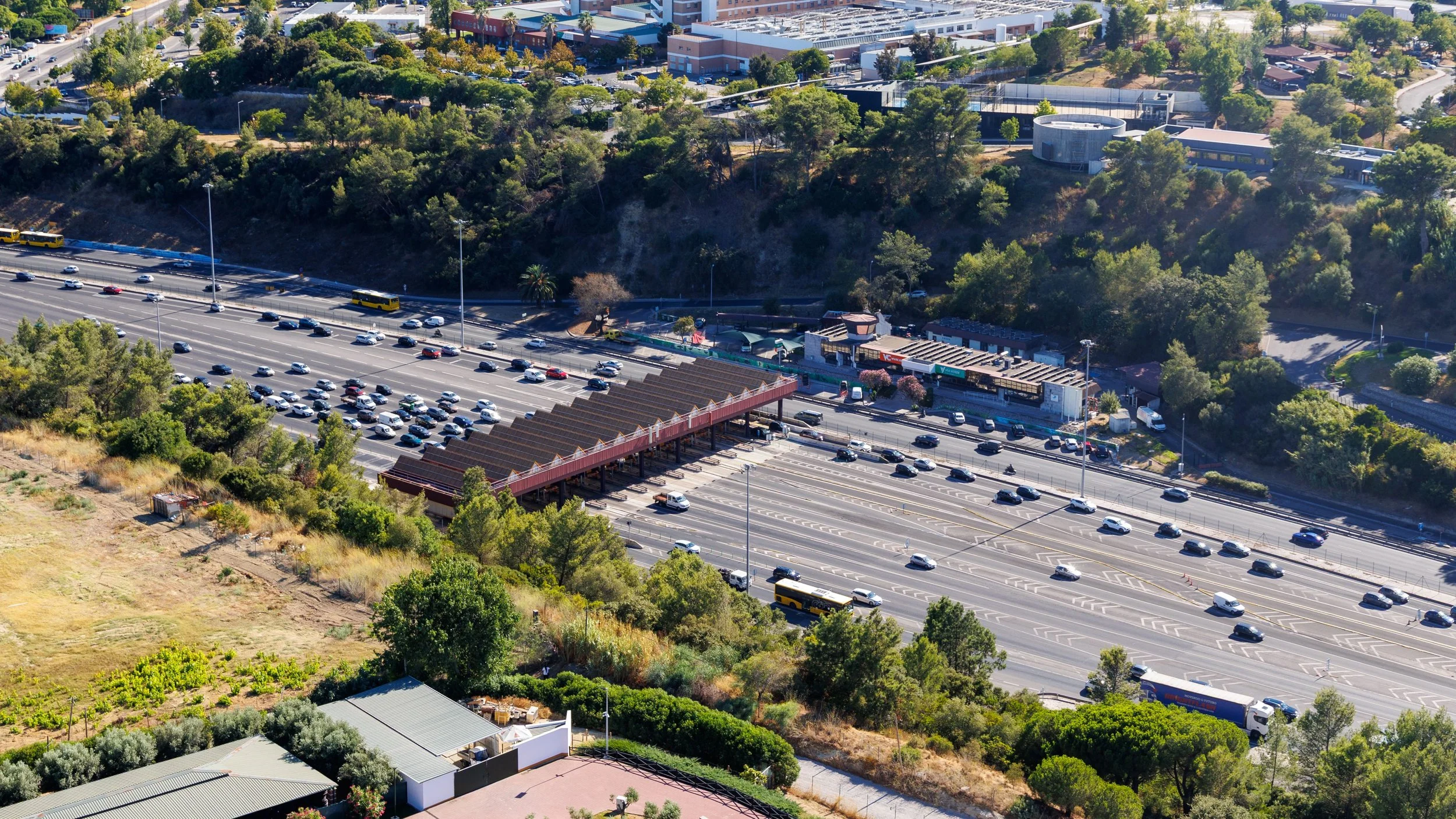
Vehicle Queue Management
Queue length and wait time measured continuously per lane — at drive-thrus, toll plazas, gates, and intersections.

Every car in a line is a customer deciding whether to stay. Vehicle Queue Management measures how many vehicles are waiting and how long — in real time, lane by lane.
What It Does
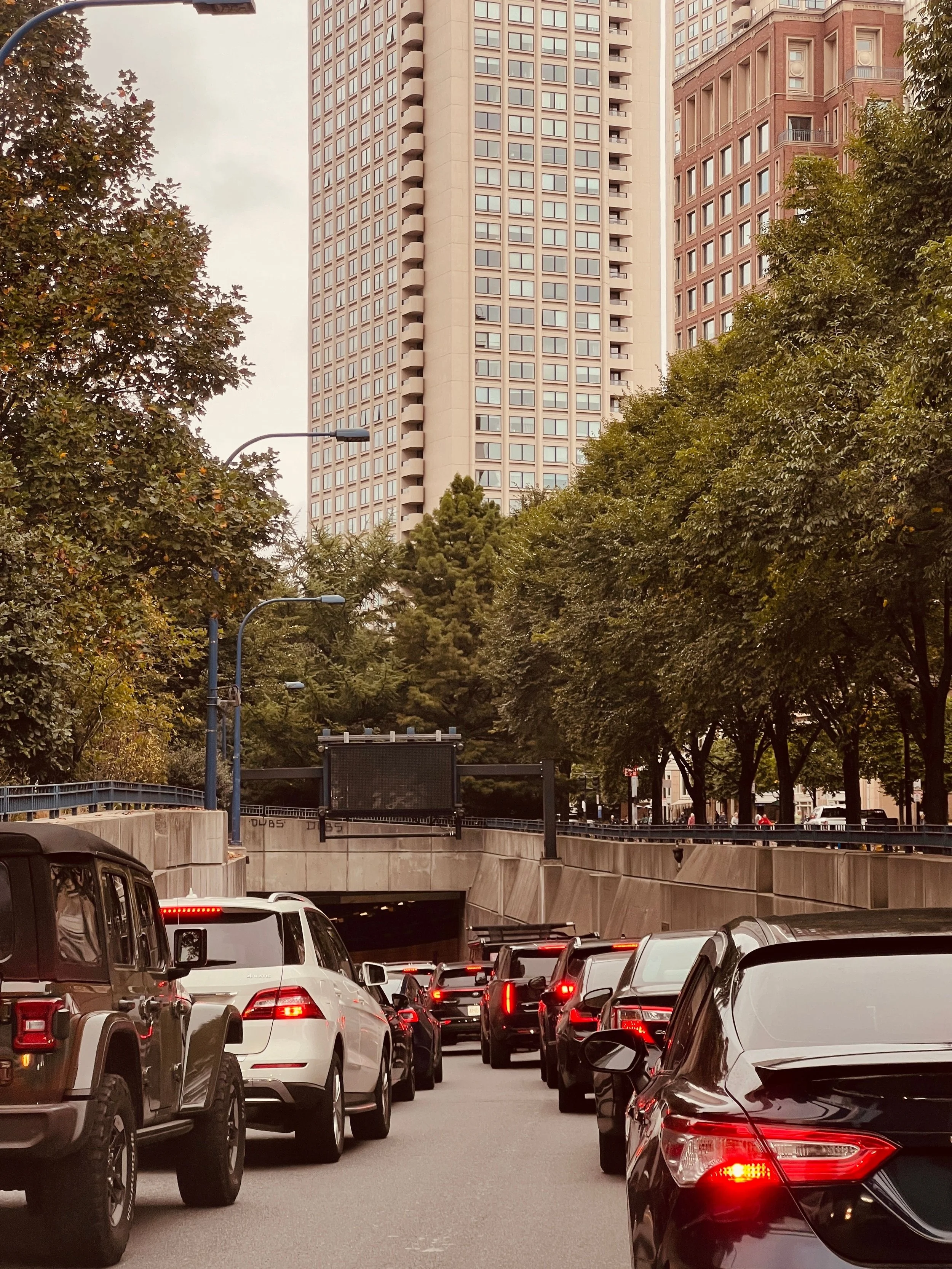
Vehicle Queue Management analyzes vehicle lines — at intersections, drive-thrus, toll plazas, and gates — and delivers two numbers in real time: how many vehicles are waiting, and the total waiting time. It's built for the places where queue length is the measure that matters rather than a simple vehicle count: a hundred cars passing smoothly is a good day, while twelve cars stacked and stopped is a problem right now.
Queue zones are configured per lane, so each drive-thru lane, toll booth approach, or gate lane reports its own line. The measurement is maintained when vehicles move intermittently — stop-and-go creep is reported as a single continuous queue rather than resetting every time the line inches forward, which is exactly the behavior real queues have. Live figures drive immediate decisions like opening a lane, and the history shows where and when your queues actually build.
Who Uses It
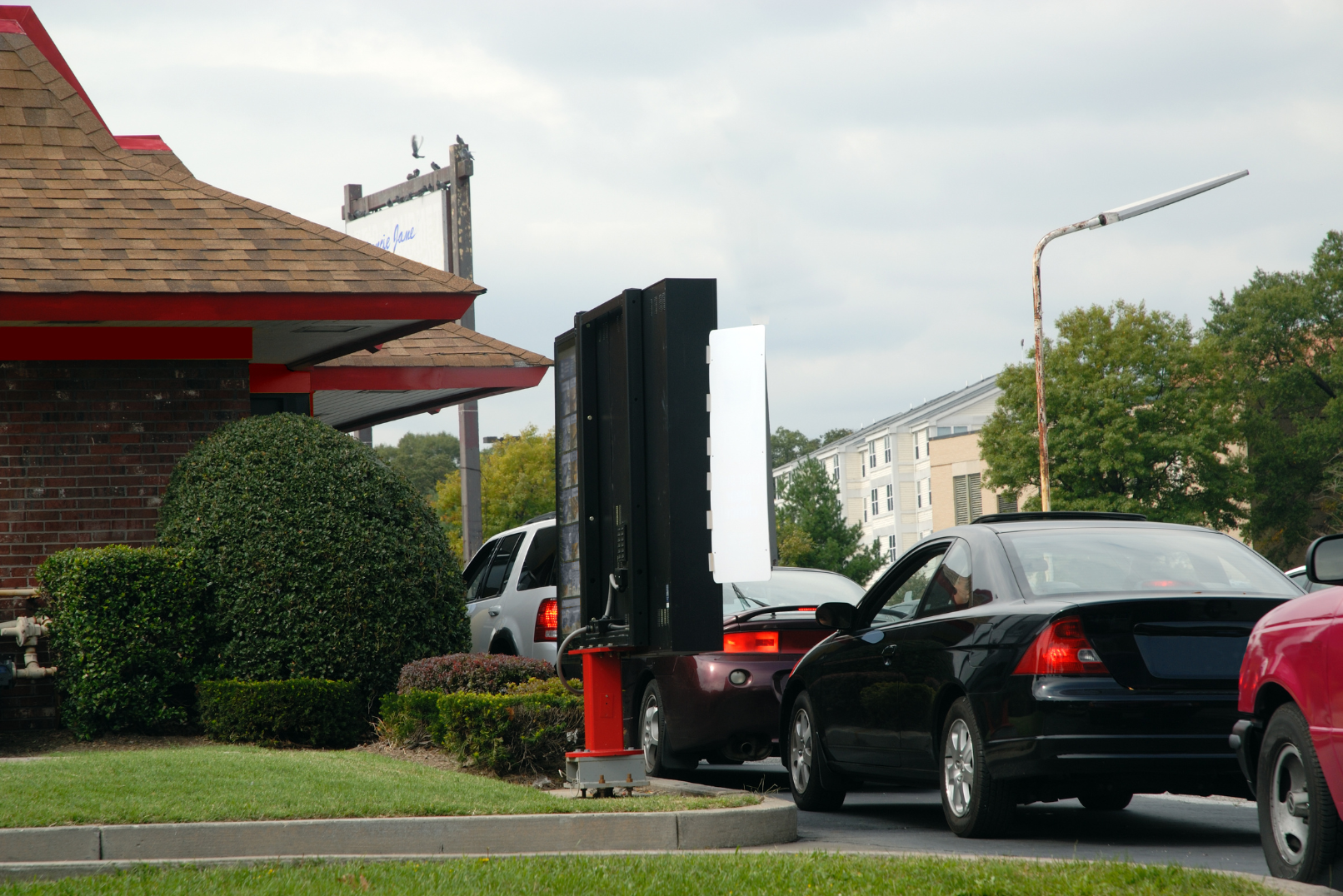
Drive-Thru & Quick-Service Restaurants
The moment the line reaches your limit, DICE lets staff know to open a second window or send someone outside to take orders, before cars start pulling out of line and taking their business elsewhere.
- Line-length alerts get staff moving before drivers give up and leave
- A second window or curbside service opened based on the actual line, not a manager's guess
- Wait-time history shows which times of day need more staff and which are already covered
Municipalities & Traffic Engineers
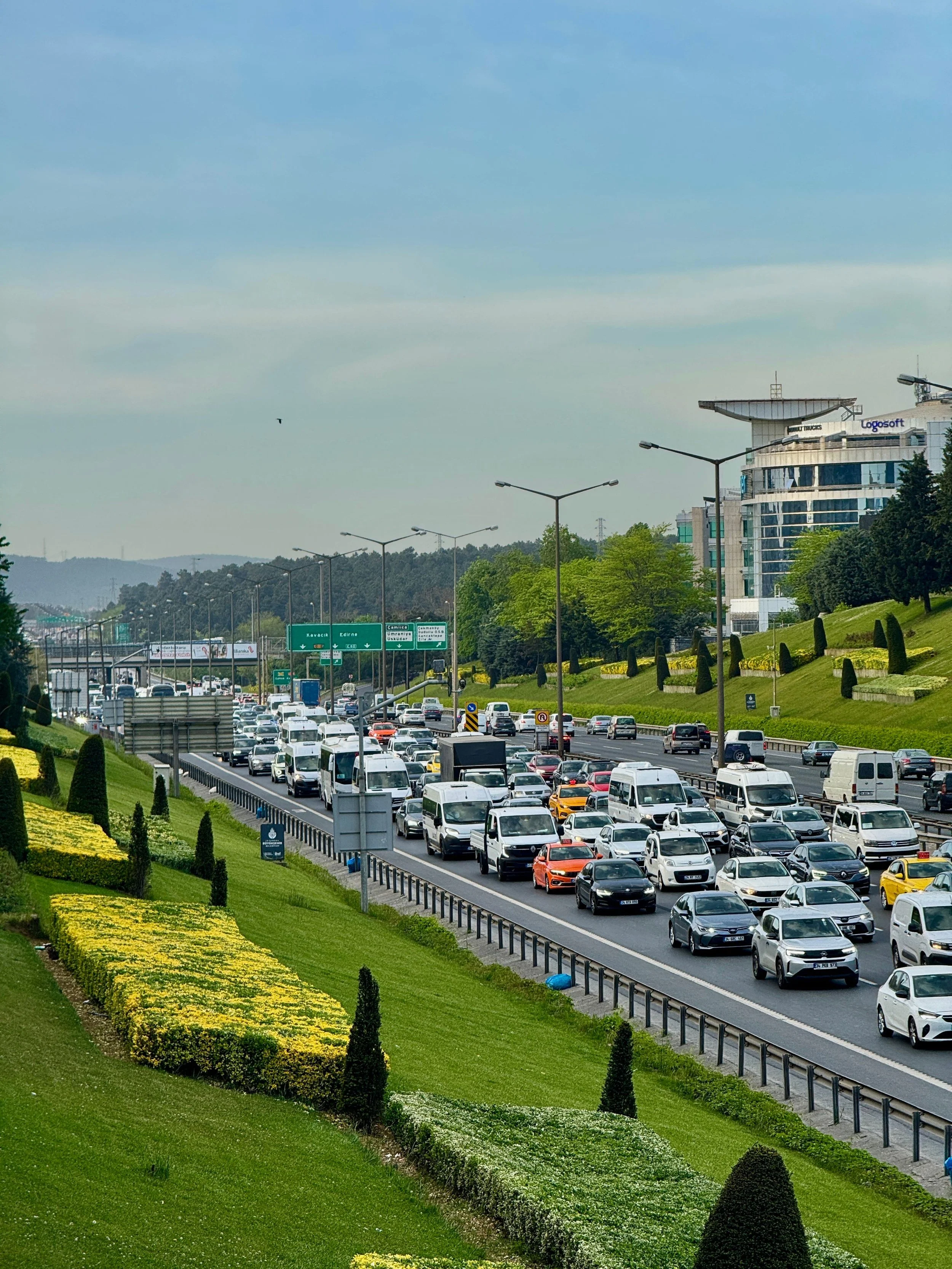
Real-time queue length and wait times at intersections are exactly what traffic signal planning needs. DICE measures them continuously, instead of relying on a one-week study.
- Continuous queue measurement replaces occasional manual studies at key intersections
- Live queue data supports signal timing decisions based on actual traffic, not fixed cycles
- Historical wait-time data supports infrastructure planning and grant applications

Toll & Bridge Operators
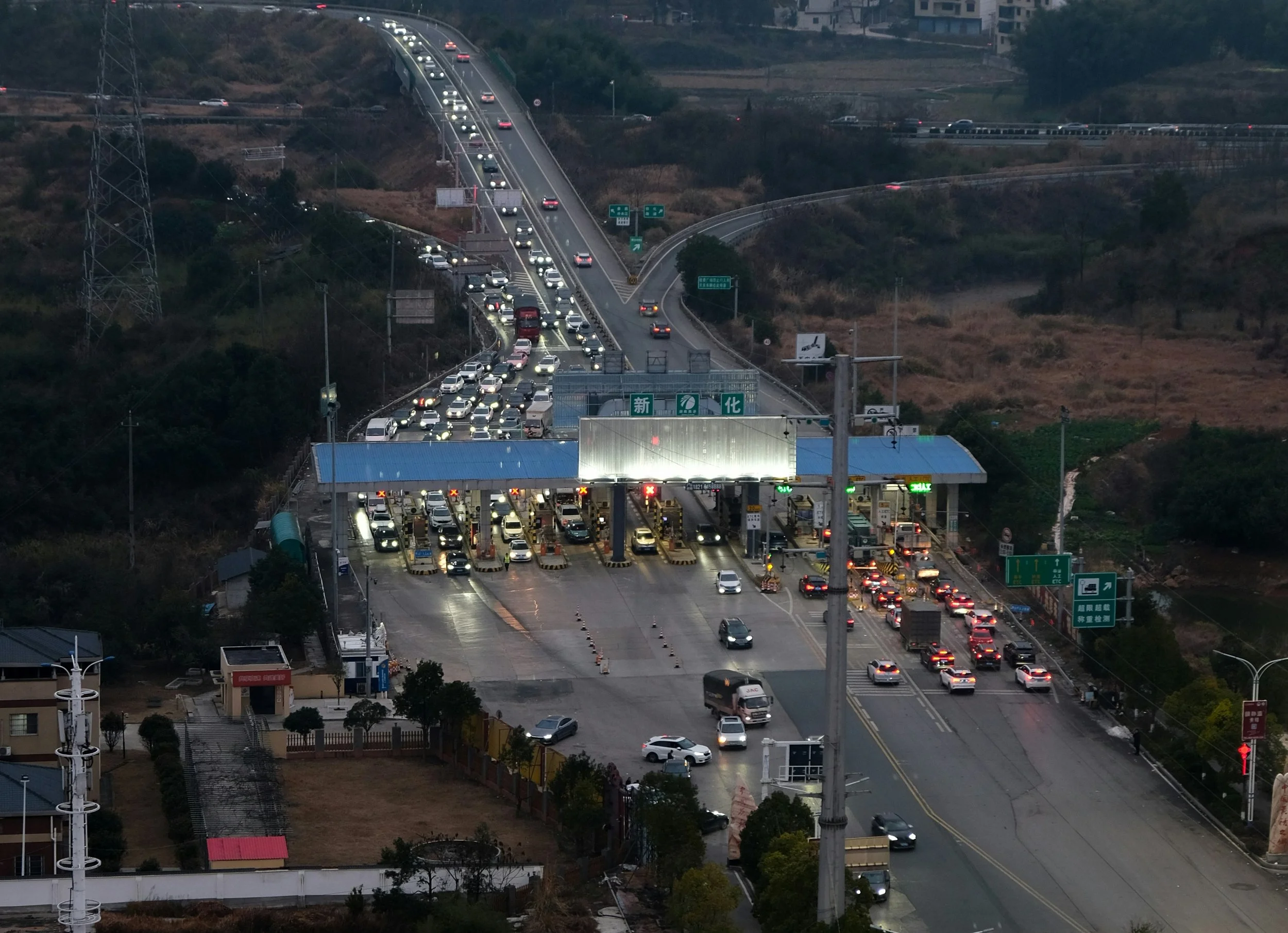
DICE shows lines building in each lane so you can open more lanes before traffic backs up onto the highway. Historical wait-time data documents your service levels for the agencies you report to.
- Lane-by-lane monitoring lets you open more lanes before backups reach the highway
- Wait-time data by lane and time of day documents service levels for regulators
- Historical records support performance reports and the case for infrastructure investment
Logistics Yards & Distribution Centers
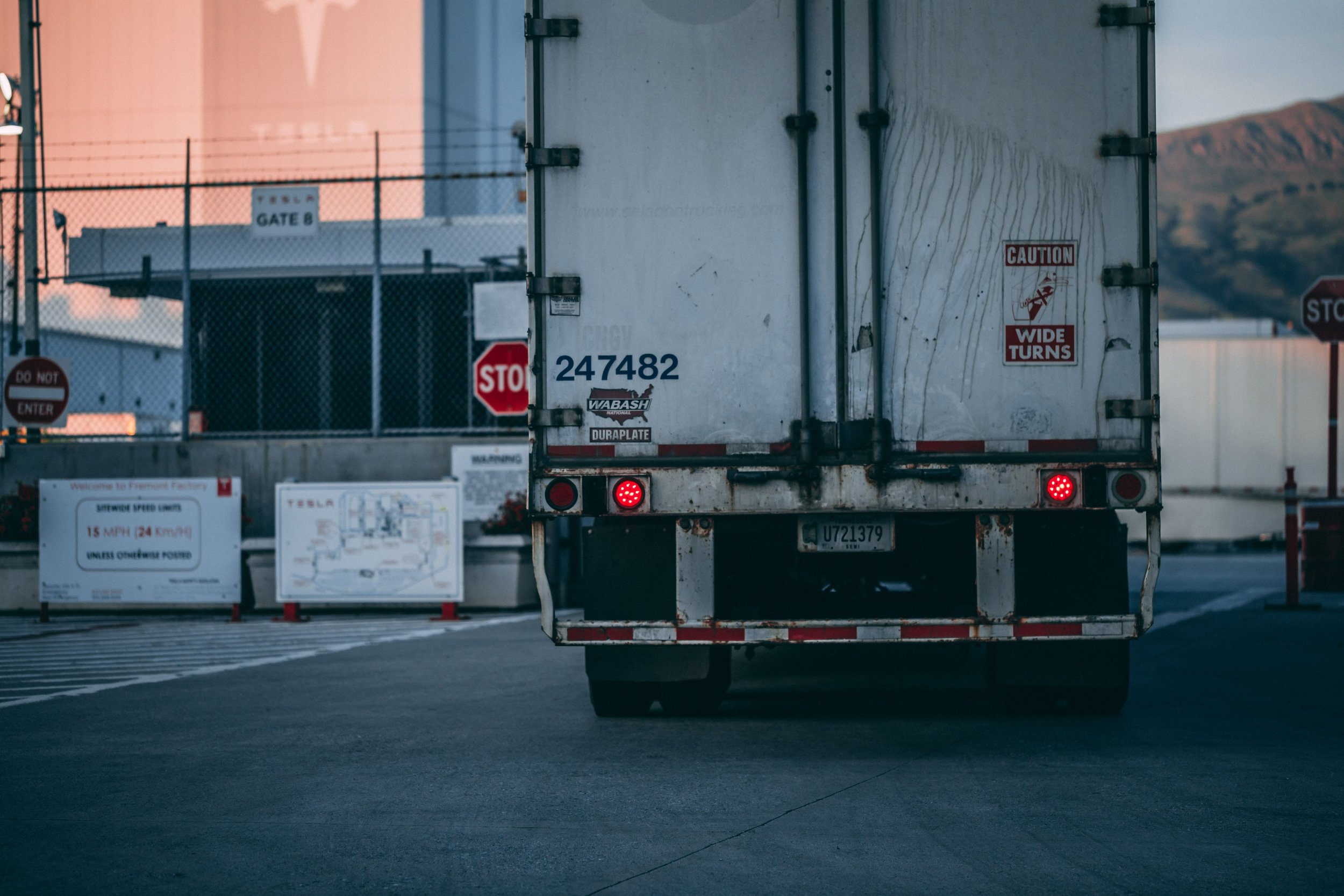
Trucks waiting at the gate mean detention fees (charges for keeping drivers waiting) and missed dock appointments. DICE live queue counts tell you when to open a second check-in lane, and give you a wait-time record if carriers dispute charges.
- Gate line alerts tell you to open a second check-in lane before detention fees start adding up
- Wait-time records by truck and time of day, ready if a carrier disputes charges
- Dock appointment scheduling guided by actual gate traffic data
Parking Facilities & Campuses
DICE measures entrance backups during peak arrival times, so you know whether the fix is opening another gate, speeding up validation or spreading out arrivals, and can prove the change worked afterward.
- Entrance line length measured continuously during peak arrival times
- Data shows whether the bottleneck is gate capacity, validation speed or traffic volume
- Before-and-after wait times show whether operational changes actually worked

How It Works
Queue management runs on the same monitored cameras that secure your site — operations intelligence during the day, security after hours. Live queue figures reach the people who can open a lane or adjust a signal right now, wait-time history feeds staffing and design decisions, and the identical cameras roll into DICE's 24/7 monitored protection when the queues go home for the night.
FAQs
-
The number of vehicles waiting in a line and the total waiting time, delivered in real time. Queue zones are configured per lane, so each lane reports independently.
-
No. The measurement is maintained when vehicles move intermittently, so a line that creeps forward is reported as a single continuous queue instead of resetting with every movement.
-
Yes. Because queue length and wait time are delivered in real time, thresholds can drive live notifications to your team — the point is acting on the queue while it's happening, not reading about it tomorrow.