

Vehicle Zone Presence
Set the zone. Set the dwell time. The camera reports occupancy — and alerts the moment a vehicle stops where it shouldn't, or a bay sits empty when it shouldn't.

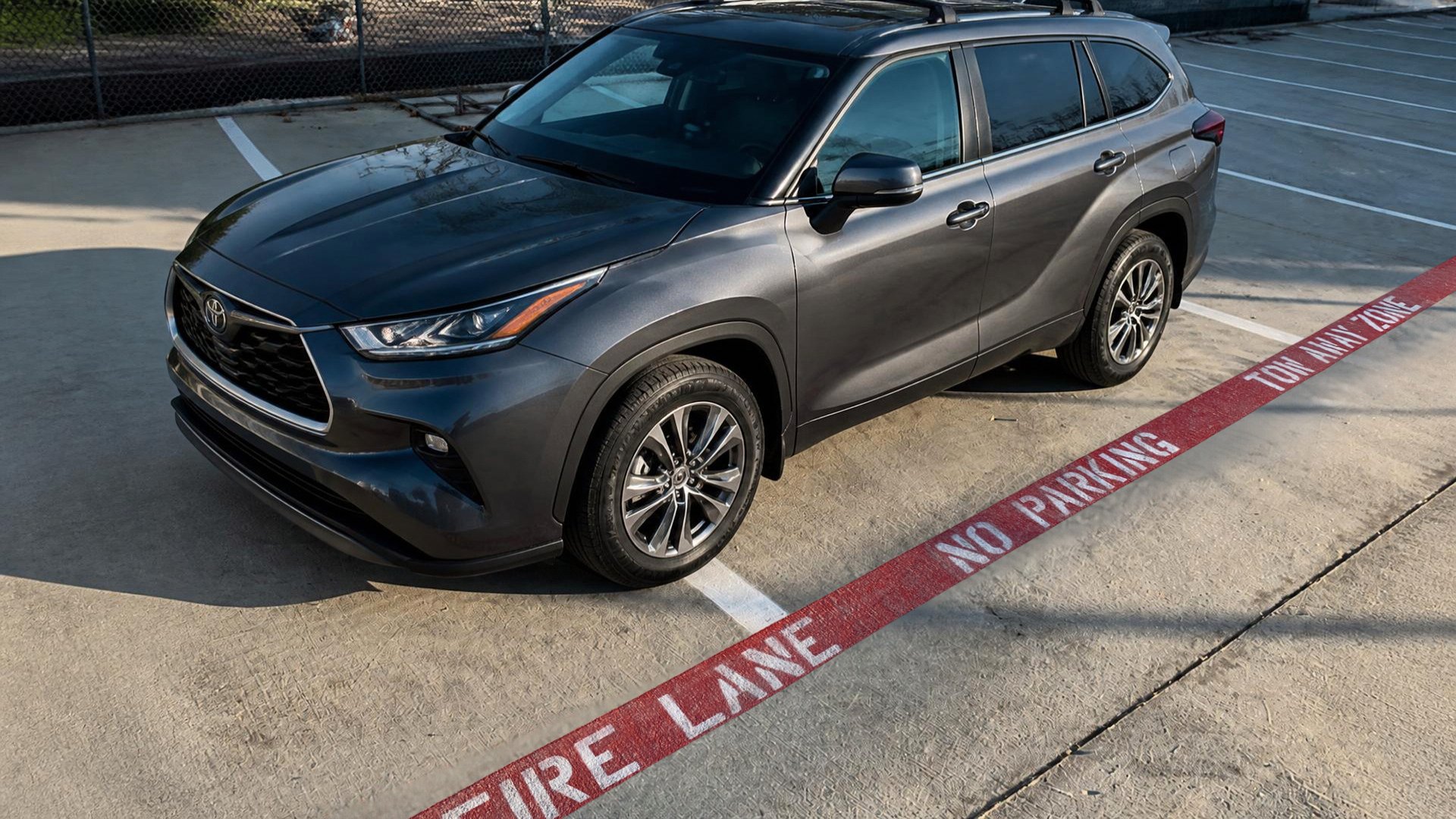
Some zones must stay clear. Some must not sit empty. Vehicle Zone Presence watches both — and tells you the moment a dock, fire lane, or reserved spot changes state.
What It Does
Vehicle Zone Presence monitors the status of zones you define based on whether a vehicle occupies them. You set the occupancy conditions — a stationary vehicle, a moving one, or either — and the system determines whether the zone meets them, turning a camera view into a live status board: dock 4 occupied, fire lane clear, reserved spot 12 taken. It works for the zones where presence itself is the event, whether the problem is a vehicle that shouldn't be there or a bay that's been empty too long.
The dwell time before a zone is treated as occupied is configurable, so a vehicle passing through doesn't change the reported state — only one that actually stops and stays does. That distinction is what makes the alerts trustworthy: the car cutting across the fire lane is ignored, the car parked in it is flagged. Each zone carries its own conditions, so loading bays, gate approaches, fire lanes, and individual parking spaces all run their own rules from the same cameras.
Who Uses It
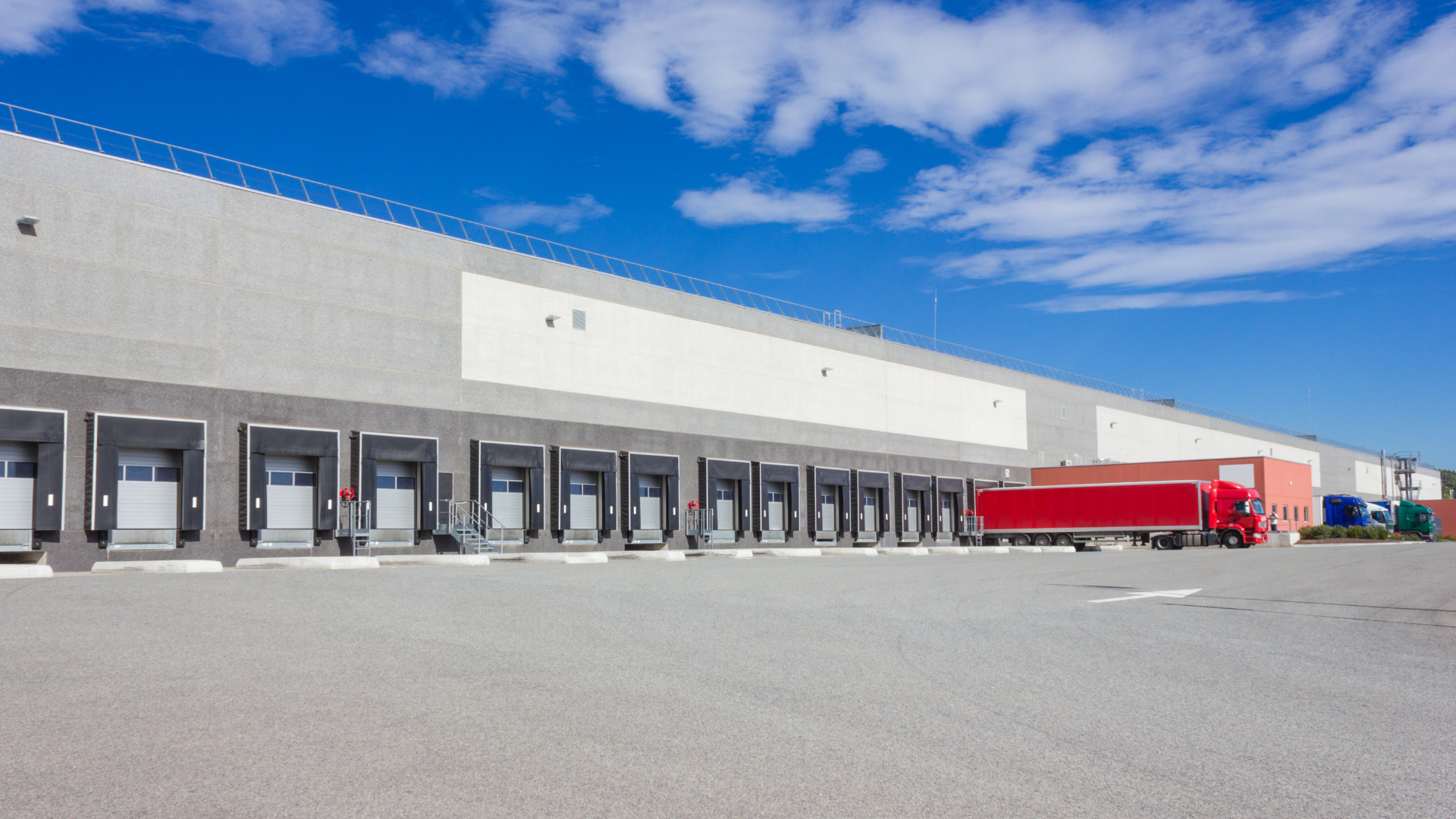
Logistics Yards & Distribution Centers
DICE gives you live dock door status without walking the yard. See which bays are occupied and which trailers have stayed past their scheduled time, and keep gate approaches from turning into makeshift parking.
- Live bay occupancy visible without sending someone to walk the yard
- Trailers that stay past their scheduled time flagged automatically so the yard team can act
- Gate approaches monitored to keep truck lanes clear for active traffic
Commercial Property & Facilities Managers
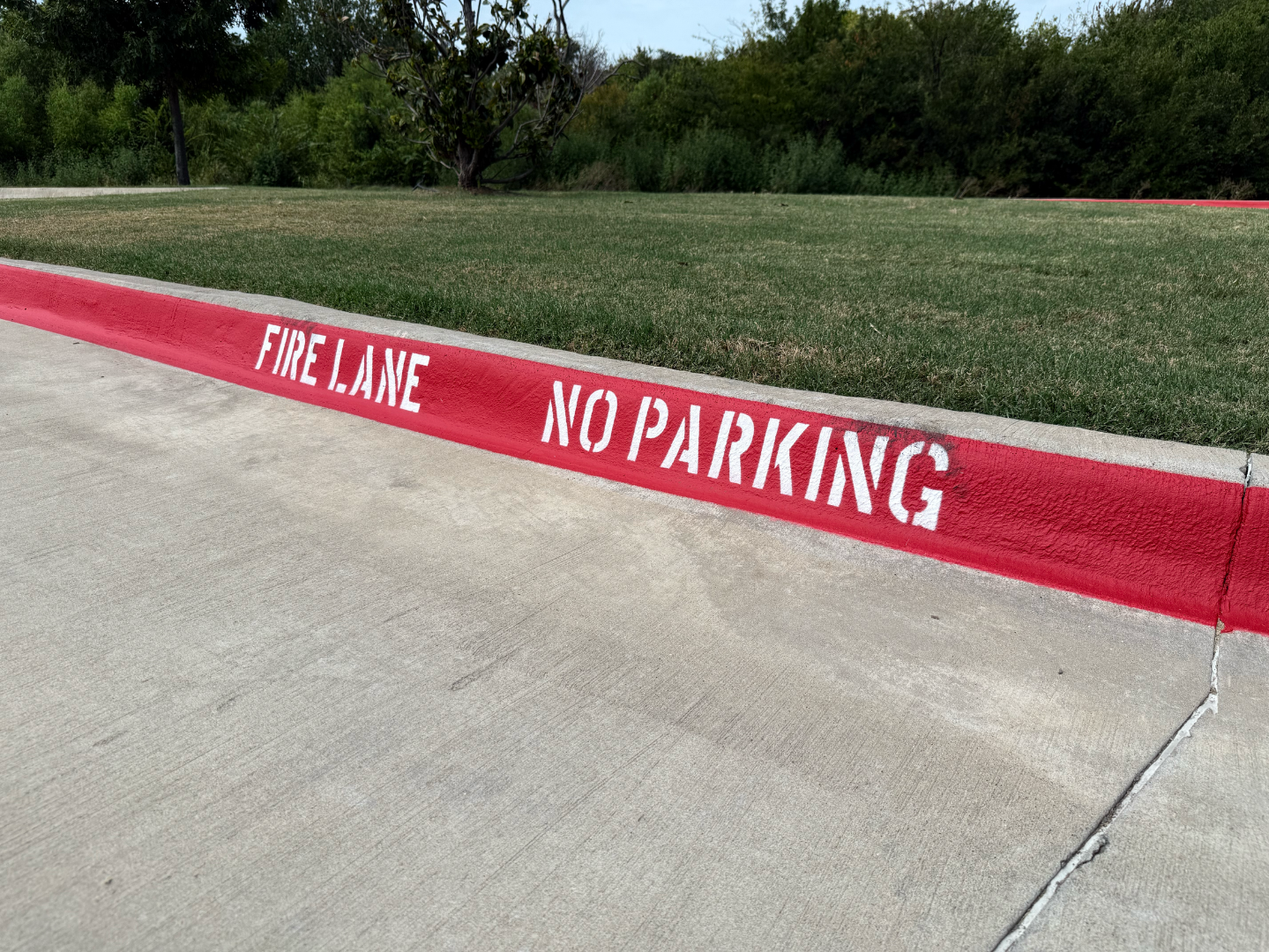
Cars parked in fire lanes are a code violation and a liability. DICE flags a parked vehicle once it's been there longer than the time you set, with video to back up towing or a citation.
- Fire lane violations flagged once a vehicle stays past your time limit, not found on a walkthrough
- A video clip attached to every alert, ready for towing authorization or citation records
- Loading zones and restricted areas monitored without dedicated staff on site
Parking Operators
DICE monitors reserved, accessible (ADA) and EV charging spaces for vehicles that don't belong, and confirms premium spots are available the way customers paid for.
- Reserved and accessible spaces monitored for unauthorized vehicles that stay past your time limit
- EV charging spots flagged when a vehicle that isn't charging stays past the time limit
- Premium space availability confirmed, so customers get what they paid for

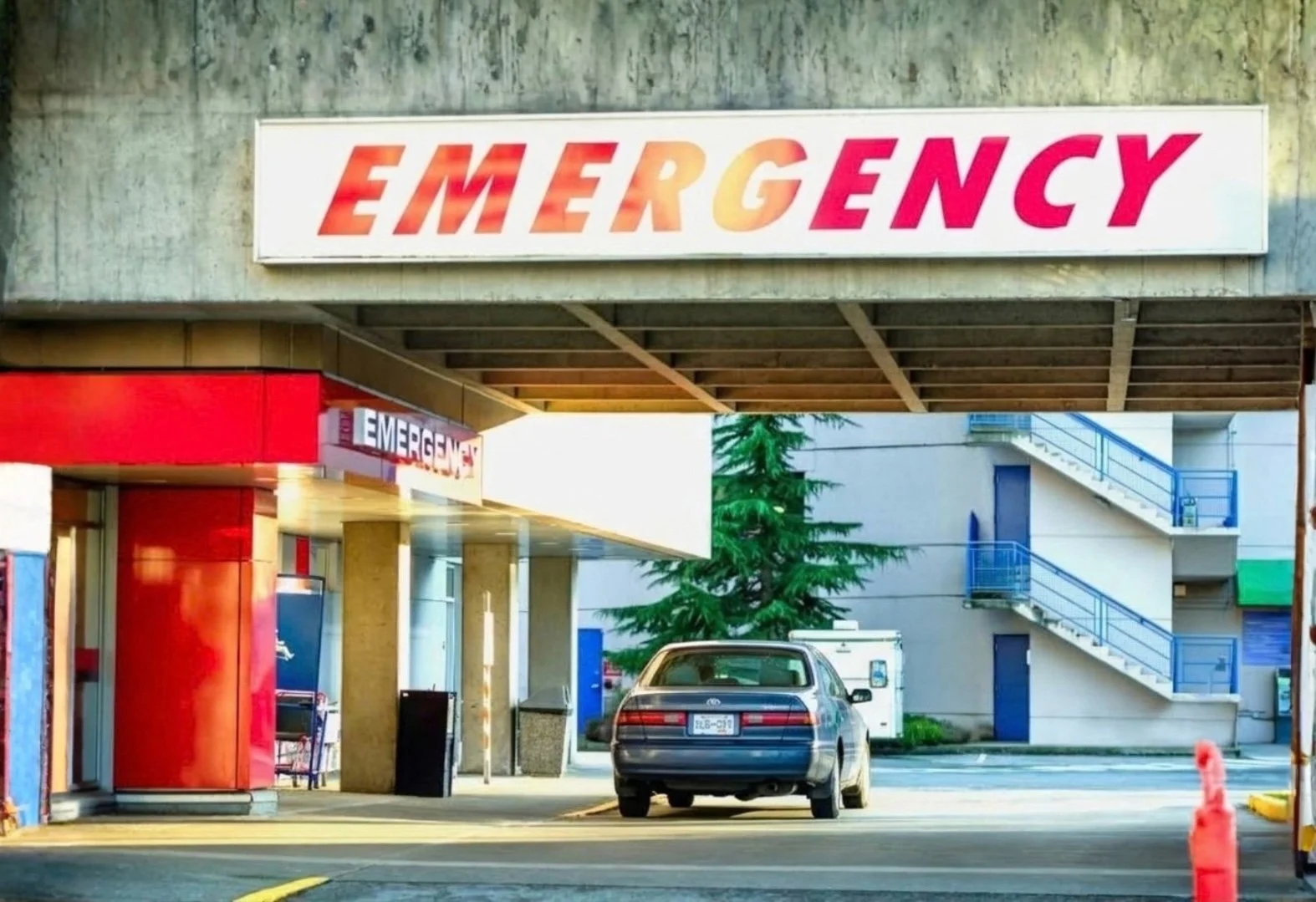
Healthcare Facilities & Campuses
Ambulance bays, emergency lanes and patient loading zones have to stay clear. With DICE, a vehicle that stops and stays triggers an alert, while drop-off traffic passes through without being flagged.
- Ambulance bays and emergency lanes monitored around the clock, not just on a guard's patrol schedule
- Time limits automatically tell the difference between a patient drop-off and unauthorized parking
- Alerts include live video, so staff can assess and respond without leaving the building

Auto Dealerships
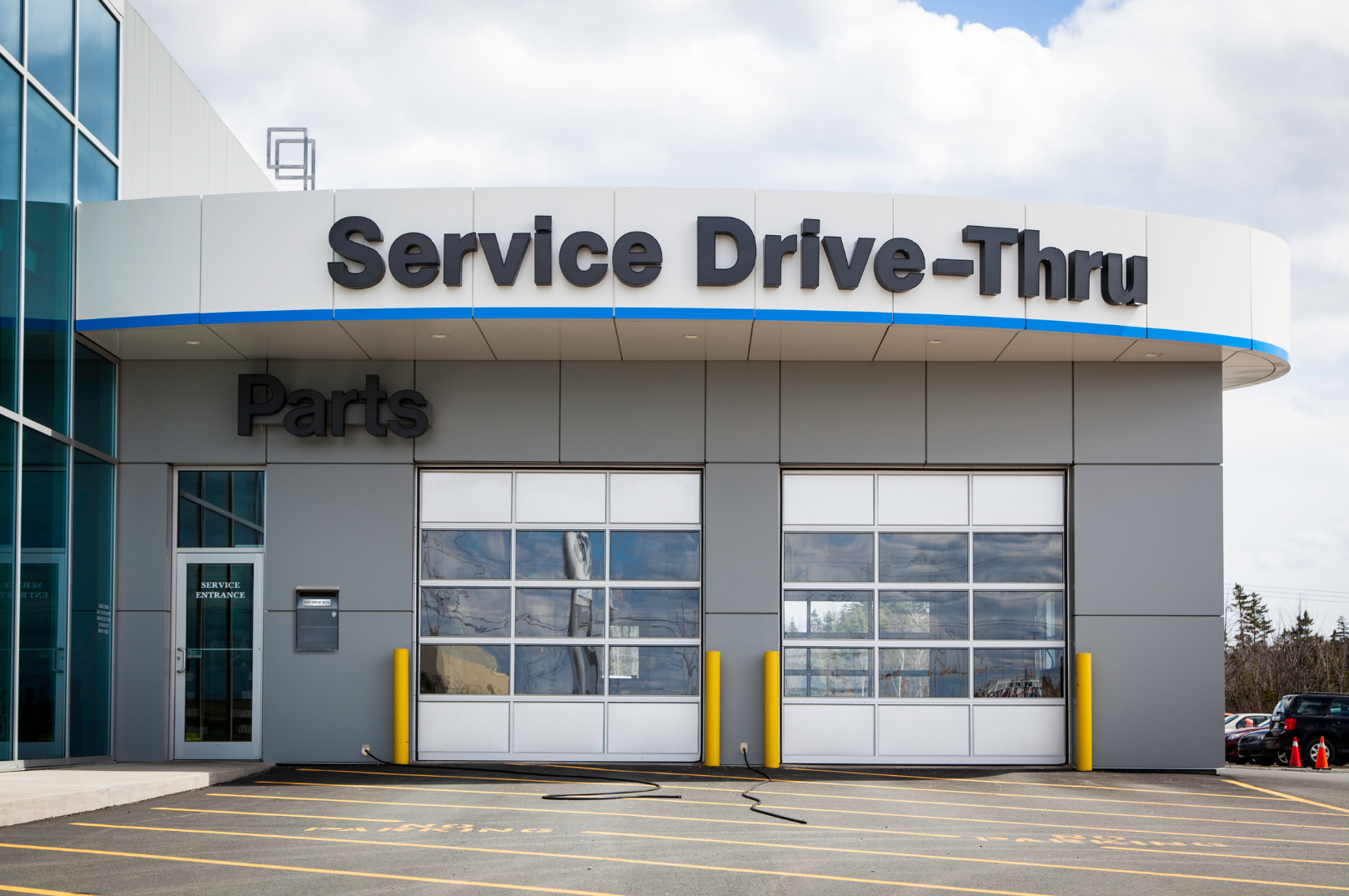
DICE lets you know when a vehicle parks in the service drive after hours, sits in the delivery staging area when a transport truck is on the way, or stays parked near your inventory.
- After-hours vehicles in service drives and staging areas flagged once they stay past your time limit
- Vehicles in the delivery zone flagged so it can be cleared before transport trucks arrive
- Parked vehicles near inventory monitored and flagged when they stay too long
How It Works
For safety-critical zones — fire lanes, emergency access, after-hours gate approaches — presence events stream to DICE's 24/7 monitoring operators, who assess the live video, issue a live audio voice-down asking the driver to move, and escalate to your staff or enforcement when the vehicle stays put. For operational zones like docks and reserved spaces, the same events flow to your team as live status and history — same cameras, security after hours and intelligence during the day.
FAQs
-
No. The dwell time before a zone is treated as occupied is configurable, so vehicles passing through don't change the reported state — only a vehicle that stops and stays does.
-
Yes. Occupancy conditions such as moving or stationary vehicles can be defined per zone, so a fire lane can flag parked cars specifically while ignoring passing traffic.
-
Yes. Each zone is defined with its own occupancy conditions and dwell settings, so a single view can cover a loading bay, an adjacent fire lane, and reserved spaces — each with its own rule.