
Work Vehicle Hazard Detection
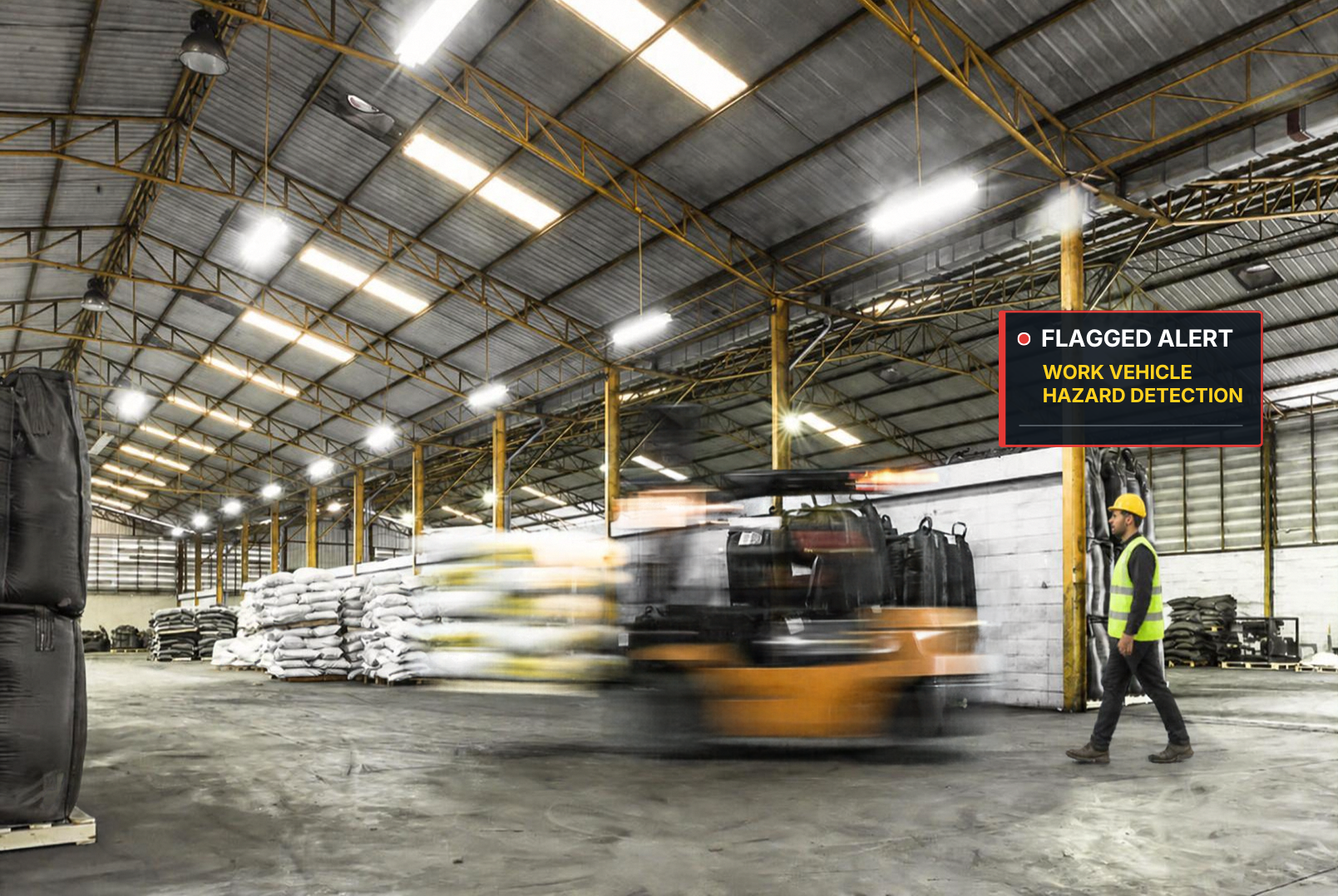
Most safety systems see a person and a vehicle separately. This one sees the hazard — the two of them in the same zone, at the same time.

A person in a zone is normal. A vehicle in a zone is normal. Both at once, with the vehicle moving — that's a hazard forming in real time, and DICE recognizes it as one.
What It Does
Work Vehicle Hazard Detection monitors the condition of areas you define based on whether work vehicles and personnel are present — and, critically, recognizes hazardous combinations rather than isolated detections. You define what constitutes a hazard for each area, such as a person on foot entering while a work vehicle is moving, and the system flags that situation the moment it arises, as a single meaningful event instead of two unrelated ones.
Zones, target types, and the conditions that constitute a hazard are all configurable per site, so the rule matches how each area is actually worked: a yard where vehicles and people are never supposed to mix, a staging zone where they may coexist only when vehicles are stationary, a crossing where movement is the trigger. This is condition-based monitoring — the system understands the state of the work area, not just what's in the frame.
Who Uses It
Logistics Yards & Terminals
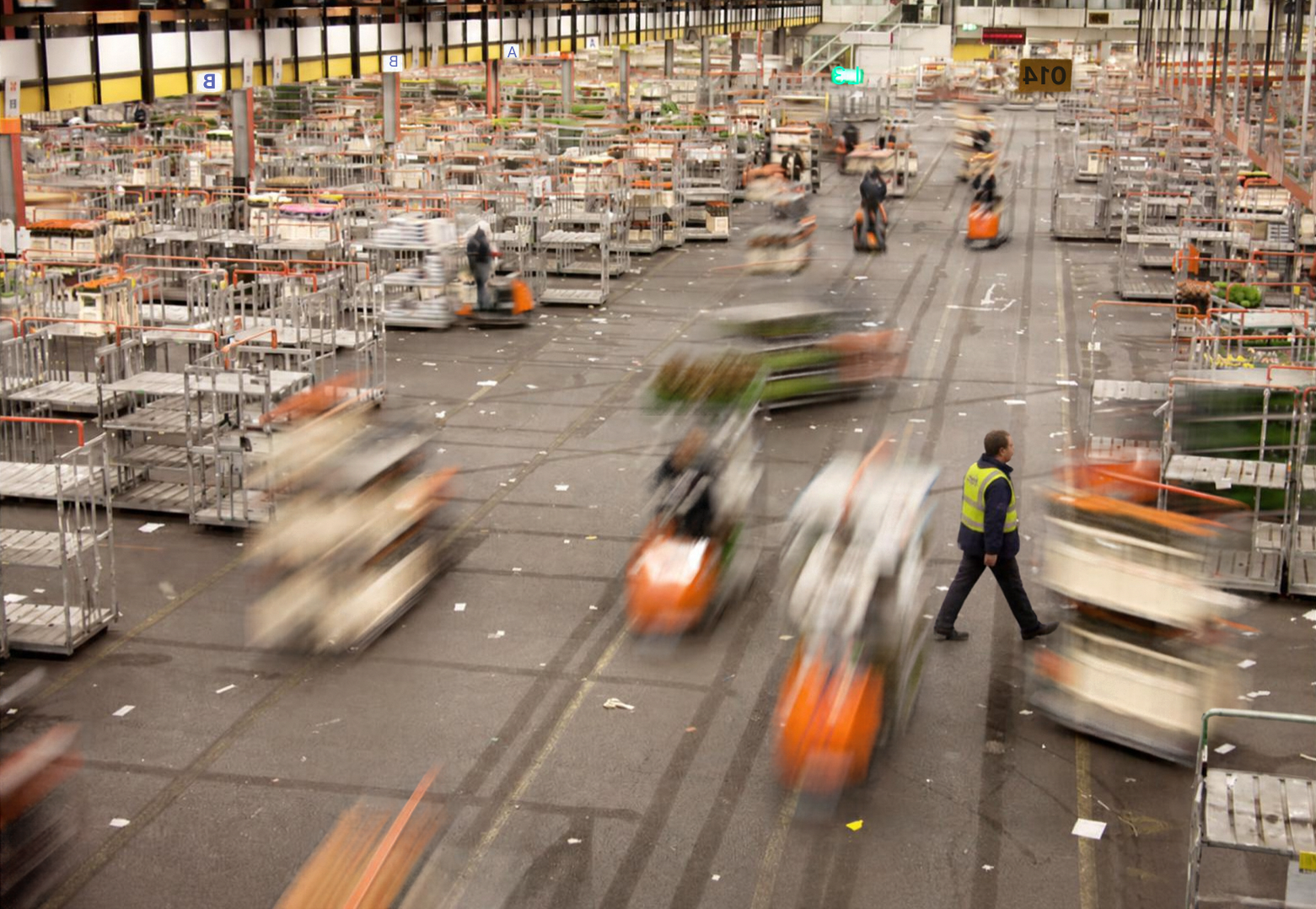
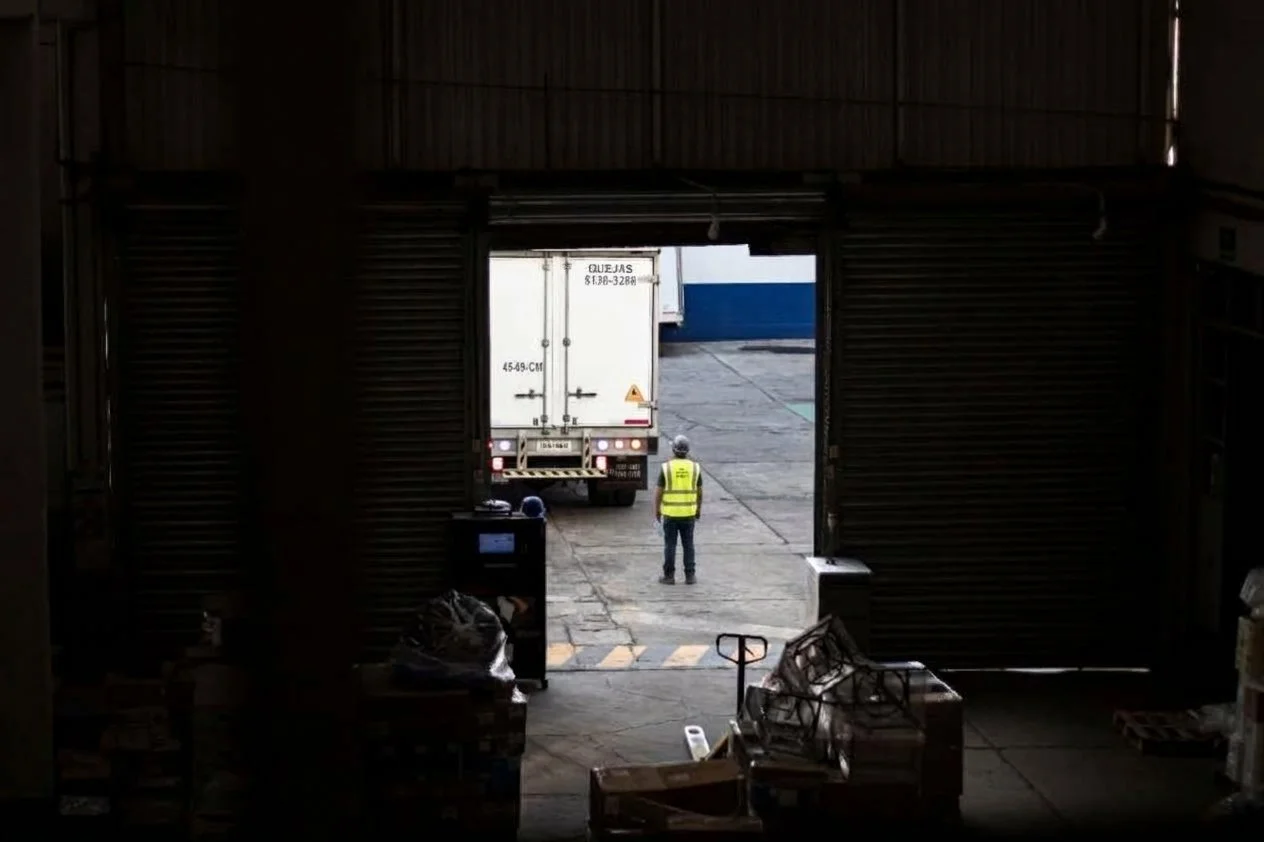
Yard trucks, hostlers and workers on foot cross paths hundreds of times a day. DICE alerts on the near-miss pattern, a moving vehicle and a person on foot in the same zone, before it turns into an incident report.
- Alerts on the dangerous combination of a moving vehicle and a person on foot, not on either one alone
- Covers the whole yard, including corners and blind spots no spotter can watch all shift
- Every near miss logged with video, building an early-warning record automatically, shift after shift
Manufacturing Plants
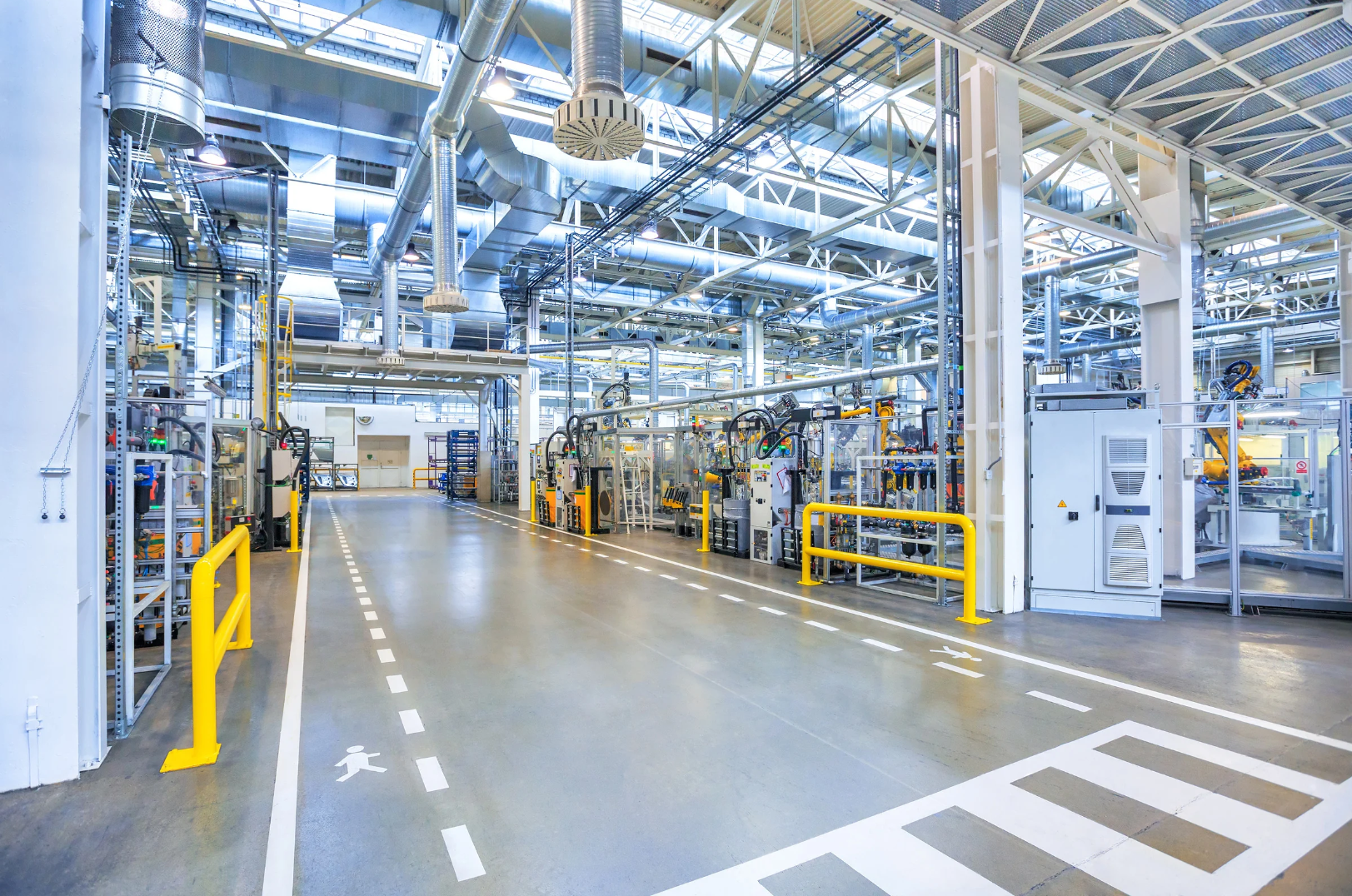
With DICE, you define what counts as dangerous around loading areas and internal transport routes, so the floor is monitored for the situations your job safety analysis already flags as high-risk.
- Hazard rules matched to your job safety analysis, so the system enforces the risks you've already identified
- Continuous monitoring of loading areas and internal transport routes, including nights and weekends
- Parked-vehicle rules set for each zone, so a staging area can allow people when equipment is stopped
Construction Sites
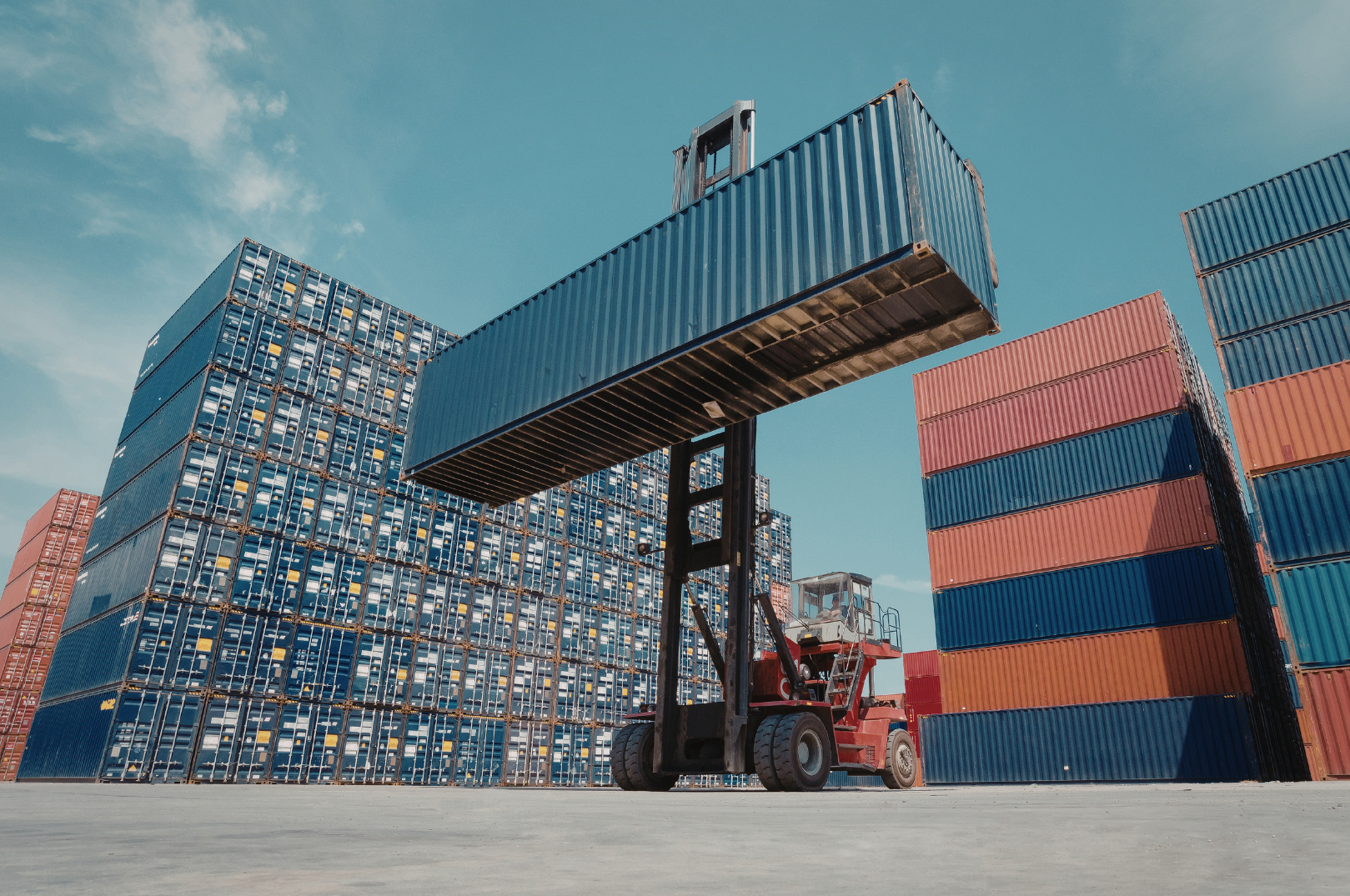
Loaders, telehandlers and dump trucks work around crews all day. DICE recognizes the moment the safe distance between equipment and people breaks down, as it's happening.
- Unsafe situations caught in real time, with an alert while the hazard is forming, not after the equipment has passed
- Zone boundaries updated in the software as the site layout changes, with no barriers to move or reinstall
- Covers the hours between safety meetings when no safety rep is walking the active equipment areas

Warehouses & Distribution Centers
Loading dock aprons and trailer yards are where many struck-by incidents happen. DICE automated hazard monitoring covers the outdoor areas that indoor-focused safety programs miss.
- Dock aprons and trailer yards monitored as closely as the warehouse floor inside
- Flags backing trucks and people on foot in the same zone, the exact situation indoor detection can't see
- Busy periods and shift changes covered when vehicles and foot traffic overlap the most

Safety & Risk Managers
DICE captures every dangerous situation with video and a timestamp, creating a live near-miss log that turns your early-warning program from self-reported stories into measured data.
- Every near miss captured with video and a timestamp, with objective data instead of self-reported logs
- Early-warning trends by zone, shift and vehicle type, so training is guided by data
- A documented enforcement record to support OSHA compliance, insurance and incident investigations

How It Works
When a dangerous situation develops, like a person on foot walking in while a vehicle is moving or any other combination your site defines, DICE sends the alert in real time. Supervisors are notified immediately, and a live DICE monitoring operator can issue an audio talk-down to the workers and driver through on-site speakers while it’s still a near miss. Every event is recorded with video, giving your safety team an objective record of dangerous situations and how they were handled.
FAQs
-
Separate detections tell you a person exists and a vehicle exists. This service recognizes the risk as a combination — for example, a person on foot entering while a work vehicle is moving — so alerts represent an actual hazardous situation, not routine presence.
-
Yes. Zones, target types, and the conditions that constitute a hazard are configured per site, so a crossing, a staging area, and a vehicle-only lane can each carry rules that match how that space is really worked.
-
No — it enforces them. Your traffic management plan defines the rules; Work Vehicle Hazard Detection watches every monitored zone for violations of those rules continuously, including the hours and corners no spotter covers.